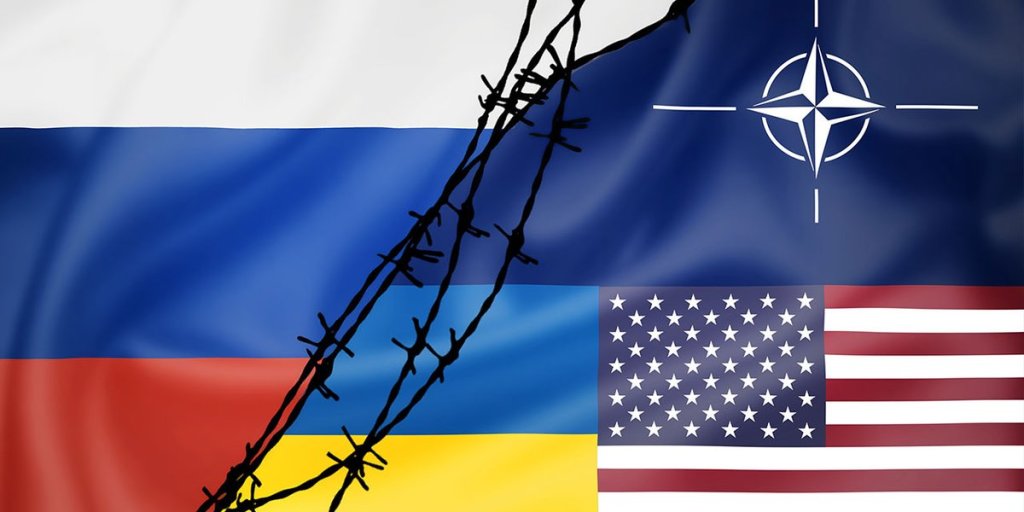
When most people think of war, they picture armies clashing head-on, nations declaring hostilities, and clear lines of conflict. But in the 21st century, the most consequential wars are rarely fought directly. Instead, they unfold through proxy wars — conflicts where powerful states back local actors, militias, or governments to advance their own agendas without openly engaging.
Proxy wars are not new, but they have evolved. From Cold War standoffs to today’s fragmented battlegrounds in the Middle East, Africa, and Eastern Europe, they remain the preferred tool of great powers to test strength, shape regions, and undermine rivals — all while maintaining plausible deniability.
What Exactly Is a Proxy War?
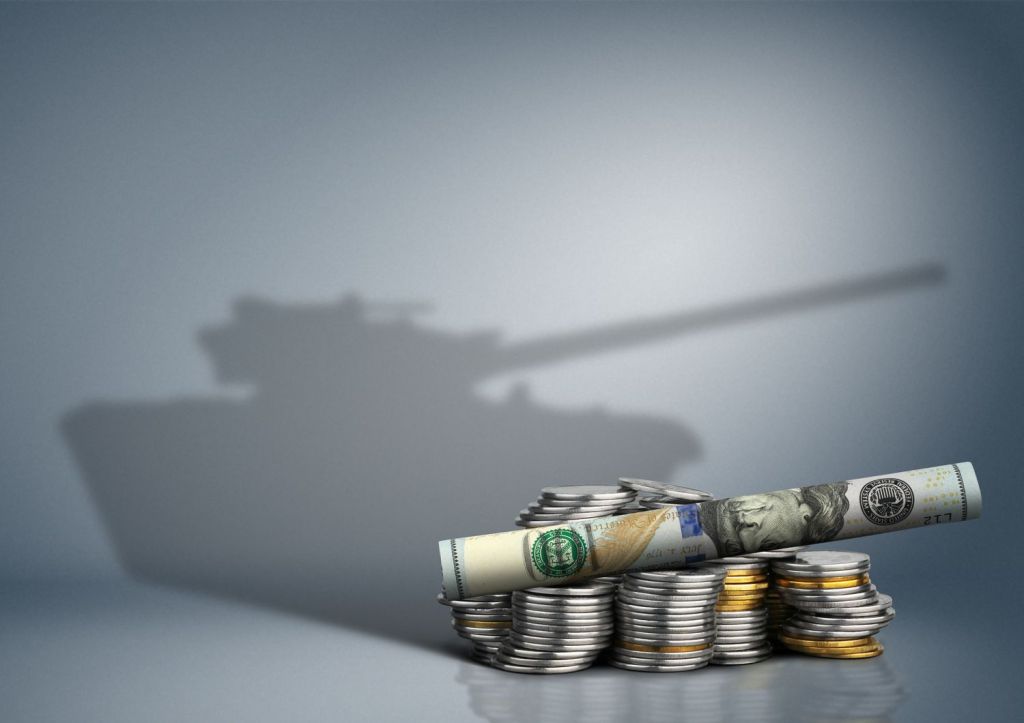
At its core, a proxy war is a conflict in which external powers provide support — arms, training, funding, intelligence — to local actors, rather than deploying their own armies directly. These wars are attractive because they:
- Reduce direct political risk.
- Keep costs lower than deploying full militaries.
- Provide a testing ground for new weapons and strategies.
- Allow states to weaken adversaries indirectly.
Yet, the true cost of proxy wars is almost always borne by the local populations, who face protracted instability, humanitarian disasters, and economic collapse.
The Cold War Playbook
During the Cold War, proxy wars became the default mode of great power competition:
- Vietnam (1955–1975): A classic proxy clash, where the US fought to contain communism while the USSR and China supported North Vietnam.
- Afghanistan (1979–1989): The CIA funneled weapons to Afghan mujahideen to counter the Soviet invasion. Moscow eventually withdrew — a Soviet defeat that hastened the USSR’s collapse.
- Middle East Rivalries: The Arab-Israeli wars, Egypt-Soviet ties, and US backing of Israel all reflected proxy dynamics in a hotly contested region.
Lesson: Proxy wars were a way to fight without triggering a world war. The battlefield was shifted onto weaker states, whose sovereignty was often reduced to a pawn in the larger game.
Modern Proxy Wars — A Crowded Chessboard
Today, proxy wars are more complex. They are no longer simply US vs. Russia. Instead, multiple actors — regional powers, private armies, even cyber groups — compete in overlapping battlefields.
Examples include:
- Ukraine (2022–ongoing): While Russia invaded directly, Western powers have turned Ukraine into a proxy theater by providing arms, intelligence, and financial support.
- Yemen: A humanitarian catastrophe fueled by Saudi Arabia and Iran, backing opposite sides of a civil war.
- Syria: Perhaps the quintessential modern proxy war, with Russia, Iran, Turkey, the US, and Gulf states backing different factions.
- Libya: Turkey, Russia, and the UAE funneled weapons and mercenaries into rival governments.
- Africa’s Sahel: Russia’s Wagner Group and Western special forces vying for influence through fragile regimes in Mali, Burkina Faso, and Niger.
In these conflicts, the line between state and non-state actors is blurred — with militias, mercenaries, and hackers all acting as “proxies” in the shadows of great powers.
Why Proxy Wars Persist
From a strategic perspective, proxy wars are appealing because they:
- Lower Costs – Cheaper than sending divisions of soldiers.
- Provide Plausible Deniability – Powers can deny direct involvement when things go wrong.
- Extend Influence – States can entrench long-term control through client groups.
- Serve as Test Beds – Conflicts like Syria became live laboratories for drones, electronic warfare, and urban combat doctrines.
But there’s a dark side:
- Proxy wars drag on for years or decades, with no clear winners.
- Civilians bear the brunt through famine, mass displacement, and shattered infrastructure.
- Powers often lose control of their proxies — the Taliban being the most famous example, outgrowing their American and Saudi backers in the 1980s.
The Future of Proxy Warfare
The next generation of proxy wars will be even harder to define and contain. Expect to see:
- AI & Drone Proxies: Yemen’s Houthi rebels already deploy cheap drones against Saudi infrastructure. Future proxies will use AI-driven swarms and loitering munitions.
- Cyber Proxies: Hacktivist groups like Russia’s Killnet blur the line between state-sanctioned and “rogue” actors, carrying out digital sabotage on behalf of patrons.
- Private Military 2.0: After Wagner, we may see new corporate mercenary groups funded by states and oligarchs, offering deniability while expanding influence.
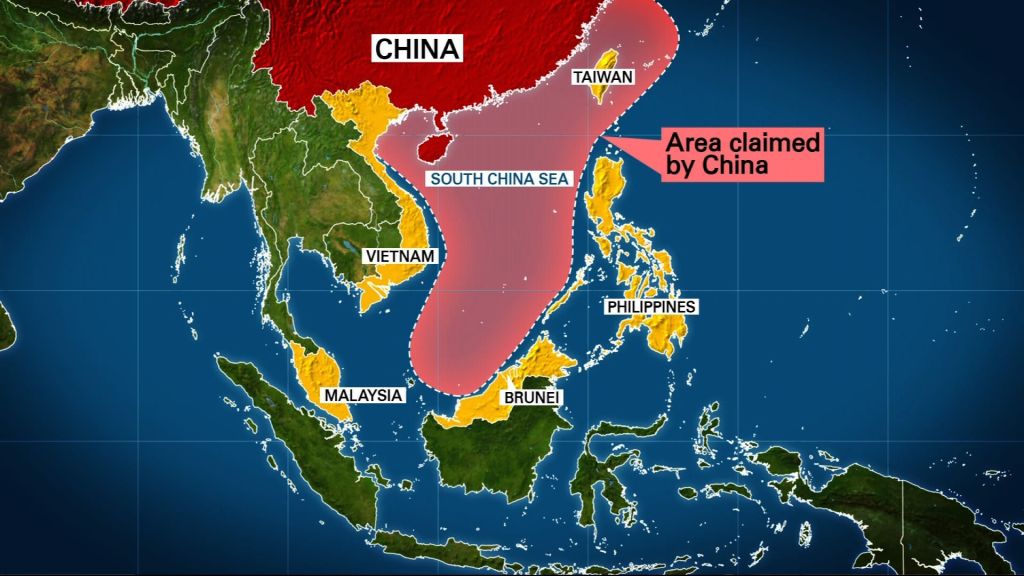
- US–China Rivalries: Africa, Southeast Asia, and the Pacific could become the new arenas where Washington and Beijing test each other through third parties.
Strategic Takeaways
For analysts, policymakers, and observers, understanding proxy wars requires:
- Watching fragile states: Nations with ethnic, religious, or political divides are prime targets.
- Following the money and arms flow: Whoever controls supply chains controls the war.
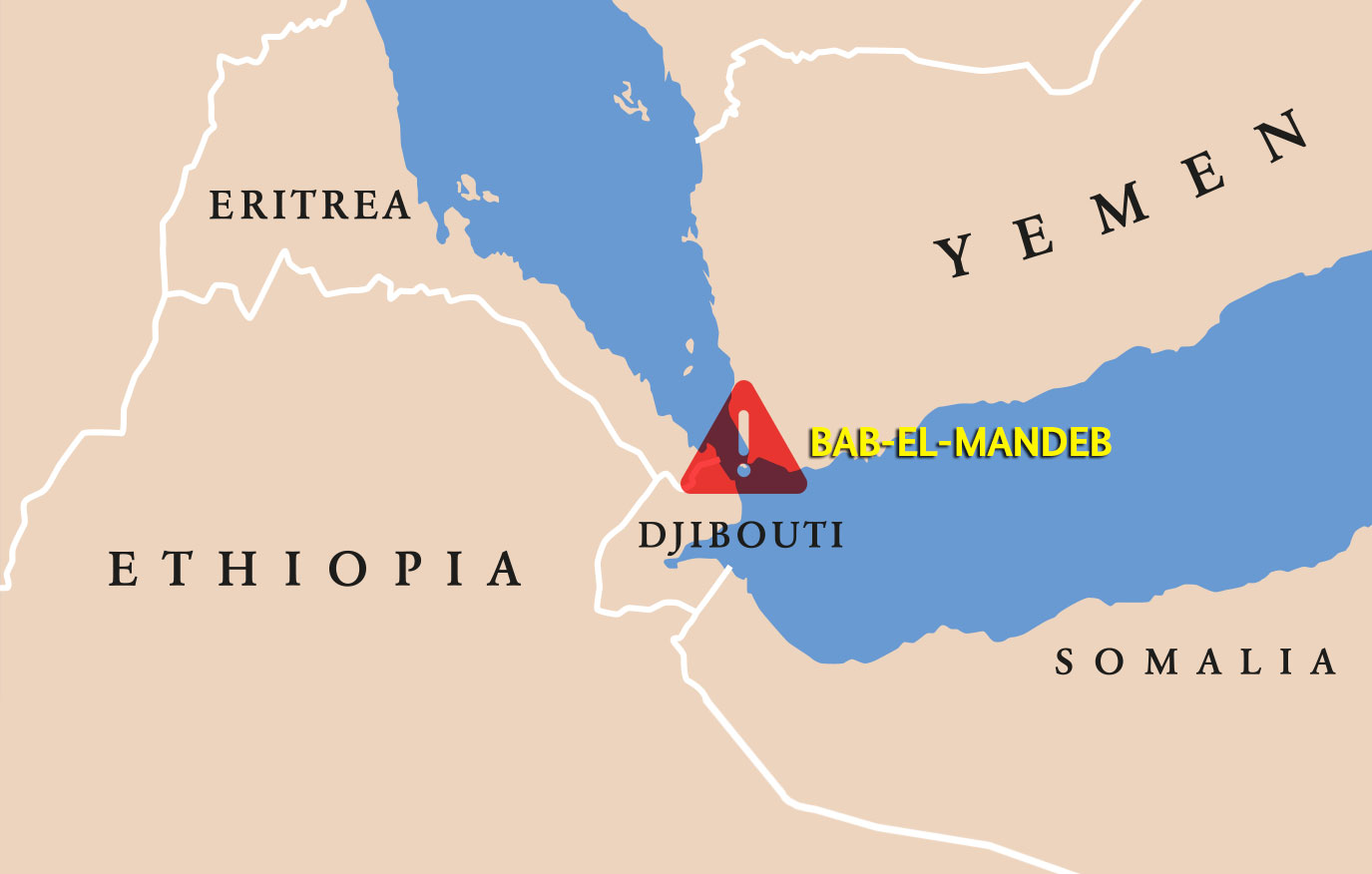
- Identifying chokepoints: Ports, pipelines, and rare earth mines often dictate where proxy conflicts erupt.
Proxy wars will remain the invisible frontlines of global competition — simmering conflicts that never quite explode into world wars, but reshape geopolitics one battlefield at a time.










 Vellum Insights