I. Why Food is Becoming a Military Asset
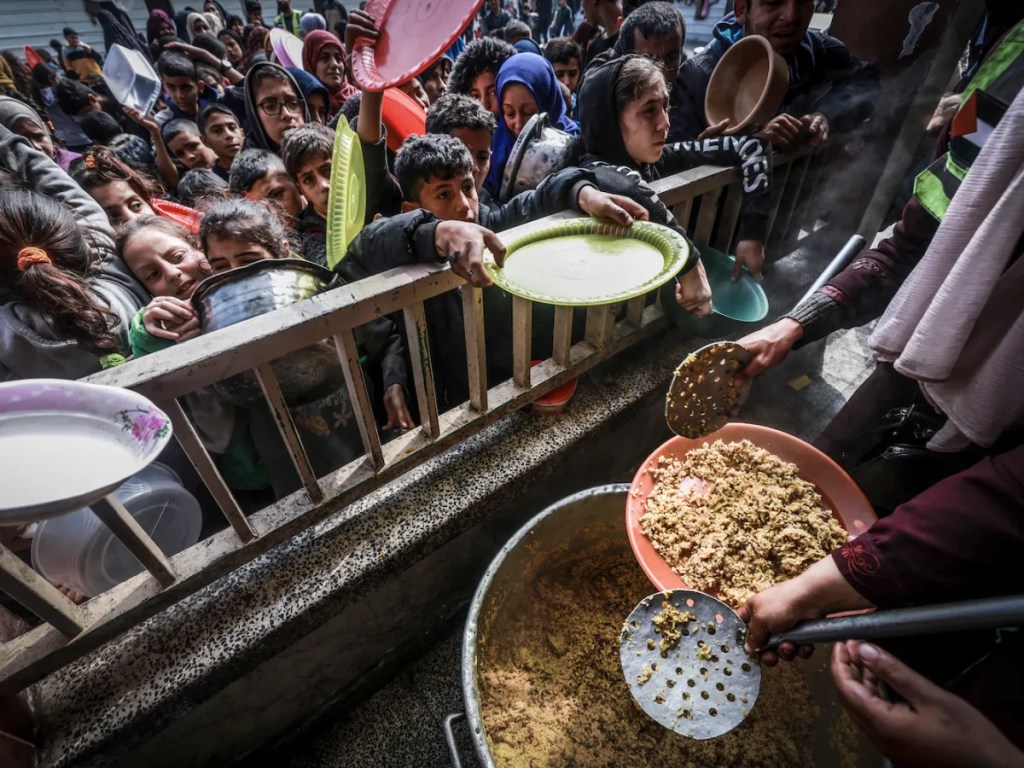
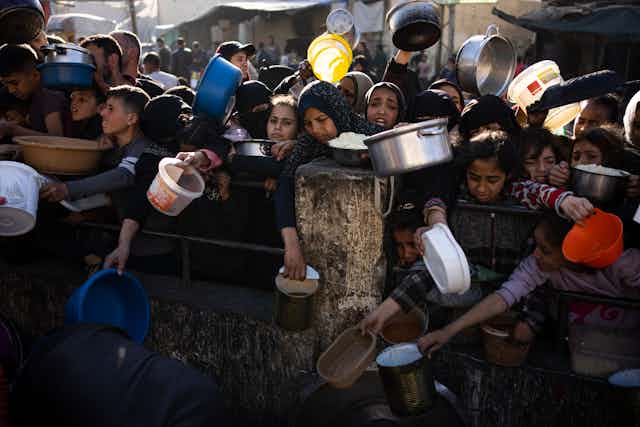
For centuries, armies have “marched on their stomachs,” but in 2025, food isn’t just about sustaining troops — it’s about controlling entire populations and economies.
Modern states have learned that starvation can be as effective as bullets in breaking resistance.
Control the food supply, and you can:
- Force political concessions
- Collapse economies without firing a shot
- Secure long-term dependency
II. The Global Chokepoints of Food Supply
1. Russia’s Grain Leverage

- Russia and Ukraine together supply nearly 30% of global wheat exports
- During the Ukraine war, Russia blocked Black Sea grain shipments, causing price spikes in Africa and the Middle East
- Moscow used “grain diplomacy” to reward allies and punish critics
2. China’s Farmland Empire
- China has been buying or leasing farmland abroad — from Africa to South America
- Secures long-term food security while leaving local populations dependent on Chinese-controlled supply chains
3. U.S. and Allied Sanctions on Agricultural Inputs
- Western states can restrict fertilizer, seed, and agrochemical exports to pressure adversaries
- Targeting upstream inputs can cripple crop yields for multiple seasons
III. How Food is Weaponized in Modern Geopolitics
1. Export Bans and Embargoes
- Limiting critical grain, rice, or soybean exports to create shortages
- Example: India’s temporary wheat export ban in 2022 caused ripple effects across Asia
2. Fertilizer Warfare
- Restricting nitrogen, phosphorus, and potassium exports can cause multi-year food production crises
- Russia and Belarus control large parts of the world’s potash supply
3. Control of Seed Genetics
- Countries can withhold high-yield GMO or hybrid seeds
- Owning the intellectual property for climate-resilient crops can give leverage over food-insecure nations
4. Supply Chain Disruption
- Naval blockades, port seizures, and targeted cyberattacks on agricultural logistics networks
IV. Strategic Risks of Food Weaponization
- Humanitarian Backlash: Mass famine can trigger international condemnation — but often too late
- Migration Crises: Food shortages fuel refugee flows, destabilizing entire regions
- Shadow Markets: Blockades and shortages create black-market economies that empower criminal networks
V. Strategic Recommendations for Nations
- Food Stockpile Diplomacy
- Build large emergency reserves to both feed your population and use as a diplomatic tool
- Diversify Agricultural Imports
- Reduce dependence on single suppliers for staple foods and fertilizers
- Invest in Climate-Resilient Agriculture
- Develop drought-resistant crops and vertical farming to reduce vulnerability
- Agro-Intelligence Networks
- Monitor global crop conditions, planting patterns, and shipping flows for early warning of shortages
VI. The Future: Agricultural Warfare 2035
Expect to see:
- Geo-Agro Alliances — food-exporting nations forming strategic blocs
- Seed Vault Militarization — securing genetic seed banks as national assets
- AI Crop Prediction Warfare — using AI to manipulate futures markets and destabilize economies





![ANALYSIS] TCG Anadolu: the most powerful warship and the flagship of the Turkish Navy - Turkish Minute](https://www.turkishminute.com/wp-content/uploads/2022/12/tcg-anadolu.jpg)





 Vellum Insights