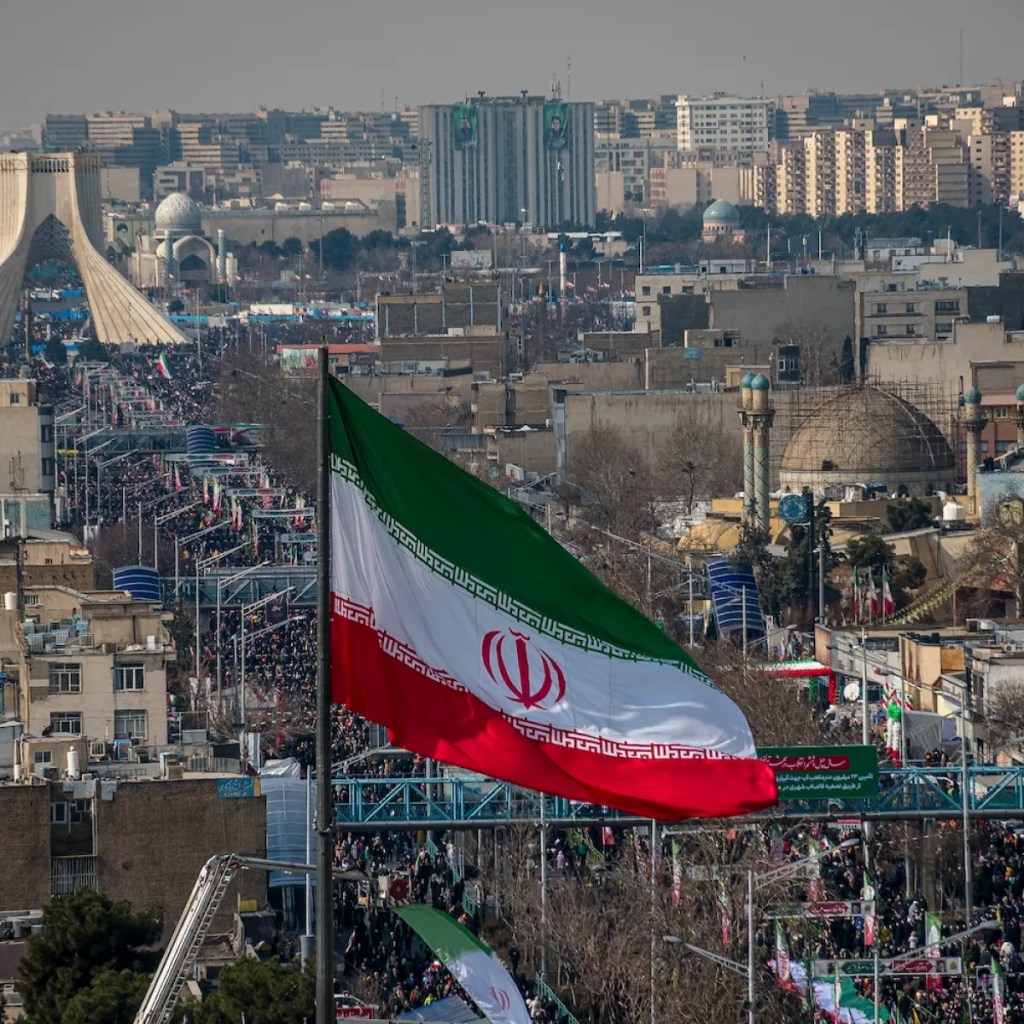
How a Web of Armed Groups Became One of the Most Powerful Forces in Modern Geopolitics
Introduction: The Shadow Alliance Changing Middle East Warfare
Across the Middle East, a loose network of militias, political movements, and armed groups has become one of the most powerful forces shaping modern conflicts.
This network is commonly called the “Axis of Resistance.”
Led primarily by Iran, the alliance links militant groups across several countries, including Lebanon, Iraq, Syria, Yemen, and Gaza Strip.
Many of these groups operate independently in their own countries, but they share common goals:
- opposing Israel
- resisting the influence of the United States in the Middle East
- expanding Iran’s regional influence
Over decades, this network has transformed from a small group of militias into a powerful geopolitical alliance.
Today, the Axis of Resistance influences wars across the region—from Lebanon and Gaza to Iraq, Syria, and Yemen.
Understanding how this network works is key to understanding modern Middle Eastern conflicts.
Chapter 1: The Origins of the Axis of Resistance
The roots of the Axis of Resistance trace back to the Iranian Revolution in 1979.
After the revolution, Iran’s new leadership sought to export its revolutionary ideology and challenge Western influence in the Middle East.
One of Iran’s most important early allies emerged in the early 1980s.
During the 1982 Israeli invasion of Lebanon, Iran helped create a powerful militia called Hezbollah.
Hezbollah quickly became one of the strongest non-state military groups in the world.
Over time, Iran expanded its strategy by supporting similar movements across the region.
These alliances eventually formed the foundation of what became known as the Axis of Resistance.
Chapter 2: The Architect Behind the Network
The central organizer behind this network was the Islamic Revolutionary Guard Corps, especially its foreign operations unit known as the Quds Force.
This elite branch of Iran’s military was responsible for building alliances with militias across the Middle East.
One key figure was Qasem Soleimani, the longtime commander of the Quds Force.
Soleimani spent years coordinating military operations and strengthening connections between allied groups.
His strategy focused on building local militias that could fight wars without requiring Iran to deploy large numbers of its own troops.
This model allowed Iran to expand its influence across the region while avoiding direct confrontation with powerful adversaries.
Chapter 3: The Core Members of the Axis
The Axis of Resistance is not a formal military alliance like NATO.
Instead, it is a loose network of groups that cooperate strategically while maintaining their own leadership and goals.
Some of the most important members include:
Hezbollah (Lebanon)
The most powerful member of the axis is Hezbollah, based in Lebanon.
Over decades, the group has built a massive arsenal that analysts estimate includes more than 100,000 rockets and missiles, making it one of the most heavily armed non-state actors in the world.
Hezbollah also provides training and expertise to other allied groups across the region.
Hamas and Palestinian Islamic Jihad (Gaza)
In the Gaza Strip, groups such as Hamas and Palestinian Islamic Jihad form part of the network.
These groups primarily focus on conflict with Israel but have received weapons, funding, and training from Iran and its allies.
Iraqi Militias
Several powerful militias in Iraq also form part of the axis.
These include groups such as:
- Kata’ib Hezbollah
- Harakat Hezbollah al-Nujaba
Many of these militias operate under the umbrella of Iraq’s Popular Mobilization Forces.
These groups have played major roles in fighting ISIS while also conducting attacks on U.S. forces in the region.
The Houthi Movement (Yemen)
In Yemen, the Houthi movement has become another key member of the axis.
Originally a local insurgent group, the Houthis gained international attention during the Yemeni Civil War.
The group has developed missile and drone capabilities capable of striking targets hundreds of kilometers away.
Chapter 4: The “Land Bridge” Strategy
One of Iran’s long-term strategic goals has been to create a land corridor stretching from Iran to the Mediterranean Sea.
This corridor passes through:
- Iran
- Iraq
- Syria
- Lebanon
Control of this route allows weapons, fighters, and equipment to move across the region.
For example:
- weapons can travel from Iran into Iraq
- then through Syria
- and finally into Lebanon to supply Hezbollah
This geographic network greatly expands Iran’s ability to influence conflicts across the Middle East.
Chapter 5: How the Axis Fights Wars
Unlike traditional armies, the Axis of Resistance relies heavily on asymmetric warfare.
Instead of large conventional battles, the network uses tactics such as:
- rocket attacks
- drone strikes
- guerrilla warfare
- cyber operations
These tactics allow smaller groups to challenge more powerful militaries.
For example:
- Hezbollah has used rocket barrages to deter Israeli military action.
- Iraqi militias have launched attacks on U.S. military bases.
- Houthi forces have targeted shipping in the Red Sea.
Because these attacks can occur across multiple countries simultaneously, they create complex security challenges for regional powers.
Chapter 6: The Strategic Advantages for Iran
The Axis of Resistance provides several strategic advantages for Iran.
Strategic Depth
By building alliances across multiple countries, Iran pushes potential battlefields far away from its own borders.
Deterrence
If Iran itself were attacked, allied militias across the region could launch retaliatory strikes.
Plausible Deniability
Because many operations are carried out by independent groups, Iran can sometimes avoid direct blame.
This strategy allows Iran to project power across the Middle East without relying solely on its own military forces.
Chapter 7: The Future of the Axis
Despite its influence, the Axis of Resistance faces growing challenges.
Recent conflicts and military strikes have weakened several groups within the network.
Some militias have suffered leadership losses, including the death of Qasem Soleimani in 2020.
Other groups have faced domestic political pressures in their own countries.
Reports also suggest that some militias may be hesitant to escalate conflicts that could trigger large-scale wars.
However, despite these challenges, the network remains one of the most powerful non-state military alliances in the world.
As long as tensions remain high across the Middle East, the Axis of Resistance is likely to continue playing a major role in shaping regional conflicts.
Conclusion: A Shadow Alliance Reshaping Modern Warfare
The Axis of Resistance represents a new model of geopolitical power.
Instead of relying solely on traditional armies, Iran has built a network of allied militias across multiple countries.
This strategy allows influence, deterrence, and military power to extend far beyond Iran’s borders.
In conflicts from Lebanon to Yemen, these groups have demonstrated how modern wars can be fought through alliances of non-state actors.
Understanding this network is essential for understanding the future of Middle Eastern geopolitics.
Because in today’s world, wars are no longer fought only by nations.
Sometimes, they are fought by networks.
Sources & Citations
- Encyclopaedia Britannica – Overview of the Axis of Resistance alliance.
- Reuters – Reporting on Iran-backed militias and regional alliances.
- International Institute for Strategic Studies – Military analysis of regional militia networks.
- Center for Strategic and International Studies – Reports on Iranian regional strategy.
- NATO Defense College – Studies on proxy warfare and hybrid conflict.

