Tag: israel

  • Kharg Island: The Tiny Island That Powered Iran’s War Machine

    Kharg Island: The Tiny Island That Powered Iran’s War Machine

    How One Small Island Became the Most Important Oil Target in the Iran–Iraq War


    Introduction: The Island That Held a Nation’s Economy

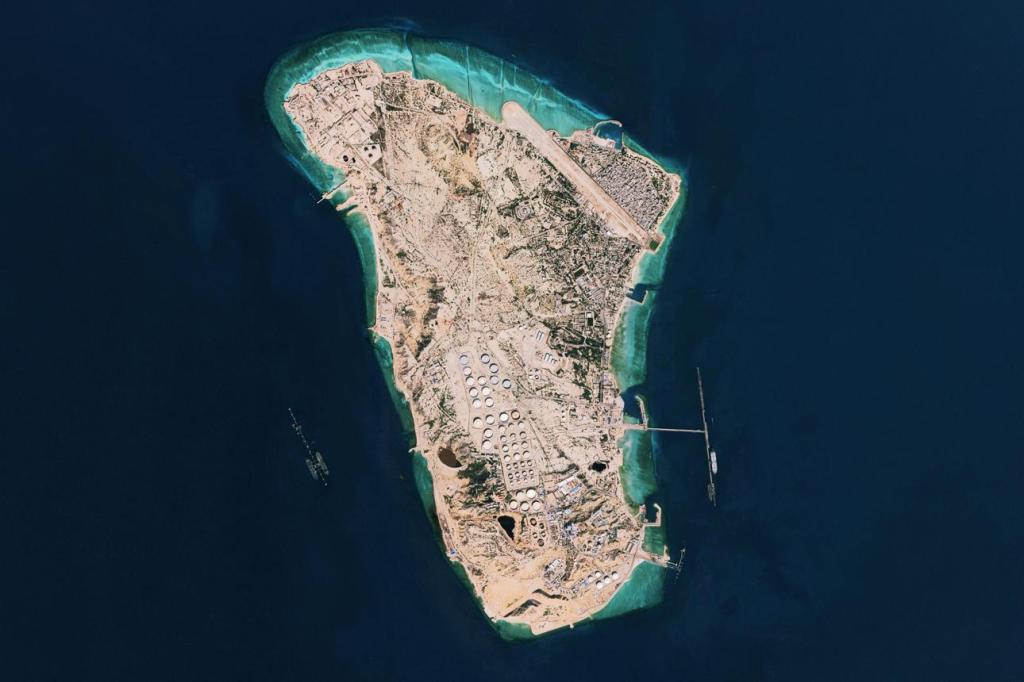
    In the waters of the Persian Gulf, about 25 kilometers off Iran’s coast, sits a small and rocky island that most people have never heard of.

    At first glance, Kharg Island appears insignificant.

    It has no massive cities.

    No famous landmarks.

    No large population.

    Yet during one of the bloodiest conflicts of the twentieth century, this tiny island became one of the most strategically important locations on Earth.

    For much of the Iran–Iraq War (1980–1988), Kharg Island handled the vast majority of Iran’s oil exports.

    Without it, Iran’s economy could collapse.

    Without oil revenue, Iran would struggle to buy weapons, fund military operations, or sustain its war effort.

    Recognizing this vulnerability, Iraq launched hundreds of attacks against the island.

    Bombers, missiles, and aircraft repeatedly targeted Kharg Island in an attempt to cripple Iran’s economy.

    Yet despite years of bombardment, the island continued operating.

    Its survival became one of the most remarkable logistical stories of modern warfare.

    This is the story of how a tiny island became the beating heart of a nation at war.


    Chapter 1: Why Kharg Island Mattered

    Before the Iran-Iraq War began, Kharg Island was already one of the most important energy hubs in the Middle East.

    The island served as Iran’s primary oil export terminal.

    Crude oil from massive fields across Iran flowed through pipelines to Kharg, where giant tankers loaded millions of barrels for customers around the world.

    By the late 1970s, approximately 90 percent of Iran’s oil exports passed through Kharg Island.

    This made the island a critical economic lifeline.

    Oil was not simply another export.

    It was the foundation of Iran’s economy.

    Revenue from oil sales funded:

    • government spending
    • infrastructure projects
    • military purchases
    • national development

    In strategic terms, Kharg Island functioned like a giant economic artery.

    If it stopped pumping oil, the nation would suffer severe consequences.

    This reality did not go unnoticed in Baghdad.


    Chapter 2: Saddam Hussein’s Economic War Strategy

    When Saddam Hussein launched the Iran-Iraq War in 1980, he hoped for a quick victory.

    Instead, the conflict became a brutal stalemate.

    As the war dragged on, Iraq searched for ways to weaken Iran without relying solely on ground offensives.

    One answer was economic warfare.

    Iraqi planners recognized that Iran’s military depended heavily on oil income.

    If Iraq could destroy Kharg Island, it could strike directly at the financial foundation of the Iranian war effort.

    This strategy was simple:

    • Destroy export infrastructure
    • Reduce oil revenue
    • Weaken Iran’s economy
    • Limit Iran’s ability to continue fighting

    In theory, it was a logical plan.

    In practice, it would prove much harder than expected.


    Chapter 3: The Air War Against Kharg Island

    Beginning in the early 1980s, Iraq launched an extensive bombing campaign against Kharg Island.

    The attacks became increasingly sophisticated over time.

    Iraqi aircraft targeted:

    • loading terminals
    • storage tanks
    • pumping stations
    • port facilities
    • tanker ships

    The goal was to shut down oil exports completely.

    French-made Dassault Mirage F1 fighters armed with anti-ship missiles became some of Iraq’s most effective tools.

    These aircraft could strike targets from long distances and then quickly withdraw.

    The attacks became so frequent that some observers described Kharg Island as one of the most heavily bombed economic targets in modern history.

    Yet despite the destruction, exports continued.

    Repair crews often began rebuilding damaged facilities almost immediately after attacks ended.

    This constant cycle of destruction and reconstruction became a defining feature of life on the island.


    Chapter 4: The Men Who Kept the Oil Flowing

    The survival of Kharg Island was not simply a story of infrastructure.

    It was also a story of people.

    Engineers, technicians, dock workers, and construction crews remained on the island despite repeated attacks.

    Every time facilities were damaged, workers rushed to repair them.

    Storage tanks were rebuilt.

    Pipelines were patched.

    Loading systems were restored.

    Many workers understood that keeping oil exports flowing was as important as any battlefield victory.

    Without oil revenue, Iran’s ability to continue the war would be severely weakened.

    As a result, Kharg Island became a frontline position in an economic war.

    The workers stationed there were effectively part of Iran’s national defense effort.


    Chapter 5: The Birth of the Tanker War

    By 1984, attacks on Kharg Island expanded into something much larger.

    The conflict evolved into what became known as the Tanker War.

    Instead of focusing solely on oil terminals, both sides began targeting commercial shipping.

    Oil tankers moving through the Persian Gulf became military targets.

    Iraq hoped that attacks on shipping would discourage international companies from transporting Iranian oil.

    Insurance rates skyrocketed.

    Shipping companies faced growing risks.

    Yet many tankers continued sailing.

    The world depended heavily on Gulf oil supplies.

    Completely halting exports proved difficult.

    Kharg Island remained at the center of this maritime conflict.

    Every tanker departing from the island became part of a larger geopolitical struggle.


    Chapter 6: Innovation Under Fire

    Faced with constant attacks, Iran adapted.

    Rather than relying solely on fixed infrastructure, Iranian planners developed alternative methods for exporting oil.

    These included:

    • offshore loading systems
    • dispersed storage facilities
    • emergency repair teams
    • alternative export routes

    This flexibility made it harder for Iraq to achieve decisive results.

    Every time a facility was destroyed, Iran found new ways to continue operations.

    Military historians often point to this resilience as a key reason why Iraq failed to achieve its economic objectives.

    Kharg Island demonstrated an important lesson:

    Infrastructure can be damaged, but adaptive systems are much harder to destroy.


    Chapter 7: Why Iraq Could Not Knock It Out

    Despite hundreds of attacks, Kharg Island never completely stopped functioning.

    Several factors explain this outcome.

    Geography

    The island’s location complicated military operations.

    Aircraft had limited time over target areas before facing air defenses.

    Redundancy

    Iran built backup systems and alternative facilities.

    Constant Repairs

    Repair crews worked continuously to restore damaged infrastructure.

    Global Demand

    International buyers still needed oil.

    Economic incentives encouraged continued exports despite the risks.

    These factors combined to create a situation where Iraq could inflict damage but could not deliver a knockout blow.


    Chapter 8: Lessons for Modern Warfare

    Kharg Island remains highly relevant today.

    Modern conflicts increasingly target economic infrastructure.

    Military planners recognize that economies are often more vulnerable than armies.

    Recent conflicts have seen attacks on:

    • oil facilities
    • pipelines
    • power stations
    • ports
    • shipping networks

    The story of Kharg Island demonstrates both the power and limitations of economic warfare.

    Strategic infrastructure matters enormously.

    But resilience matters too.

    Countries that can quickly repair damage and adapt to disruption are much harder to defeat.

    This lesson continues to influence military thinking around the world.


    Chapter 9: The Legacy of Kharg Island

    Today, Kharg Island remains one of Iran’s most important energy facilities.

    Although modern export routes have diversified somewhat, the island continues to play a major role in the country’s oil industry.

    Its wartime experience also shaped Iran’s broader strategic thinking.

    The Iranian government has invested heavily in:

    • hardened infrastructure
    • dispersed energy facilities
    • underground storage systems
    • alternative export capabilities

    Many of these investments reflect lessons learned during the Iran-Iraq War.

    The attacks on Kharg Island convinced Iranian planners that economic infrastructure would remain a primary target in future conflicts.

    As a result, resilience became a national security priority.


    Conclusion: The Island That Refused to Fall

    Military history often focuses on famous battles, powerful generals, and advanced weapons.

    Yet sometimes the outcome of a war depends on something much simpler.

    An island.

    A port.

    A pipeline.

    A tanker.

    Kharg Island was never a battlefield in the traditional sense.

    But it became one of the most important strategic locations in the Iran-Iraq War.

    For eight years, Iraq attempted to destroy the economic lifeline that sustained its enemy.

    For eight years, Iran fought to keep that lifeline open.

    The result was one of history’s most intense campaigns against energy infrastructure.

    And despite relentless attacks, Kharg Island endured.

    Its story reminds us that wars are not won only on the front lines.

    Sometimes they are won in the ports, terminals, and supply networks that keep a nation alive.

    In the modern world, economic infrastructure is often as important as military firepower.

    And few places illustrate that reality better than Kharg Island.

    Sources & Citations

    1. The Tanker War: The Assault on Merchant Shipping During the Iran-Iraq Conflict.
    2. U.S. Energy Information Administration – Historical analysis of Persian Gulf oil exports and strategic infrastructure.
    3. Center for Strategic and International Studies – Research on energy security and maritime conflict.
    4. International Institute for Strategic Studies – Military assessments of the Iran-Iraq War.
    5. The Longest War: The Iran-Iraq Military Conflict.
    6. Naval History and Heritage Command – Historical records on the Tanker War and Persian Gulf operations.
  • The Tanker War Returns: How Attacks on Oil Shipping Could Ignite a Global Crisis

    The Tanker War Returns: How Attacks on Oil Shipping Could Ignite a Global Crisis

    Why Modern Conflicts Are Once Again Targeting the World’s Most Important Energy Supply Routes


    Introduction: The Vulnerable Arteries of Global Energy

    Every day, thousands of ships move across the world’s oceans carrying oil and natural gas that power modern economies.

    But these vital shipping routes are increasingly becoming targets in modern warfare.

    In recent years, attacks on oil tankers, cargo vessels, and energy infrastructure have raised fears that the world could see a return of a dangerous strategy from the 1980s known as the Tanker War.

    During that conflict, merchant ships carrying oil through the Persian Gulf were repeatedly attacked as part of the larger Iran–Iraq War.

    Today, tensions involving Iran, Israel, and the United States have revived fears that global shipping could once again become a battlefield.

    Because a significant share of the world’s oil travels by sea, even a small number of attacks could trigger a global economic shock.


    Chapter 1: What Was the Original Tanker War?

    The original Tanker War began in 1984 during the later stages of the Iran–Iraq War.

    Both Iran and Iraq began targeting oil tankers and merchant vessels in the Persian Gulf.

    The goal was simple:

    Destroy the enemy’s economic lifeline.

    Since both countries relied heavily on oil exports, disrupting shipping could weaken the opponent’s economy and reduce their ability to fund the war.

    The attacks included:

    • anti-ship missiles
    • naval mines
    • aircraft strikes
    • attacks on oil terminals

    More than 400 commercial vessels were attacked during the conflict, making it one of the largest maritime attacks on civilian shipping since World War II.

    Eventually the conflict drew in outside powers.

    The United States launched Operation Earnest Will, escorting oil tankers through the Gulf to protect them from attacks.


    Chapter 2: Why Oil Tankers Are Strategic Targets

    Oil tankers are among the most important vessels in global trade.

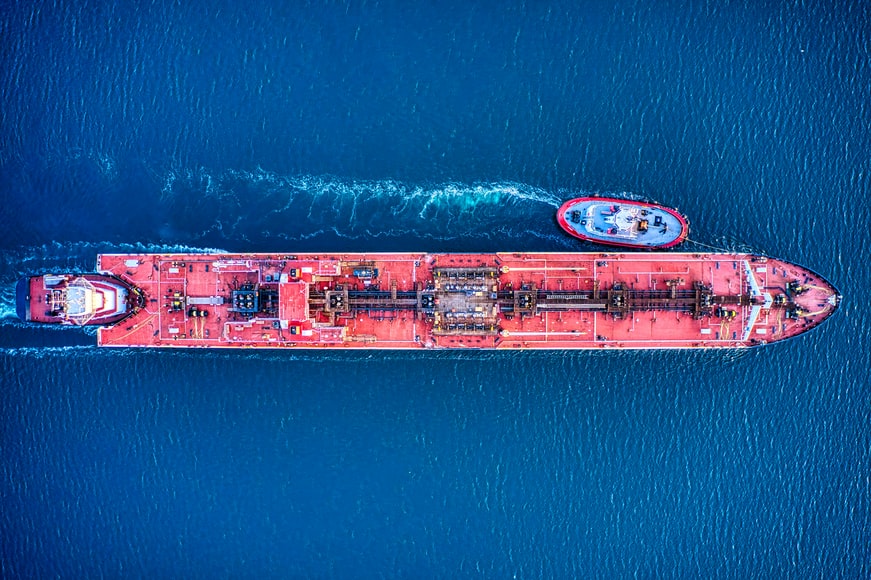
    A single supertanker can carry two million barrels of crude oil.

    Because of this, tanker attacks have effects far beyond the ships themselves.

    Key impacts include:

    Energy Supply Disruptions

    Damaging even a few tankers can disrupt supply chains and delay shipments.

    Insurance and Shipping Costs

    Shipping through dangerous regions dramatically increases insurance costs.

    During past crises, insurance rates for vessels in the Persian Gulf increased several hundred percent.

    Market Panic

    Even rumors of attacks can cause oil prices to surge in global markets.

    Energy traders closely monitor shipping risks because disruptions can immediately affect supply expectations.


    Chapter 3: The World’s Most Dangerous Shipping Routes

    Several key maritime chokepoints dominate global energy transportation.

    Among the most important is the Strait of Hormuz, the narrow passage connecting the Persian Gulf to the Arabian Sea.

    About 20% of the world’s oil supply passes through this corridor each day.

    Other important energy chokepoints include:

    • the Bab el‑Mandeb Strait connecting the Red Sea to the Indian Ocean
    • the Suez Canal linking the Mediterranean Sea to the Red Sea
    • the Strait of Malacca between Malaysia and Indonesia

    Because these routes are narrow and heavily trafficked, ships passing through them are difficult to protect.

    This makes them attractive targets during conflicts.


    Chapter 4: The Modern Return of Tanker Attacks

    Recent years have seen a growing number of attacks on shipping in the Middle East.

    Tankers have been damaged by:

    • naval mines
    • drone strikes
    • missile attacks

    Some of these incidents have occurred near the Strait of Hormuz, raising fears of a new tanker war.

    Other attacks have taken place near the Red Sea, where armed groups have targeted commercial vessels.

    These incidents demonstrate how modern weapons—especially drones and missiles—have made tanker attacks easier to conduct.

    Unlike in the 1980s, attackers no longer need fighter aircraft or large naval forces.

    Even small groups equipped with drones or missiles can threaten major shipping routes.


    Chapter 5: The Role of Proxy Forces

    Modern conflicts increasingly rely on proxy groups.

    Instead of direct military confrontation between major powers, attacks are often conducted by allied militias or non-state actors.

    In the Middle East, this includes groups such as:

    • Hezbollah in Lebanon
    • Houthi movement in Yemen

    These groups have developed missile and drone capabilities capable of striking ships at sea.

    By operating through proxies, states can apply pressure on enemies while maintaining plausible deniability.

    This strategy complicates military responses and increases the risk of escalation.


    Chapter 6: The Global Economic Domino Effect

    If tanker attacks increase significantly, the economic consequences could spread rapidly across the world.

    Potential effects include:

    Oil Price Spikes

    Even limited disruptions could push oil prices sharply higher.

    Energy markets react quickly to perceived supply threats.

    Inflation

    Higher fuel costs increase transportation and manufacturing prices.

    This can drive inflation in economies worldwide.

    Supply Chain Disruptions

    Shipping delays can disrupt industries that depend on energy imports.

    Countries heavily reliant on imported oil—such as Japan, South Korea, and India—would be especially vulnerable.


    Chapter 7: Can Tanker Shipping Be Protected?

    Protecting thousands of merchant ships across vast ocean areas is extremely difficult.

    Navies can escort some vessels, but not every ship.

    Major maritime powers—including the United States Navy and allied fleets—regularly patrol the Persian Gulf and nearby waters.

    However, modern threats such as drones and sea mines remain difficult to detect.

    New technologies being developed to protect shipping include:

    • anti-drone systems
    • improved radar detection
    • naval escorts and convoy systems

    But despite these efforts, commercial shipping will always remain somewhat vulnerable in wartime.


    Conclusion: The Fragile Lifelines of the Global Economy

    The world’s energy system depends heavily on maritime transportation.

    Oil tankers crossing narrow waterways connect producers in the Middle East with consumers across the globe.

    This dependence creates a dangerous vulnerability.

    The original Tanker War showed how quickly attacks on shipping can escalate into international crises.

    Today, new technologies—including drones, missiles, and proxy warfare—make such attacks easier than ever before.

    If a modern tanker war were to erupt, its effects would not be limited to the Middle East.

    Energy markets, shipping routes, and global economies could all be affected.

    Because in the modern world, the oceans are not just highways of trade.

    They are also potential battlefields that hold the power to shake the global economy.

    Sources & Citations

    1. U.S. Energy Information Administration – Global oil shipping routes and chokepoint analysis.
    2. International Energy Agency – Global oil supply and maritime trade statistics.
    3. Center for Strategic and International Studies – Maritime security and tanker war analysis.
    4. International Institute for Strategic Studies – Middle East military and maritime security reports.
    5. Historical reporting and research on Operation Earnest Will and the Tanker War during the Iran–Iraq War.
  • Iran’s Underground Missile Cities: The Secret Bases Hidden Beneath Mountains

    Iran’s Underground Missile Cities: The Secret Bases Hidden Beneath Mountains

    Inside the Hidden Tunnel Networks Designed to Protect Iran’s Deadliest Weapons


    Introduction: The Hidden Arsenal Beneath the Mountains

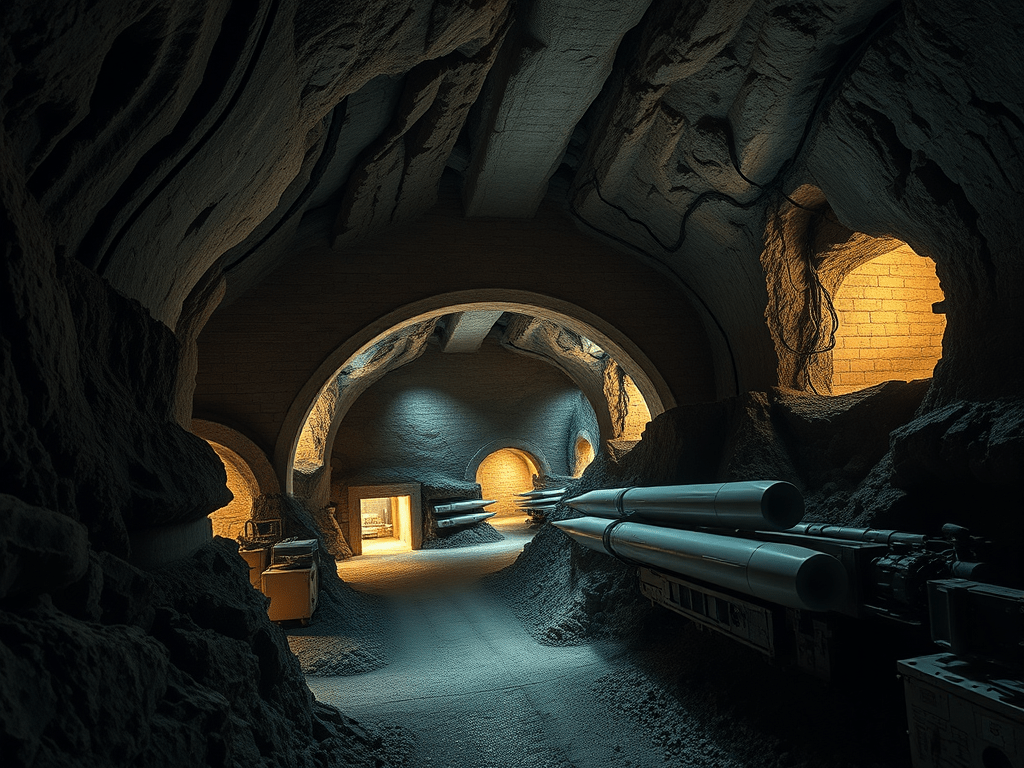
    Deep beneath the mountains and deserts of Iran, massive tunnel complexes hide one of the most mysterious military systems in the world.

    Iran calls them “missile cities.”

    These underground bases are vast networks of tunnels carved into solid rock where ballistic missiles, drones, and launch systems are stored and prepared for war.

    Many of these facilities are buried hundreds of meters underground, designed to survive airstrikes and continue launching missiles even during heavy bombardment.

    For Iran’s military planners, these hidden bunkers serve one primary purpose:

    Guaranteeing that Iran can strike back even if its surface military bases are destroyed.

    This strategy—known as second-strike capability—has become the backbone of Iran’s missile doctrine.

    But as modern surveillance and precision weapons improve, these secret underground cities are increasingly becoming the focus of global military attention.


    Chapter 1: Why Iran Built Underground Missile Cities

    Iran’s focus on missile warfare stems largely from its experiences during the Iran–Iraq War (1980–1988).

    During that conflict, Iraqi missile strikes hit Iranian cities repeatedly. Iran had little ability to retaliate effectively.

    The lesson for Iranian military leaders was clear:

    Missiles could determine the outcome of future wars.

    However, Iran faced several challenges:

    • limited airpower compared with Western countries
    • international arms sanctions
    • vulnerability of surface military bases to airstrikes

    To solve these problems, Iran began building hardened underground facilities where missiles could be hidden from surveillance and protected from attack.

    Over the following decades, these tunnel systems expanded across the country.

    Today they form one of the most extensive underground missile networks in the world.


    Chapter 2: How Iran’s Missile Cities Work

    The underground missile cities are not simple bunkers.

    They are complete underground military complexes.

    Some tunnels reportedly extend hundreds of meters below the surface, deep enough to resist most conventional bunker-busting bombs.

    Inside these facilities are:

    • missile storage chambers
    • launch preparation areas
    • command centers
    • transportation tunnels
    • ventilation and power systems

    Some bases even contain rail systems or transport vehicles that move missiles from storage areas to launch points hidden on mountain slopes.

    When a launch order is given, missiles are transported through the tunnels to hidden exits where they can be fired.

    This design allows Iran to:

    • protect its missile stockpiles
    • conceal launch preparations
    • rapidly deploy missiles during conflict

    Chapter 3: The Missiles Hidden in the Mountains

    Iran possesses the largest ballistic missile arsenal in the Middle East.

    Many of these weapons are stored inside underground facilities.

    Examples include missiles such as:

    • the Emad ballistic missile
    • the Sejjil ballistic missile
    • the Ghadr missile

    Some of these missiles have ranges between 1,000 and 2,500 kilometers, placing much of the Middle East within reach.

    These weapons are operated primarily by the Islamic Revolutionary Guard Corps (IRGC), which controls Iran’s missile forces.

    Because missiles can strike distant targets quickly, they are a central element of Iran’s deterrence strategy.


    Chapter 4: Known Locations of Missile Cities

    The exact locations of many missile cities remain secret.

    However, intelligence analysts have identified several likely regions where these facilities exist.

    Examples include:

    • Kermanshah Province in western Iran
    • Semnan Province in northern Iran
    • mountainous regions near the Persian Gulf

    One well-known installation is the Kermanshah Underground Missile Facility, which stores ballistic missiles such as the Fateh-110 and Qiam-1.

    Many of these locations were chosen because Iran’s rugged terrain provides natural protection.

    Mountains act as a shield against airstrikes while also hiding tunnel entrances.


    Chapter 5: Why These Bases Are So Difficult to Destroy

    Underground missile cities are designed to survive war.

    Their defenses include:

    Extreme Depth

    Some tunnels are reportedly built hundreds of meters inside mountains, making them resistant to most conventional bombs.

    Multiple Entrances

    Many complexes have dozens of entrances spread across large areas.

    Destroying one entrance does not necessarily disable the entire facility.

    Concealed Launch Sites

    Missile launch platforms can appear suddenly from hidden tunnel exits, allowing surprise attacks.

    Because of these features, completely eliminating such bases would require extensive bombing campaigns or specialized bunker-penetrating weapons.


    Chapter 6: The Growing Hunt for Iran’s Missile Cities

    In recent conflicts, these underground facilities have become key military targets.

    The Wall Street Journal

    Iran’s Underground ‘Missile Cities’ Have Become One of Its Biggest Vulnerabilities

    6 days ago

    Satellite imagery shows extensive damage to Iran's missile bases

    The Washington Post

    Satellite imagery shows extensive damage to Iran’s missile bases

    6 days ago

    Israel to attack Iran's underground missile sites in second phase of war, sources say

    Reuters

    Israel to attack Iran’s underground missile sites in second phase of war, sources say

    6 days ago

    Reports indicate that U.S. and Israeli forces have increasingly targeted missile city infrastructure such as tunnel entrances and launch systems.

    Satellite imagery has revealed damage to facilities in areas like Tabriz and Kermanshah, where buildings near tunnel entrances were destroyed during airstrikes.

    Military analysts say the strategy focuses on attacking launchers and access points, rather than attempting to destroy the entire underground complex.

    When launch vehicles leave the tunnels, they become vulnerable to surveillance drones and precision strikes.


    Chapter 7: The Strategic Purpose — Deterrence

    Despite growing threats, Iran’s missile cities serve a clear strategic purpose.

    They are designed to ensure that Iran can still retaliate after a first strike by an enemy.

    This concept is similar to nuclear deterrence strategies used during the Cold War, where countries protected weapons in hardened silos to guarantee a response.

    By hiding missiles underground, Iran aims to make any attack against it too risky for adversaries.

    Even if many missiles are destroyed, some would likely survive.

    Those surviving weapons would still be capable of launching devastating strikes.


    Conclusion: The Hidden War Beneath the Mountains

    Iran’s underground missile cities represent one of the most secretive military infrastructures in the modern world.

    Hidden deep within mountains and deserts, these bases form the backbone of Iran’s missile deterrence strategy.

    They allow Iran to protect its missile arsenal, conceal launch operations, and maintain the ability to retaliate during wartime.

    But advances in satellite surveillance, drones, and precision airstrikes are beginning to challenge the effectiveness of these underground fortresses.

    As tensions rise in the Middle East, the battle over these hidden bases may play a decisive role in future conflicts.

    Because beneath the mountains of Iran lies not just tunnels and bunkers—

    but one of the most powerful missile arsenals in the region.

    Sources & Citations

    1. International Institute for Strategic Studies – Iranian missile force analysis.
    2. Center for Strategic and International Studies – Missile proliferation in the Middle East.
    3. U.S. Defense Intelligence Agency – Iranian missile capabilities report.
    4. Analysis of underground missile facilities and tunnel networks.
    5. Known underground missile bases and missile deployments.
    6. Reporting on airstrikes targeting missile facilities in recent conflicts.
  • The Costs of the Iron Dome & Going Forward

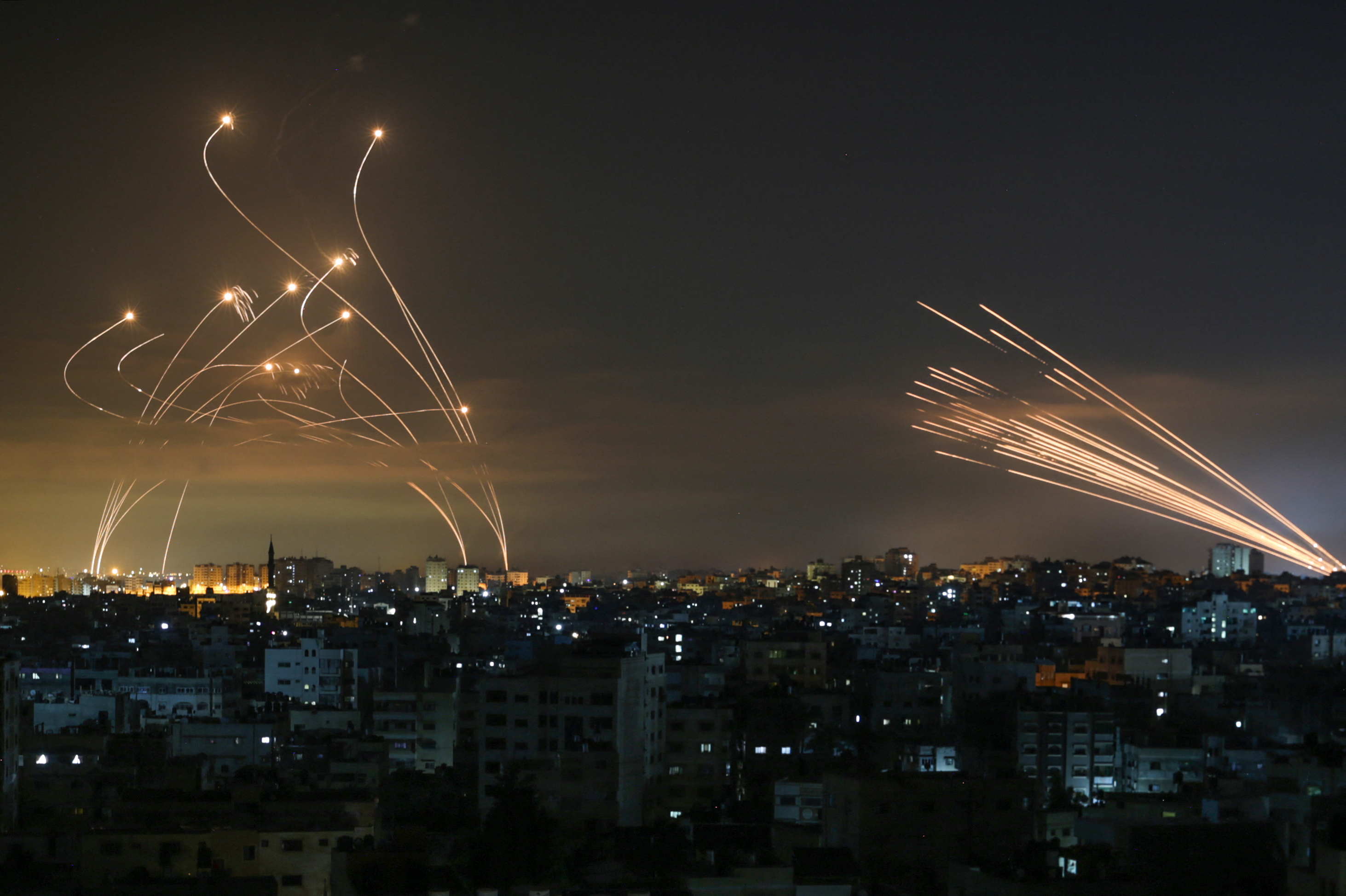
    The Famous Iron Dome Firing.

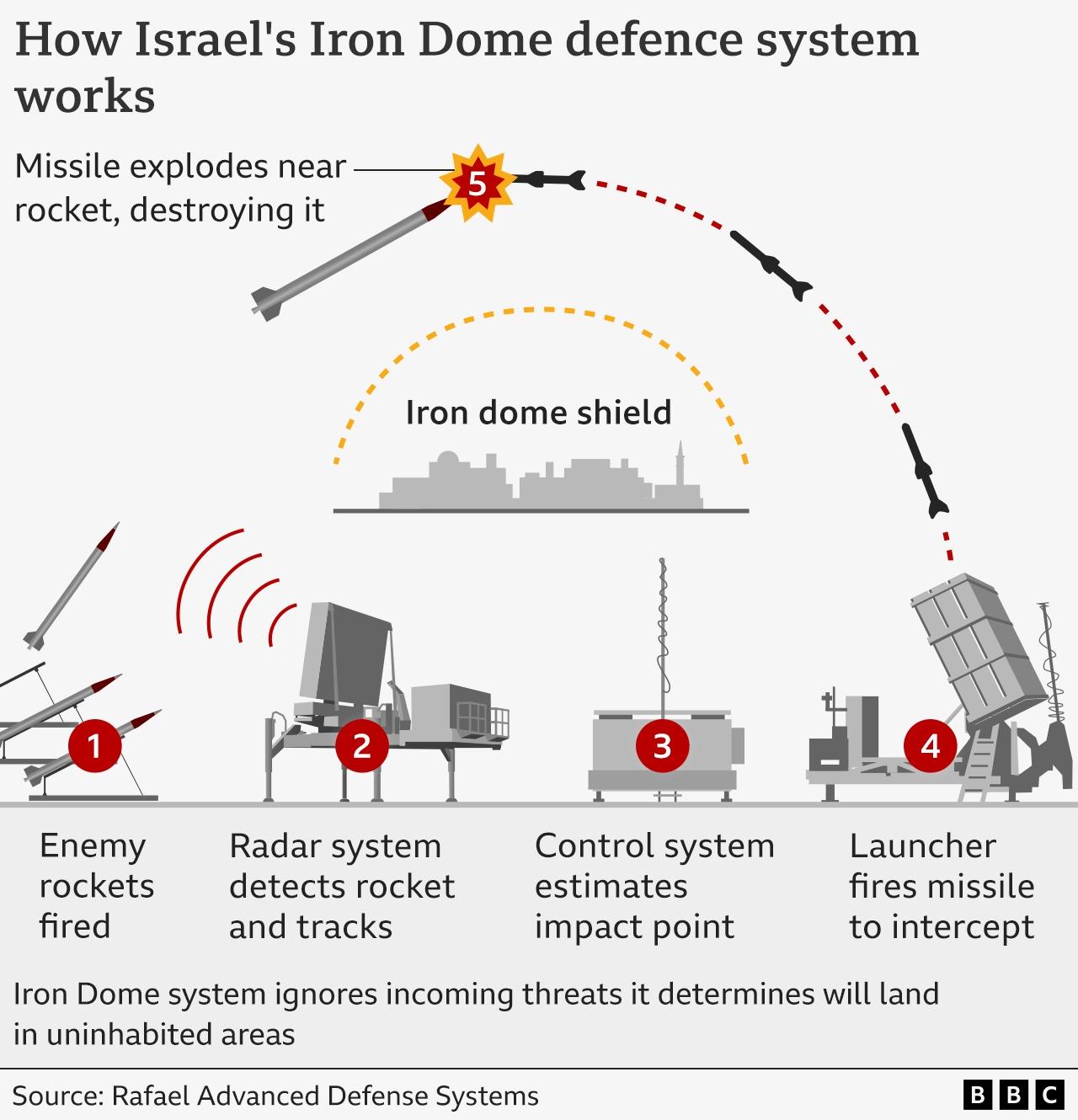
    The costly albeit effective Iron Dome system implemented in 2011 has protected Israel for the past 14 years, with each battery approximately costing between $50 to $80 million it is generally accepted that the strategy for its unfriendly neighbours over Israel is constant attrition.

    With each cheap $500 Qassam Rocket or Shahed drone getting hurled at Israel getting met with a $50,000 Tamir missile, Israel is imposed with a cost efficiency dilemma. How is it being solved?

    So far, U.S co-funding (over $5B since 2011), prioritising interception (to conserve missiles) and increased integration with the David’s Sling and arrow system has assisted in absorbing the costs associated to defend the population of almost 10 million.

    Effectiveness In Conflicts

    What is Israel's 'Iron Dome' and how does it stop rockets from Hamas? : NPR

    Key Tests in the Gaza Conflicts from (2012, 2014, 2021, 2023, 2024), May 2021 saw 4,000+ rockets fired, with a claimed ~90% interception rate. Given footages, it is clear that the system works however nothing is foolproof and some missiles still do make it through causing damage to civilian infrastructure and potential damage to key military installations however that it is strictly censored due its sensitivity.

    That does not mean it is a futile effort, by having the system implemented the strategic value for Israel has been proven so far.

    The prevention civilian casualties has been the first and foremost reason on the weapons system being created. Civilians are the backbone of any country’s economy, defence and offence. With Israel’s high conscription rate, every citizen is a asset to the country.

    Every casualty as a result of the Iron Dome system failing is one loss towards compounded knowledge that the person may have had and perhaps decades of experience which for a country with a specialised workforce is an extreme price to pay for which Israel chose to prevent with the Iron Dome System.

    Forward Strategy: Future Developments & Alternatives

    Images from the “Iron Beam”

    Israel is currently undergoing testing and possibly live testing on its Iron Beam system. With a supposed cost to fire of just US$3 per intercept, implementation of this weapons system slated to be in service in the later parts of this year. This could solve the cost efficiency dilemma and pour funds from the Tamir system towards other systems and R&D.

    Laser guided systems are potentially a new way countries are able to protect against the new age of drone warfare. With the U.S Navy’s HELIOS (High Energy Laser with Integrated Optical Dazzler and Surveillance) being deployed and tested for use against drone targets, this is a topic in which I wish to delve in deeper in future blog posts.

    Thank you for taking the time to read my first blog post! My blog may be not be as optimised for now but il get to the hang of it!

    Disclaimer: I am not a professional, all my writings are my own personal opinion. Nothing I say should be taken as financial advice.