Tag: read

  • Floating Ghosts: The Global Menace of Shadow Oil Tankers

    Floating Ghosts: The Global Menace of Shadow Oil Tankers

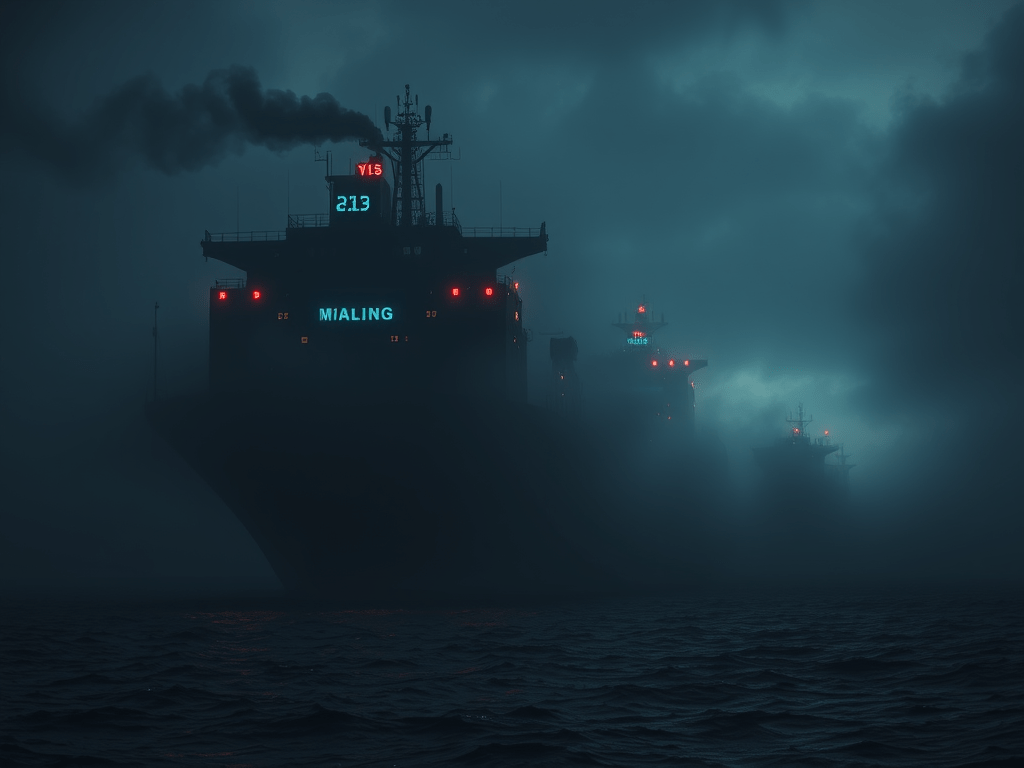
    Shadow tanker fleets—also known as dark fleets—are aging vessels operating under the radar to ship sanctioned oil and scarce commodities. These networks have become strategic tools for sanctioned regimes like Russia and Iran to preserve revenue streams without open confrontation.


    What Are Shadow Fleets?

    Shadow fleets are clandestine networks of tankers involved in smuggling sanctioned goods—like crude oil—using deceptive maritime practices to evade detection.


    They operate increasingly outside conventional frameworks, exploiting AIS manipulation, flag-hopping, ship-to-ship transfers, and complex offshore ownership, all to remain invisible to regulators.Wikipedia+2 Wikipedia+2

    Originally adopted by countries like Iran and Venezuela, shadow fleets gained prominence after 2022 when Russia expanded its network to maintain oil exports under Western sanctions.

    Wikipedia Brookings The Washington Post Le Monde.fr


    Key Evasion Tactics

    Concealing identity and routing paths:

    Concealing shipments:


    The Scale of the Shadow Fleet

    Global presence: These ships are spotted across Arctic waters, the English Channel, Gulf of Oman, and Southeast Asia — showing how sanctions networks span the globe.

    Financial Times The Times. Atlantic Council. S&P Global


    Strategic Importance & Risks

    Shadow fleets are more than sanctions loopholes—they are instruments of geopolitical resilience:


    Enforcement vs Evasion: What’s Being Done?

    Regulatory moves:

    • In late 2023, the IMO demanded restrictions on ship-to-ship transfers and called for enhanced inspections of suspicious tankers. Atlantic Council
    • Western sanctions now specifically target vessels, operators, insurers, and ports facilitating shadow fleet operations.The Washington Post Financial Times
    • Countries like the UK are demanding vessels prove valid insurance before transit — an emerging point of pressure. Financial Times

    Limitations remain:

    • Evasion tactics, such as falsified ownership, spoofed AIS, and remote high-sea operations, make enforcement extremely hard.World Ports Atlantic Council
    • Shadow fleets also intersect with broader networks, including Iran’s ghost fleet, expanding beyond oil to other strategic commodities. Wikipedia

    Playbook for Mitigation

    For sanctioning coalitions:

    • Build real-time maritime tracking and cross-jurisdiction enforcement networks.
    • Impose secondary sanctions on insurers, financiers, and intermediaries enabling operations.
    • Leverage satellite imagery and maritime domain awareness tools to flag suspicious behaviors.

    For policymakers:

    • Strengthen international regulation on vessel registration, insurance verification, and end-use accountability.
    • Use sanctions strategically, pairing them with monitoring capabilities to limit evasion routes.
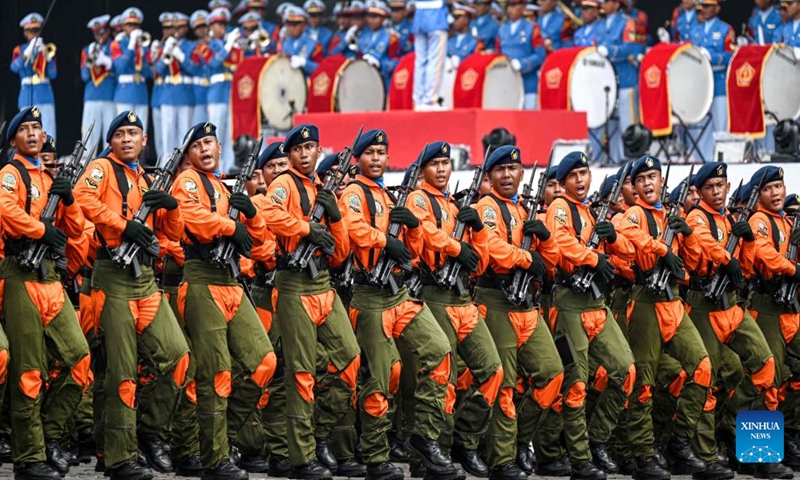
  • Indonesia’s Strategic Rebalance: Modernization, Eastern Deployment, and Industry Independence

    Indonesia’s Strategic Rebalance: Modernization, Eastern Deployment, and Industry Independence

    Introduction: Indonesia at the Crossroads of the Indo-Pacific

    Indonesia is often overlooked in global military rankings. When analysts debate the balance of power in Asia, eyes tend to focus on China, India, Japan, and the United States. Yet Indonesia, the world’s largest archipelagic state, sits astride the most important maritime chokepoints on earth: the Strait of Malacca, Sunda Strait, and Lombok Strait.

    Every year, trillions of dollars of trade — including much of China’s and Japan’s energy imports — flow through these waters. To control or secure them is to shape the future of the Indo-Pacific. Indonesia’s military, known as the Tentara Nasional Indonesia (TNI), may not yet match the great powers in raw strength, but its geography, modernization, and neutrality make it one of the most strategically significant forces of the 21st century.

    This deep dive explores how Indonesia’s military is structured, where it is headed, and why its choices will influence the future of regional security.


    1. The Structure of Indonesia’s Military

    🔹 The Army (TNI-AD)

    Indonesia’s army is the backbone of its military, with around 300,000 active personnel. Historically, it has played an outsized role in both politics and security, focusing on internal stability and counterinsurgency.

    • Heavy Equipment: Leopard 2A4 main battle tanks, BMP-3F infantry fighting vehicles, and AH-64E Apache attack helicopters.
    • Special Forces: Kopassus, Indonesia’s elite special operations unit, specializes in counter-terrorism and unconventional warfare. Though highly capable, it has a controversial history due to human rights abuses in East Timor and Papua.

    The army’s priority remains guarding Indonesia’s vast and diverse islands, preventing separatism, and projecting presence across its huge archipelagic territory.


    🔹 The Navy (TNI-AL)

    With 74,000 personnel, Indonesia’s navy has ambitions to shift from a green-water force to a credible blue-water navy.

    • Submarines: 4 South Korean-built Type 209/1400 submarines.
    • Surface Fleet: 6 Dutch-designed Sigma-class corvettes, indigenous fast-attack craft, and Makassar-class landing platform docks (LPDs) that allow limited amphibious operations.
    • Role: Securing sea lanes, countering illegal fishing, and reinforcing Indonesia’s sovereignty in the Natuna Islands, where its Exclusive Economic Zone (EEZ) overlaps with China’s Nine-Dash Line claims.

    The navy is increasingly vital. With over 17,000 islands to defend, sea power is the key to deterrence and maritime domain control.


    🔹 The Air Force (TNI-AU)

    Indonesia’s air force has about 34,000 personnel and a mixed fleet that reflects its balancing strategy between great powers.

    • Current Fighters: F-16C/D Block 52ID, Su-27SK, and Su-30MK2.
    • Modernization: Orders have been placed for 42 Rafale fighters (France) and 24 F-15EX fighters (U.S.), which will significantly upgrade its capabilities.
    • Future Tech: Investment in drones, UAVs, and long-range strike platforms.

    The combination of Rafales and F-15EX will give Indonesia one of the most powerful air forces in Southeast Asia by the mid-2030s.


    2. Defense Modernization and Ambitions

    Indonesia spends around $13–15 billion annually on defense, about 0.7–0.8% of GDP. While relatively low compared to its size, there are plans to increase spending to 1.5% of GDP by 2035, nearly doubling its defense capacity.

    🔸 The Minimum Essential Force (MEF)

    The MEF is Indonesia’s three-phase modernization roadmap (2009–2025) designed to ensure the military reaches a “minimum credible deterrent.” Its goals:

    • Interoperability between branches.
    • Modernization of outdated Cold War-era platforms.
    • Increased maritime defense.

    🔸 Procurement Strategy

    Unlike many countries that rely heavily on a single partner, Indonesia deliberately diversifies procurement:

    • U.S.: F-15EX, Apache helicopters.
    • France: Rafale jets, Scorpène submarines (negotiations ongoing).
    • South Korea: Submarines and co-development of the KF-21 stealth fighter.
    • Domestic Industry: PT PAL (shipbuilding), PTDI (aerospace), and Pindad (land systems).

    This strategy prevents dependency but creates logistical complexity — maintaining parts and training across such a varied arsenal is a challenge.


    3. Geostrategic Pressures

    🔹 South China Sea Tensions

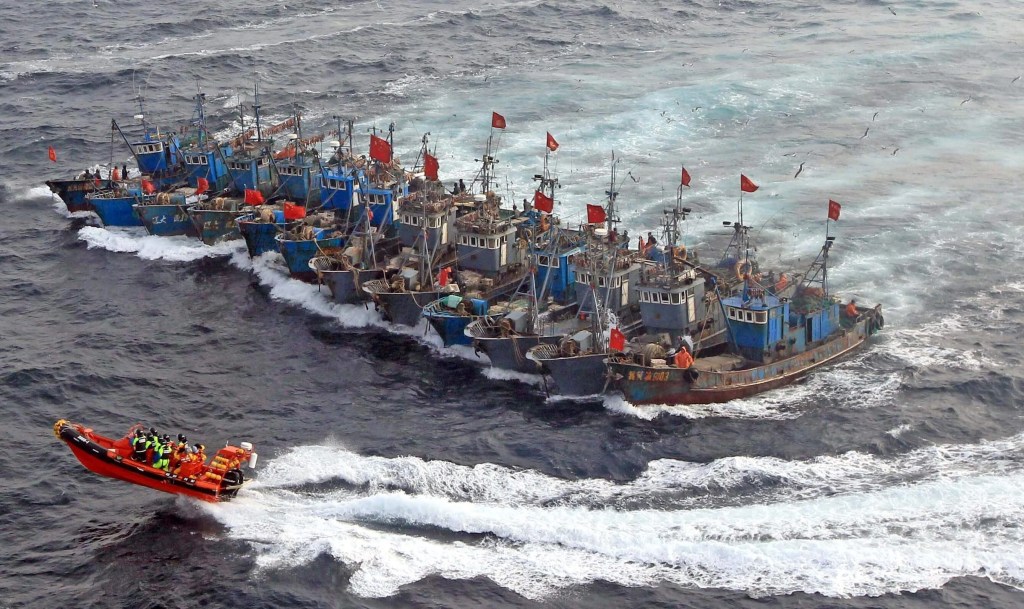
    Indonesia officially rejects Beijing’s Nine-Dash Line, but clashes are frequent in the Natuna Islands. Chinese fishing fleets, backed by armed coast guards, often test Indonesian resolve. In response, Jakarta has expanded bases and deployed F-16s to Natuna.

    🔹 Archipelagic Vulnerability

    Indonesia’s geography is both a strength and a weakness. Defending 17,000 islands requires enormous logistical reach. Maritime domain awareness is limited, with insufficient radar and satellite coverage to track all illegal incursions.

    🔹 Balancing Global Powers

    Indonesia adheres to a “free and active” foreign policy — avoiding formal alliances while engaging multiple partners.

    • With the U.S., it conducts joint training and buys advanced platforms.
    • With China, it maintains economic ties but pushes back against maritime assertiveness.
    • With Australia and Japan, it strengthens maritime cooperation and regional security coordination.

    Jakarta’s neutrality makes it a swing state in the Indo-Pacific.


    4. Grey-Zone and Unconventional Challenges

    Beyond traditional threats, Indonesia faces grey-zone warfare and non-traditional security issues:

    • Illegal Fishing: Foreign vessels cost Indonesia up to $4 billion annually. The navy’s dramatic tactic of blowing up seized vessels has become a symbol of resolve.
    • Terrorism: Groups linked to Jemaah Islamiyah and ISIS remain a domestic threat, though weakened by counter-terror units like Densus 88 and Kopassus.
    • Cyber Threats: As a digitally connected economy, Indonesia is investing in a Cyber Defense Command to protect infrastructure.

    5. Indonesia in 2035 – The Silent Giant Rises

    If modernization plans succeed, Indonesia in 2035 will look very different:

    • Blue-Water Navy: Expansion to 12–14 submarines, indigenous frigates, and drone ships.
    • Air Superiority: A powerful mix of Rafale and F-15EX, supported by drones and surveillance aircraft.
    • Defense Industry Independence: Growing capacity in aerospace and naval shipbuilding will reduce reliance on foreign suppliers.
    • Strategic Autonomy: Unlike Vietnam or the Philippines, Indonesia is unlikely to align firmly with either Washington or Beijing — giving it leverage as a balancing power.

    6. Strategic Takeaways

    1. Indonesia’s military is not yet among the great powers, but its geography and modernization make it impossible to ignore.
    2. Its doctrine is evolving from internal defense to regional sea control and deterrence.
    3. In a conflict over the South China Sea, Indonesia could be a kingmaker, tilting the balance toward the U.S., China, or maintaining neutrality.
    4. By 2035, if modernization goals are realized, Indonesia could emerge as Southeast Asia’s dominant military power.

    Conclusion: The Archipelagic Power to Watch

    Indonesia’s military today is still a work in progress — underfunded, spread thin across vast geography, and reliant on a patchwork of imported systems. But tomorrow, it may become the guardian of Southeast Asia’s sea lanes, a neutral balancer between great powers, and a formidable force in its own right.

    For strategists watching the Indo-Pacific, one lesson is clear: ignore Indonesia at your peril.

  • How Infrastructure Collapse Shapes Modern Wars: Lessons from Syria

    How Infrastructure Collapse Shapes Modern Wars: Lessons from Syria

    1. The Broken Backbone of a Nation

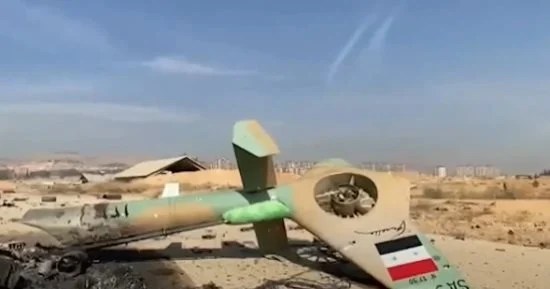
    Once a hub of Levantine commerce and agriculture, Syria’s infrastructure now barely functions.

    • Electricity: Only about 30–35% of the country’s demand is met. Rolling blackouts cripple businesses and daily life. Generators keep cities running, but fuel imports from Iran are the lifeline.
    • Water Systems: Rivers and aquifers have been decimated. The Euphrates, controlled upstream by Turkey’s dam projects, delivers far less water than before, turning scarcity into a political weapon.
    • Transport & Industry: Roads and railways are cracked, mined, or destroyed. Oil-rich northeast fields remain contested by Kurdish groups with U.S. backing. Ports like Latakia and Tartus function, but they are tightly controlled by Russia.
    • Healthcare & Urban Systems: Hospitals operate at half capacity, medicines are scarce, and urban sanitation lags far behind. Sanctions and corruption ensure reconstruction crawls forward at a snail’s pace.

    Infrastructure isn’t just about roads and power. It is about who controls the lifelines of society. In Syria, these lifelines are foreign-owned, militarized, or deliberately left broken.


    2. Infrastructure as a Weapon of War

    Syria demonstrates how infrastructure itself has become a weapon of war. Destroying it weakens the state, and controlling it extends power without firing a single shot.

    • Dependency as Strategy: Assad cannot keep the lights on without Iranian fuel and Russian engineers. This ensures loyalty.
    • Migration as Leverage: With infrastructure broken, millions of Syrians will remain displaced. Refugees become political bargaining chips for Turkey and a pressure point on Europe.
    • Selective Reconstruction: Foreign powers aren’t rebuilding Syria — they’re selectively repairing what benefits them. Ports, oil fields, and transport corridors tied to military or trade networks are priorities, while cities remain rubble.

    In this sense, Syria is no longer a sovereign nation — it’s a patchwork of zones of influence defined by infrastructure chokeholds.


    3. The New Power Map of Syria

    To understand Syria’s future, we must understand who controls what.

    • Russia – Holds naval dominance at Tartus and airpower at Latakia, cementing its presence in the Mediterranean. Manages key energy projects that ensure Assad’s survival.
    • Iran – Supplies fuel and power, builds proxy networks near Damascus, and establishes supply chains to Hezbollah in Lebanon.
    • Turkey – Controls the north through proxy militias, manipulates water flow from Euphrates dams, and uses refugee camps as leverage against Europe.
    • China – Quietly scouting investment opportunities under the Belt & Road Initiative, waiting for the right geopolitical window to enter reconstruction markets.
    • United States / Europe – Maintain sanctions (the Caesar Act being the most biting) to deny Assad international legitimacy. U.S. forces remain in Kurdish zones, guarding oil fields and constraining both Assad and Iran.

    This makes Syria a living example of hybrid sovereignty: each major power holds a piece of the infrastructure puzzle, ensuring no single actor dominates completely.


    4. Military Lessons from Syria’s Collapse

    For defense planners, Syria is not just a tragedy — it’s a case study in modern warfare.

    • Urban Fragility: Cities are easy to destroy, but nearly impossible to rebuild under sanctions and fractured governance. A destroyed city becomes a long-term vulnerability.
    • Infrastructure as Deterrence: By targeting or denying reconstruction, external powers create permanent instability — making sure Syria remains weak and dependent.
    • Hybrid Control: Armies now compete less for land and more for infrastructure nodes — ports, water dams, oil wells, power stations. Whoever owns these nodes owns the country.
    • Proxy Integration: Foreign powers no longer need to occupy land directly. Instead, they integrate local militias with control of infrastructure to lock in influence for decades.

    5. What Syria Teaches Us About Geopolitics

    Syria’s tragedy offers bigger lessons for the 21st century:

    • Infrastructure is the new battlefield. Wars no longer end when guns go silent — they continue in the rebuilding (or non-rebuilding) phase.
    • Sanctions reshape power maps. By blocking Western investment, sanctions unintentionally hand over Syria’s reconstruction to Russia, Iran, and China.
    • Refugees as permanent leverage. The broken infrastructure ensures millions will never return, giving Turkey and neighboring states a strategic bargaining chip with Europe.
    • Fragmented sovereignty is the new norm. Syria will remain a state on the map, but in reality it is four different countries stitched together under Assad’s flag.

    6. The Road Ahead (2025–2035)

    Looking forward, Syria is unlikely to recover its pre-war strength. Instead:

    • BRI Entrenchment: Expect China to slowly step into the vacuum, offering long-term infrastructure contracts as leverage.
    • Flashpoints Ahead: Any shift in U.S. support for Kurdish zones, an Israeli-Iranian clash on Syrian soil, or a water crisis with Turkey could ignite new conflict cycles.
    • Frozen Conflict Model: Like Libya or Ukraine’s Donbas pre-2022, Syria will serve as a permanent zone of tension — not a solved conflict, but a managed instability.

    Final Takeaway

    Syria is no longer just a battleground of armies — it is a laboratory of hybrid warfare, where roads, dams, and power stations matter more than tanks. Its crippled infrastructure ensures that no single power can dominate outright, but it also ensures millions of Syrians remain trapped in hardship.

    For strategists, Syria teaches one sobering lesson: in modern warfare, infrastructure isn’t just collateral damage — it is the battlefield itself.

  • Economic Warfare: How States Fight with Money, Markets, and Minerals

    Economic Warfare: How States Fight with Money, Markets, and Minerals

    I) What is “economic warfare” (and why it matters now)

    Economic warfare is the coercive use of finance, trade, and commodities to force political change without crossing into open war. It works by targeting a rival’s cashflows, credit, and critical inputs, raising their costs and lowering their room to maneuver—often faster and cheaper than kinetic operations.

    Modern levers

    • Financial plumbing (SWIFT access, clearing in reserve currencies)
    • Asset freezes & sovereign reserve seizures
    • Trade embargoes, export controls & tech bans
    • Price caps, shipping/insurance restrictions
    • Secondary sanctions (threaten third parties who help the target)
    • Commodity leverage (energy, food, critical minerals)
    • Info/cyber actions against payment, port and logistics systems

    II) The big tools—how they work in practice

    1) Freeze the war chest

    The G7/EU/Australia froze ~€300B ($300–330B) of Russia’s central bank reserves in 2022; most are immobilized in Europe (notably at Euroclear). This starves the state of liquid FX and signals high risk for aggressors. ConsiliumBrookings

    2) Kick banks off SWIFT / dollar rails

    Dozens of Russian and Belarusian banks were cut from SWIFT’s messaging system, complicating cross-border payments and compliance for counterparties globally. SWIFT isn’t money—it’s the address book and traffic system—but restricting it raises frictions and detection risks. ConsiliumSwift

    3) Price caps & embargoes

    The EU import bans plus the G7 oil price cap aimed to keep oil flowing but compress Moscow’s margins. Empirical work shows Russia accepted a ~$32/bbl Urals discount in March 2023 vs. pre-war benchmarks; enforcement and market adaptation later narrowed that gap. dallasfed.orgDAVID S. RAPSON

    4) Secondary sanctions (compliance shockwaves)

    Recent U.S. guidance widened exposure for foreign financial institutions dealing with Russia’s military-industrial base—raising risk for banks outside sanctioning countries and forcing de-risking. OFACHolland & Knight

    5) Weaponizing commodities

    Cutting or throttling pipeline gas to Europe in 2022 amplified price spikes and volatility; IEA data show European gas price volatility hit record highs in 2022 and remained elevated in 2024. IEA


    III) Case study: Russia 2022–2025—what worked, what didn’t

    What bit hard

    • Reserves immobilized (~€300B): credible, durable constraint on sovereign liquidity. ConsiliumBrookings
    • Banking/tech bans: curtailed high-end imports and finance; forced costly workarounds. Consilium
    • Embargo + cap (early phase): pushed Urals discounts sharply wider through 2023. dallasfed.org

    How Moscow adapted

    • Shadow fleet & opaque routing kept oil moving and eroded the cap’s bite over time; enforcement must constantly chase fast-evolving evasion. AP News
    • Pivot to Asia & domestic substitution reduced vulnerability to Europe; gas by pipeline collapsed, but LNG and alternative markets partially offset. Reuters

    Macro signal

    • Despite near-term resilience, war-driven growth strains are visible: inflation pressure, labor shortages, and capacity bottlenecks in the militarized economy. (Good expert syntheses highlight these late-cycle costs.) Financial Times

    IV) The “plumbing” advantage: why the dollar still dominates

    Sanctions work best when you control funding currencies, clearing, and legal jurisdiction. The U.S. dollar remains the top invoicing, funding, and reserve currency (≈58% of disclosed reserves in 2024), magnifying U.S.-led measures. The euro is a distant second; RMB’s reserve share remains low. Federal ReserveBank for International Settlements


    V) Collateral damage, limits, and backlash

    • Leakage via non-participants: When big third countries don’t join, targets reroute trade and blunt the blow (classic “sanctions substitution” effect). Government of Canada Publications
    • Market volatility: Energy and food price spikes can boomerang onto sanctioning states. IEA
    • Effectiveness is mixed: Broad literature finds sanctions hurt GDP and trade but political outcomes vary; humanitarian trade-offs are real. ifo Institut
    • De-risking from Western finance: Freezing sovereign reserves is powerful—but encourages reserve diversification and non-dollar rails exploration over time. IMF

    VI) Playbooks: how to use and survive economic warfare

    A) For sanctioning coalitions (offense)

    1. Target cashflows, not just symbols
      • Focus on revenue engines (oil, gas, metals, shipping insurance, freight finance). Back it with live analytics on volumes, prices, and discount spreads. dallasfed.org
    2. Enforcement architecture
      • Stand up a joint task force that tracks ships (AIS anomalies), insurers, re-flags, and port calls; rapidly sanction enablers (traders, shippers, banks). Use secondary sanctions to deter third-party financing. OFACHolland & Knight
    3. Precision export controls
      • Starve the target’s military-industrial inputs (CNC tools, advanced chips, optics), not everyday goods; build customs risk scores to cut leakage.
    4. Insure allies against blowback
      • Stabilize energy and food with buffer stocks, swaps, and emergency LNG charters to keep publics onside. IEA
    5. Legal & narrative prep
      • Publish transparent evidence of violations and humanitarian carve-outs; keep courts, insurers, and neutral states aligned.

    B) For targeted or vulnerable states (defense)

    1. Reserve architecture 2.0
      • Diversify custodians and currencies; keep a portion of reserves in gold at home and friendly jurisdictions; pre-arrange swap lines with partners. (Context: dollar dominance persists, but geography of custody matters.) Federal Reserve
    2. Commodity resilience
      • Build strategic stocks (diesel, fertilizers, food staples); secure alternative suppliers and long-term charters for critical shipping.
    3. Payments fallback
      • Ready a non-SWIFT message rail, domestic card schemes, and bank ring-fencing drills to keep retail payments running. Consilium
    4. Import substitution with priorities
      • Rapidly onshore or friend-shore military-critical inputs; accept temporary inefficiencies to sustain defense production.
    5. Counter-coercion diplomacy
      • Form mini-lateral supply clubs (energy, food, rare earths) to trade under stress; document compliance to avoid secondary-sanctions exposure. OFAC

    VII) How to measure success (or failure)

    • FX reserve usability (not just totals) after freezes. Consilium
    • Revenue compression: sustained discounts to benchmark prices (e.g., Urals vs. Brent) net of logistics costs. dallasfed.org
    • Import denial: declines in controlled tech imports despite diversion attempts.
    • Compliance ripples: bank and insurer exit rates following secondary sanctions advisories. OFAC
    • Macro stress: inflation, labor shortages, and budget composition shifting toward war spending. Financial Times

    VIII) What to watch in 2025–2026

    • Tighter cap enforcement vs. shadow fleet growth—who adapts faster? AP News
    • Use of frozen-reserve interest and any move from immobilization to confiscation—legal/political threshold. Consilium
    • Gas & LNG policy in Europe (2027 phase-out targets; pipeline vs. LNG mix) and knock-on price volatility. ReutersIEA
    • Dollar dominance vs. diversification: reserve, invoicing, and funding shares (BIS/Fed/ECB updates). Bank for International SettlementsFederal ReserveEuropean Central Bank

    Sources:

    Academic/think-tank overviews on sanctions’ mixed effectiveness and gas weaponization. ifo InstitutScienceDirect

    EU Council explainer on Russia sanctions & SWIFT; impact/asset freeze infographics. Consilium+2Consilium+2sanctionsmap.eu

    Brookings on the scale/location of Russia’s frozen reserves (Euroclear concentration). Brookings

    IEA on European gas disruption and volatility; 10-Point Plan. IEA+1

    BIS (June 2024) & Federal Reserve (2025) on dollar dominance and currency shares. Bank for International Settlements+1Federal Reserve

    OFAC secondary-sanctions advisories & FAQs (2024–2025). OFAC+2OFAC+2

    Dallas Fed working paper (2024/2025) on the oil cap’s pricing effect. dallasfed.orgDAVID S. RAPSON

    AP on the shadow tanker fleet. AP News

  • Case Study: “From Fishing Boats to Fortresses: How China is Winning Without Firing a Shot”

    Case Study: “From Fishing Boats to Fortresses: How China is Winning Without Firing a Shot”

    The South China Sea (SCS) is one of the world’s most contested maritime regions, containing over $3.5 trillion in annual trade, vast fisheries, and potentially rich oil and gas reserves.

    Instead of risking direct war, China has chosen a grey-zone strategy to expand its control incrementally.


    The Strategy in Action

    Fiery Cross Reef - Wikipedia
    1. Island-Building Blitz
      • China dredges sand to turn submerged reefs into artificial islands.
      • Example: Fiery Cross Reef — now equipped with runways, radar systems, and missile batteries.
      • These “civilian” islands double as forward operating military bases.
    2. Maritime Militia
      • Civilian-looking fishing fleets act as intelligence gatherers and physical blockers against rival vessels.
      • This provides deniability — they aren’t “naval” forces, so military retaliation becomes diplomatically risky.
    3. Coast Guard as Grey-Hull Enforcers
      • Instead of sending warships (which would escalate), China uses large, heavily armed coast guard ships to shadow, bump, or water-cannon foreign vessels.
    4. Legal Warfare (“Lawfare”)
      • Beijing promotes its own “Nine-Dash Line” as historic evidence of ownership.
      • Rejects the 2016 Hague Tribunal ruling against its claims — reframing international law in its own favor.
    5. Economic Entanglement
      • ASEAN states dependent on China’s trade face diplomatic hesitation to challenge its actions, effectively muting collective resistance.

    Why This Works

    • Low-Intensity, High-Frequency: Small, constant actions are harder to respond to than a single invasion.
    • Plausible Deniability: Fishing boats, coast guard, and “research vessels” blur military intent.
    • Time as a Weapon: The longer artificial islands exist without being challenged, the more they become a “new normal.”

    Impact on Regional Powers

    • Philippines – Increasing confrontations near Second Thomas Shoal.
    • Vietnam – Harassment of oil exploration efforts within its EEZ.
    • Malaysia & Indonesia – Chinese survey vessels operating in contested waters.

    Counter-Strategies for Regional States

    1. Unified Maritime Domain Awareness
      • Shared satellite imagery and AIS (Automatic Identification System) tracking across ASEAN.
    2. Legal Coalition Pressure
      • Jointly bringing multiple cases to international courts to raise diplomatic cost.
    3. Mini-Lateral Defense Pacts
      • Small-group alliances like the Philippines-Japan-US trilateral for rapid naval drills.
    4. Civilian Resistance at Sea
      • Employing national fishing fleets as counter-militias to shadow Chinese vessels.
  • “Strait Power”: How Controlling Sea Lanes Shapes Global Strategy

    “Strait Power”: How Controlling Sea Lanes Shapes Global Strategy

    I. Why Maritime Chokepoints Are the Real Pressure Points of Global Power

    Ship Traffic Through Suez Canal Down 20% Due To Houthi

    While missile technology and cyber warfare grab headlines, control of the sea lanes remains one of the most decisive levers in geopolitics. Over 80% of world trade by volume moves by sea, and much of it passes through a handful of narrow straits and canals.

    Choke off one of these routes, and you can:

    • Cripple rival economies in weeks
    • Disrupt global supply chains overnight
    • Force military concessions without firing a shot

    II. The Classic Chokepoints — and Their Vulnerabilities

    1. Strait of Malacca

    • Handles ~25% of all global trade, connecting the Indian and Pacific Oceans
    • Narrowest point only 1.7 miles wide
    • Vulnerable to piracy, naval mines, and submarine ambushes
    • China’s “Malacca Dilemma” — almost 80% of its oil imports pass here

    2. Strait of Hormuz

    Why is the Strait of Hormuz critical for India? - Rau's IAS
    • Vital for ~20% of global oil supply
    • Iran has repeatedly threatened closure during tensions
    • Can be shut down with small, fast missile boats and layered minefields

    3. Suez Canal

    • Shortcut between Europe and Asia — closure adds ~10 days of sailing
    • Ever Given blockage in 2021 showed how fragile the route is
    • Strategic for both trade and naval mobility

    III. The New Chokepoints Emerging in the 21st Century

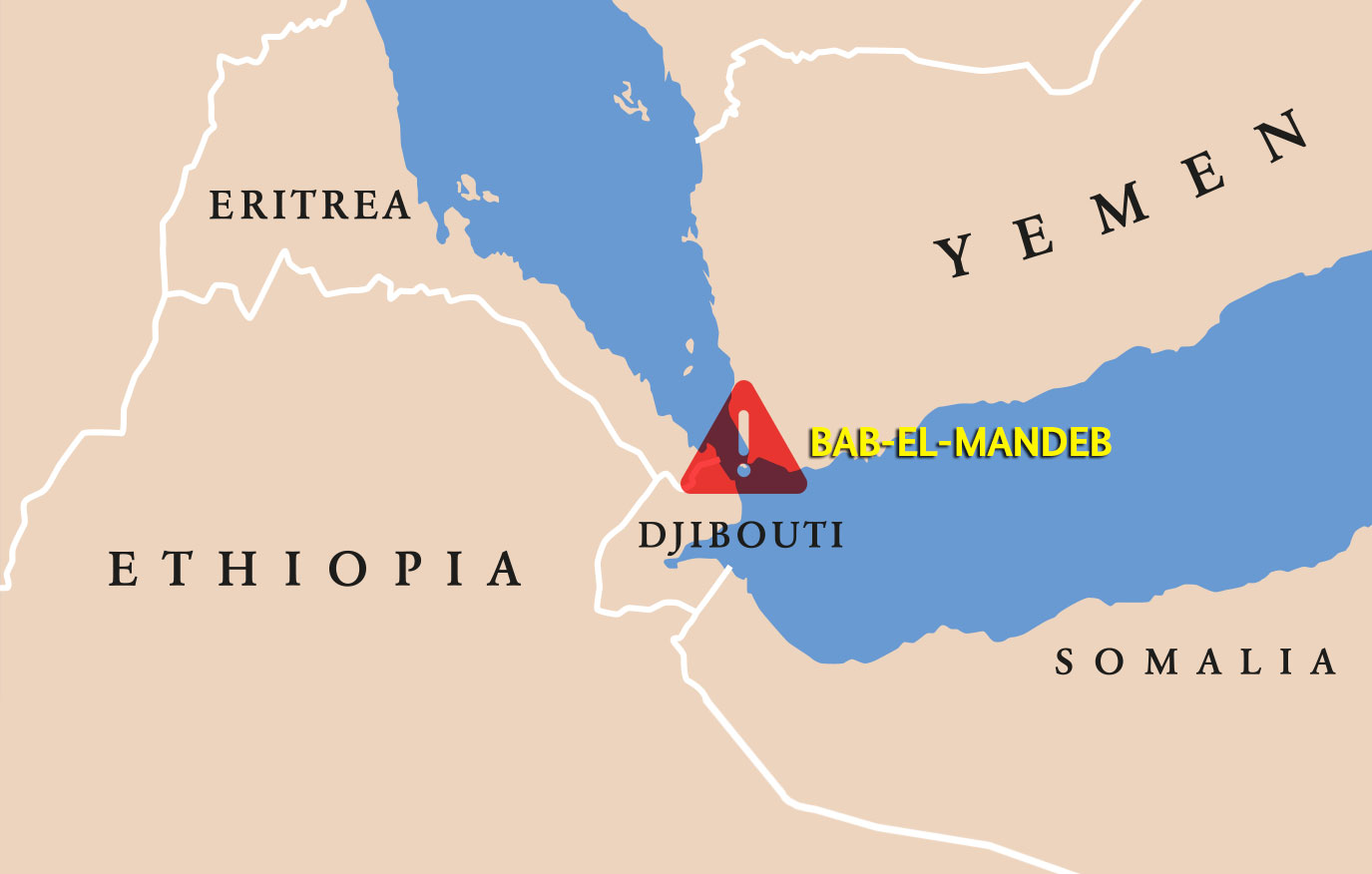
    1. Bab el-Mandeb

    Bab-el-Mandeb: Easy to cross? – Rumours about Germany
    1. Controls access between the Red Sea and Gulf of Aden
    2. Increasingly targeted by Houthi missile and drone strikes
    3. Threatens all shipping heading toward the Suez Canal

    2. Panama Canal (and Potential Alternatives)

    • Handles ~6% of global maritime trade
    • Vulnerable to climate impacts (drought already limiting ship transits)
    • Chinese-backed Nicaragua Canal plans could shift control dynamics

    3. Arctic Sea Lanes

    • Melting ice opens shorter shipping between Europe and Asia
    • Russia militarizing the Northern Sea Route with missile bases and icebreakers
    • Future conflict zone between NATO, Russia, and China

    4. Subsea Infrastructure Chokepoints

    • Undersea cables and pipelines often pass through narrow maritime corridors
    • Sabotage (like the Nord Stream incident) can cripple economies without touching ships

    IV. How Chokepoints Are Weaponized in Modern Strategy

    Blockade - Wikipedia
    1. Naval Blockade — Traditional interdiction of merchant shipping
    2. Mine Warfare — Cheap, persistent threat to deter transit
    3. Anti-Access/Area Denial (A2/AD) — Using missiles, aircraft, and drones to make passage too risky
    4. Legal Warfare — Declaring “security zones” under the guise of anti-piracy or environmental protection to control shipping
    5. Hybrid Disruption — Cyberattacks on port systems, GPS spoofing of vessels, or targeted attacks on shipping insurance

    V. Strategic Recommendations for Nations

    • Diversify Trade Routes: Invest in overland rail corridors to reduce maritime dependence
    • Chokepoint Bypass Projects: Pipelines, alternate canals, and new port infrastructure
    • Maritime Domain Awareness (MDA): Deploy satellites, drones, and sensor networks to monitor shipping lanes in real time
    • Covert Capability: Maintain mine-laying submarines, drone swarms, and legal maritime claims as deterrence tools
    • Coalition Naval Patrols: Joint task forces to secure vulnerable routes (like Operation Sentinel in Hormuz)

    VI. The Future: Chokepoints in 2035

    Expect to see:

    • Privatized Chokepoint Security — shipping companies hiring their own armed escort drones
    • AI Port Sabotage — cyber tools designed to cause cascading container misplacements and trade chaos
    • Arctic Militarization — a race to fortify northern shipping corridors
    • Insurance Warfare — states making shipping so risky that insurers refuse coverage, effectively halting trade
  • “Starvation as Strategy”: The Rise of Food Weaponization in Global Politics

    “Starvation as Strategy”: The Rise of Food Weaponization in Global Politics

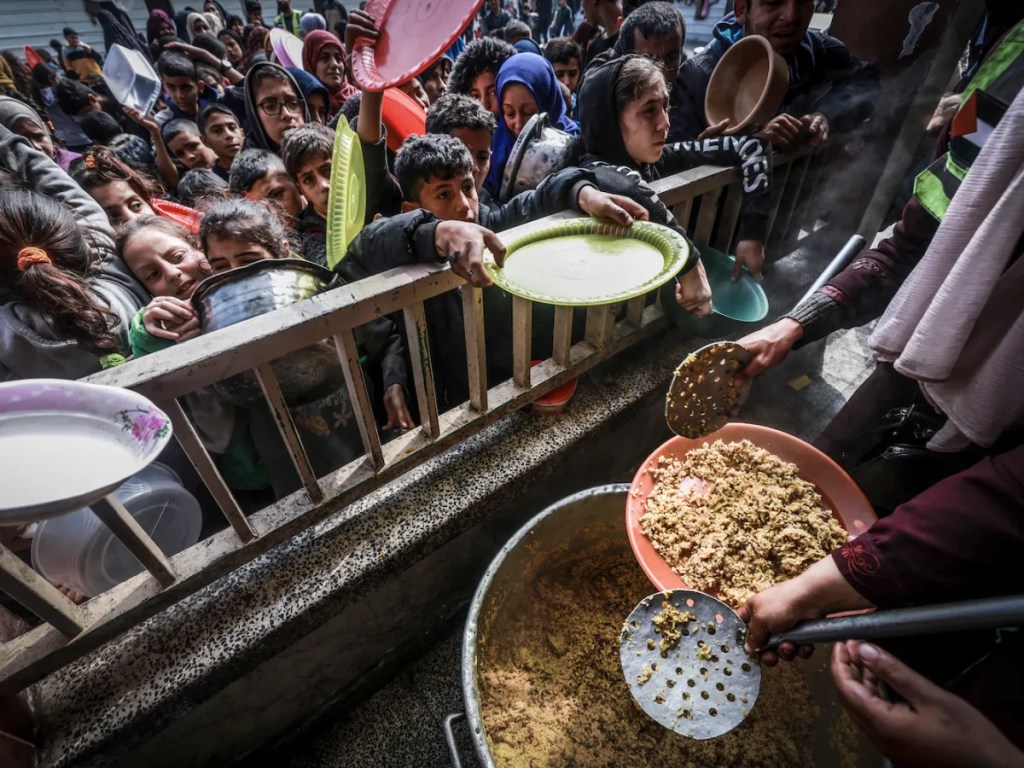
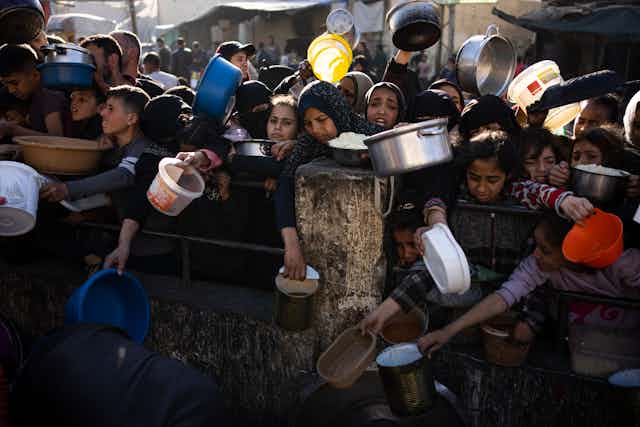
    Starvation is a weapon of war: Gazans are paying the price

    I. Why Food is Becoming a Military Asset

    For centuries, armies have “marched on their stomachs,” but in 2025, food isn’t just about sustaining troops — it’s about controlling entire populations and economies.

    Modern states have learned that starvation can be as effective as bullets in breaking resistance.


    Control the food supply, and you can:

    • Force political concessions
    • Collapse economies without firing a shot
    • Secure long-term dependency

    II. The Global Chokepoints of Food Supply

    1. Russia’s Grain Leverage

    SovEcon revises Russia wheat exports higher | World Grain
    • Russia and Ukraine together supply nearly 30% of global wheat exports
    • During the Ukraine war, Russia blocked Black Sea grain shipments, causing price spikes in Africa and the Middle East
    • Moscow used “grain diplomacy” to reward allies and punish critics

    2. China’s Farmland Empire

    • China has been buying or leasing farmland abroad — from Africa to South America
    • Secures long-term food security while leaving local populations dependent on Chinese-controlled supply chains

    3. U.S. and Allied Sanctions on Agricultural Inputs

    • Western states can restrict fertilizer, seed, and agrochemical exports to pressure adversaries
    • Targeting upstream inputs can cripple crop yields for multiple seasons

    III. How Food is Weaponized in Modern Geopolitics

    1. Export Bans and Embargoes

    • Limiting critical grain, rice, or soybean exports to create shortages
    • Example: India’s temporary wheat export ban in 2022 caused ripple effects across Asia

    2. Fertilizer Warfare

    • Restricting nitrogen, phosphorus, and potassium exports can cause multi-year food production crises
    • Russia and Belarus control large parts of the world’s potash supply

    3. Control of Seed Genetics

    • Countries can withhold high-yield GMO or hybrid seeds
    • Owning the intellectual property for climate-resilient crops can give leverage over food-insecure nations

    4. Supply Chain Disruption

    • Naval blockades, port seizures, and targeted cyberattacks on agricultural logistics networks

    IV. Strategic Risks of Food Weaponization

    • Humanitarian Backlash: Mass famine can trigger international condemnation — but often too late
    • Migration Crises: Food shortages fuel refugee flows, destabilizing entire regions
    • Shadow Markets: Blockades and shortages create black-market economies that empower criminal networks

    V. Strategic Recommendations for Nations

    1. Food Stockpile Diplomacy
      • Build large emergency reserves to both feed your population and use as a diplomatic tool
    2. Diversify Agricultural Imports
      • Reduce dependence on single suppliers for staple foods and fertilizers
    3. Invest in Climate-Resilient Agriculture
      • Develop drought-resistant crops and vertical farming to reduce vulnerability
    4. Agro-Intelligence Networks
      • Monitor global crop conditions, planting patterns, and shipping flows for early warning of shortages

    VI. The Future: Agricultural Warfare 2035

    Expect to see:

    • Geo-Agro Alliances — food-exporting nations forming strategic blocs
    • Seed Vault Militarization — securing genetic seed banks as national assets
    • AI Crop Prediction Warfare — using AI to manipulate futures markets and destabilize economies

  • Corporate Warriors: The New Face of Global Conflict

    Corporate Warriors: The New Face of Global Conflict

    I. From Medieval Soldiers-for-Hire to Modern Corporate Armies

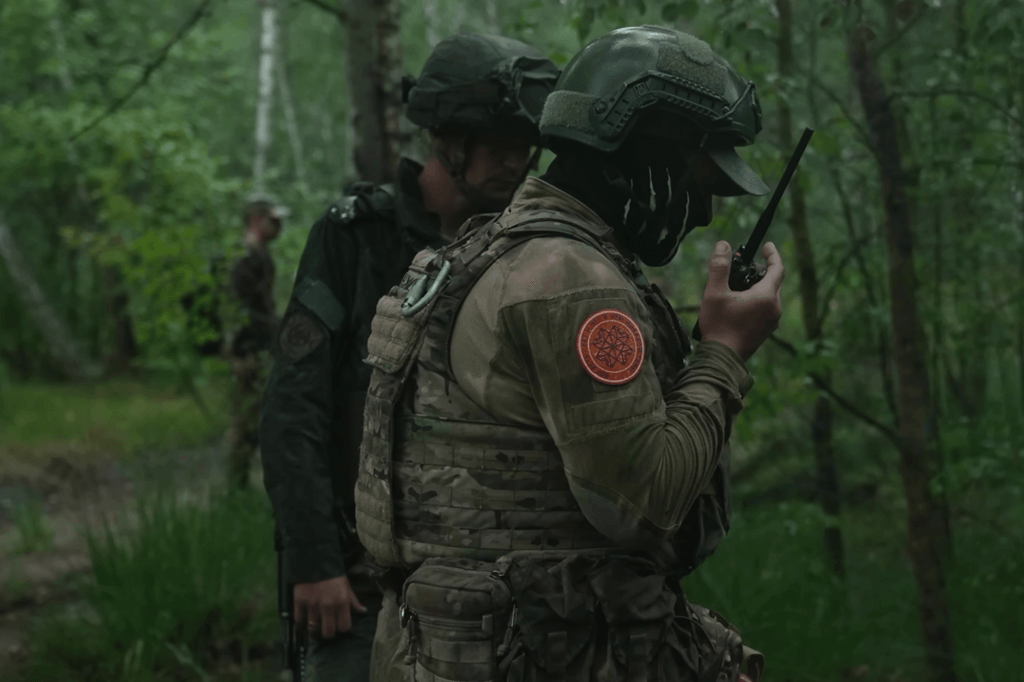
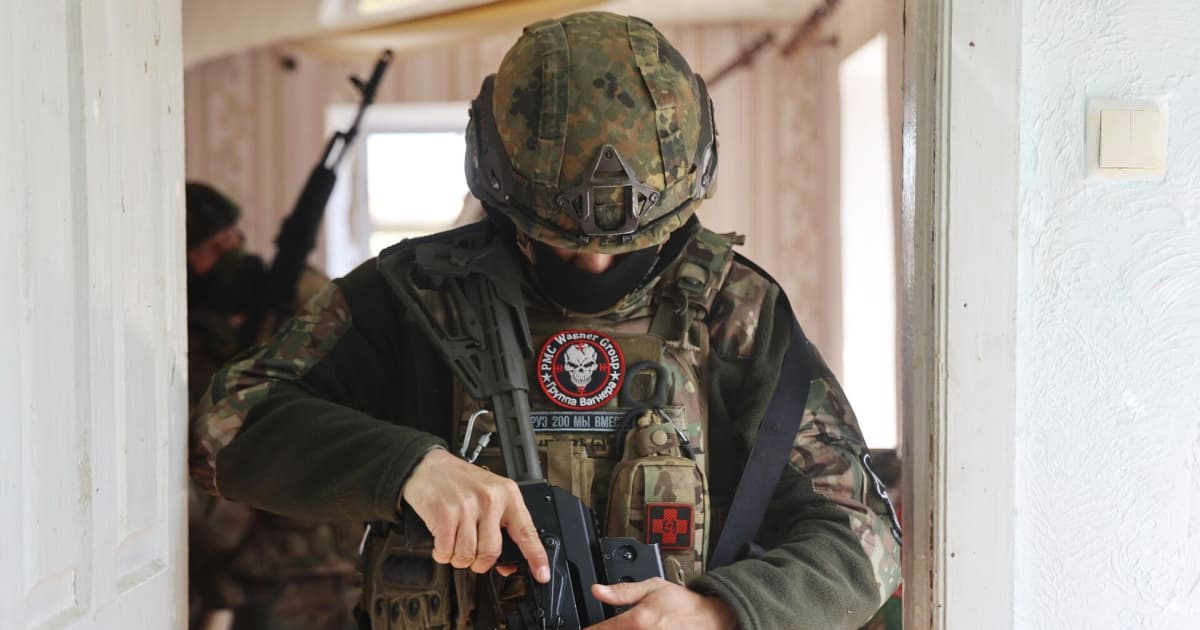
    Wagner becomes a unit of the Rosgvardia. What happened to the PMC after  Prigozhin's death? :: Свідомі

    Mercenaries are as old as war itself — from the Swiss Guards of the Renaissance to the Foreign Legion.

    But in 2025, Private Military Companies (PMCs) have evolved into corporate superpowers capable of influencing wars, toppling governments, and controlling resources — often without a single state soldier setting foot in combat.

    These are militaries without borders:

    • Answerable only to contracts, not constitutions
    • Funded by states, corporations, and sometimes criminal syndicates
    • Operating in the gray zone between legality and deniability

    II. The Big Players in Modern Mercenary Warfare

    1. Wagner Group (Russia)

    • Active in Ukraine, Syria, Libya, and across Africa
    • Controls mines and energy infrastructure in Central African Republic and Mali
    • Operates as an arm of Russian foreign policy while officially “private”

    2. Blackwater Successors (US)

    Constellis в X: „Are you ready for your next adventure? Visit  https://t.co/YmvFAEQCzw to learn about career opportunities and ways you  can join our team. https://t.co/YfX1xROhhf“ / X
    • Blackwater → Xe Services → Academi → part of Constellis
    • Specializes in high-end security, convoy protection, and training
    • Still active in Middle East security contracts

    3. STTEP International (South Africa)

    • Founded by Eeben Barlow, ex-Executive Outcomes
    • Known for rapid, aggressive counterinsurgency operations in Africa
    • Played a key role in Nigeria’s 2015 campaign against Boko Haram

    4. Chinese Private Security Firms

    • Deployed along Belt & Road Initiative routes
    • Protects Chinese-owned mines, ports, and railways in Africa and Asia
    • Often staffed by ex-People’s Liberation Army personnel

    III. Why Mercenaries Are So Attractive to States and Corporations

    • Deniability: States can wage war without political backlash
    • Cost-Effectiveness: No pensions, veterans’ benefits, or long-term commitments
    • Flexibility: Can operate in areas where state militaries legally or politically cannot
    • Revenue Generation: Some PMCs fund themselves by securing and exploiting resources

    IV. The New Mercenary Business Models

    1. Resource-Backed Operations

    • PMCs secure oil fields, mines, or rare earth deposits
    • Profits directly fund ongoing military operations

    2. “Military-as-a-Service”

    • Nations rent PMCs for training, counterterrorism, or entire combat campaigns

    3. Hybrid State-PMC Campaigns

    • Example: Russia’s use of Wagner alongside official military units in Ukraine
    • Blends conventional warfare with covert, deniable operations

    V. Strategic Risks of Mercenary Superpowers

    • Unregulated Warfare: No Geneva Convention oversight
    • Human Rights Abuses: Many operate in legal gray zones
    • State Dependency: Fragile governments outsourcing entire defense structures
    • Global Arms Black Markets: PMCs often recycle weapons between conflict zones

    VI. Strategic Recommendations for States

    1. Contract Oversight Mechanisms
      • Create binding international PMC registry and transparency standards
    2. Counter-Mercenary Units
      • Specialized military and intelligence teams trained to deal with PMC tactics
    3. National Defense Industrial Base
      • Reduce dependency by investing in local training and manufacturing
    4. Cyber & Legal Offensive Tools
      • Sanctions, asset freezes, and information warfare against rogue PMCs

    VII. The Future: Mercenary States?

    By 2035, it’s possible we’ll see:

    • Corporations with standing armies rivaling national forces
    • PMCs managing entire territories as quasi-feudal domains
    • A “Mercenary UN” — coalitions of PMCs bidding for peacekeeping contracts

    The line between state soldier and corporate warrior is disappearing — and in the wars of the future, the flag you fight under might be a logo.


  • Turkey: The Third Gulf Axis Of Power

    Turkey: The Third Gulf Axis Of Power

    Turkey Is Modernizing Its Military to Send Message to the Rest of NATO -  Business Insider

    I. Historical & Strategic Context

    Turkey has long viewed itself as a bridge between Europe, the Middle East, and Central Asia, but in recent years, it has evolved into a military-industrial powerhouse with global reach. No longer a passive NATO border state, Turkey under Erdoğan is increasingly projecting influence:

    • North Africa (Libya)
    • The Caucasus (Azerbaijan-Armenia war)
    • Levant and Gulf (Qatar, Iraq, Syria)
    • East Africa (Somalia, Red Sea bases)

    Strategic Shift: From reactive defense to neo-Ottoman influence projection, blending soft and hard power.

    II. Defense Industry as a Foreign Policy Weapon

    Turkey is one of the world’s top 10 arms exporters—a remarkable shift over the past decade. Key defense assets include:

    Bayraktar TB2 & Akinci Drones

    • Used in Libya, Syria, Nagorno-Karabakh, and Ukraine with lethal efficiency
    • Proven value: Affordable, modular, and swarm-capable
    • Exported to over 30 countries

    Domestic Naval Power

    ANALYSIS] TCG Anadolu: the most powerful warship and the flagship of the  Turkish Navy - Turkish Minute
    TCG Anadolu
    • TCG Anadolu: Turkey’s first aircraft carrier (drone carrier)
    • Development of homegrown submarines, corvettes, and missile boats
    • Naval projection into Red Sea and Gulf waters via bases in Qatar and Somalia

    Roketsan & ASELSAN Weapon Systems

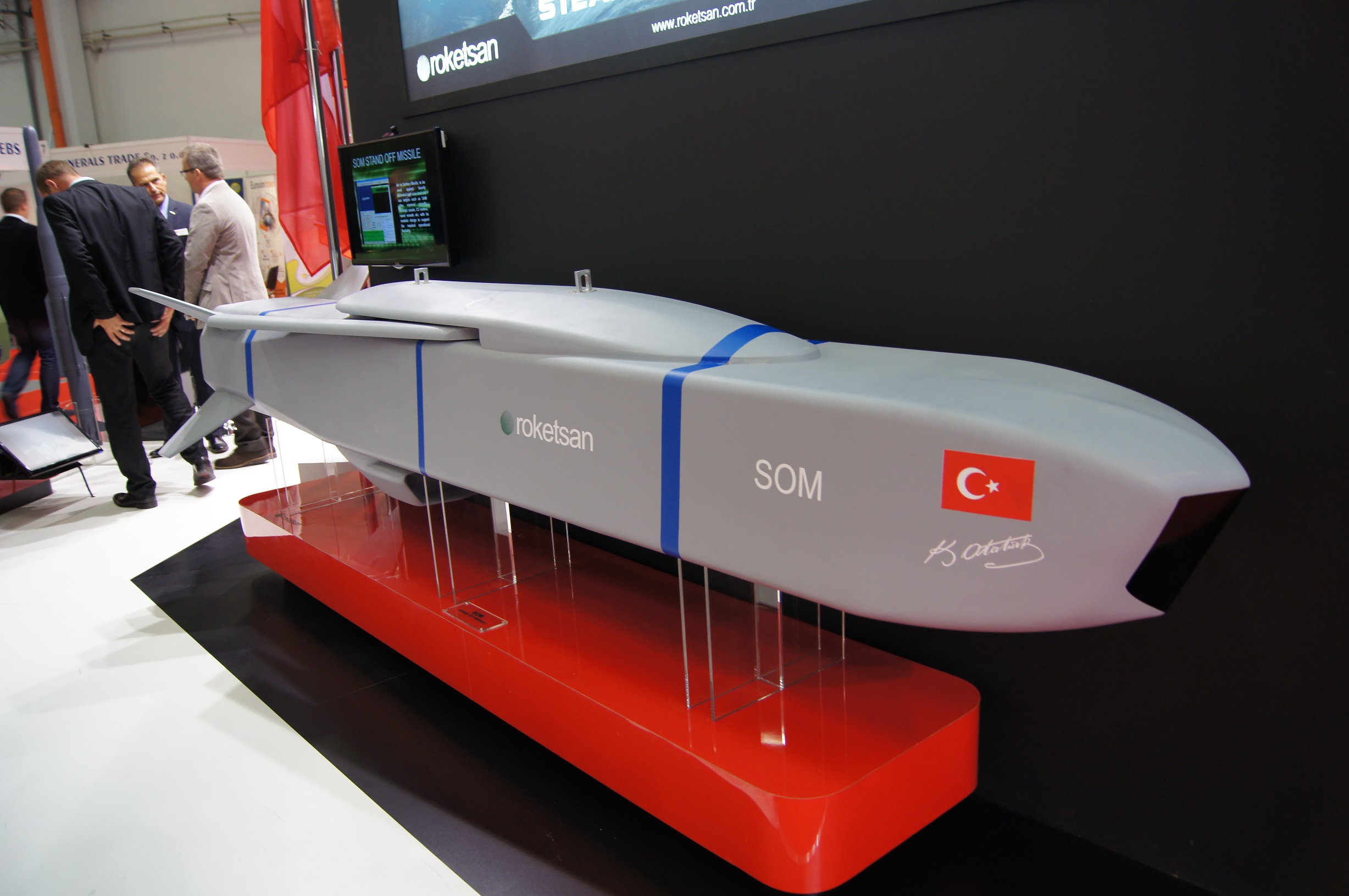
    • Indigenous missile tech (SOM cruise missiles, surface-to-air platforms)
    • Electronic warfare, SIGINT, and AI-based C4ISR platforms
    SOM (missile) - Wikipedia

    III. Turkey’s Military Footprint in the Gulf & Red Sea

    Qatar: The Core Gulf Ally

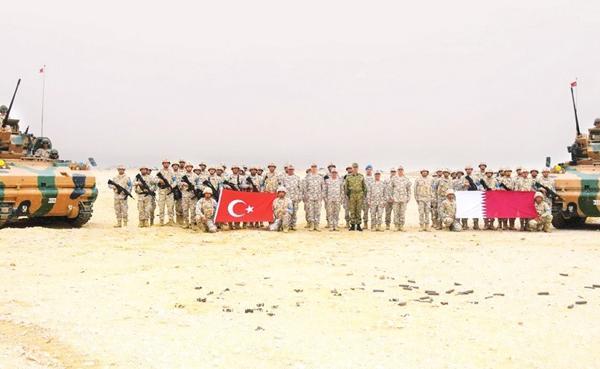
    New military base in Qatar to inaugurate in autumn - Türkiye News
    • Permanent Turkish base in Qatar (Tariq bin Ziyad Base) since the 2017 Gulf blockade
    • Trains Qatari military officers and provides a counterbalance to Saudi-UAE axis
    • Shared interests in Islamic soft power and Muslim Brotherhood-aligned networks

    Somalia & Horn of Africa

    • Camp TURKSOM: Largest Turkish overseas base, training Somali forces
    • Gateway to Red Sea, Indian Ocean routes, and Gulf of Aden chokepoints
    • Turkey is viewed by local governments as an alternative to Western and Chinese influence

    Levant & Iraq

    • Deep involvement in northern Iraq operations (anti-PKK) and northern Syria
    • Construction of semi-permanent military zones near Mosul and Afrin
    • Facilitates indirect influence over Kurdish and Shia corridors leading into Iran and the Gulf

    IV. Strategic Military Doctrine: Asymmetric, Exportable, Agile

    Turkey’s emerging doctrine can be summarized as “Agile Strategic Presence”:

    • Exportable Firepower: Drones, missiles, and electronic systems designed for “plug-and-play” use by allies and proxies
    • Hybrid Warfare: Combines conventional operations with proxies (e.g., Syrian militias), drones, cyber ops, and psychological warfare
    • Strategic Basing: Establishing forward bases without requiring full occupation—training partners, guarding ports, building schools and airfields

    V. Strategic Recommendations: How Turkey Can Solidify Gulf Influence

    1. Expand Naval Presence into Western Gulf
      • Leverage Qatar to co-develop naval facilities
      • Introduce drone naval platforms in Hormuz-Red Sea corridor
    2. Create a Turkish-Gulf Defense Education Exchange
      • Offer military academies in Africa and Asia under Turkish branding
      • Counterbalance Western training programs with Islamic-friendly curriculum
    3. Cyber-Islamic Coalition
      • Build digital alliances with Muslim-majority countries (Malaysia, Indonesia, Pakistan) using shared AI, cyberdefense, and drone doctrine
      • Present this as a “non-aligned Islamic defense bloc”
    4. Weaponize Infrastructure
      • Package military presence with hospitals, mosques, infrastructure deals
      • Lock in multi-domain loyalty among unstable regimes (Sudan, Djibouti, Libya)

    Table comparison with UAE & Saudi Arabia

    DimensionTurkeyUAESaudi Arabia
    Military DoctrineAgile & Hybrid WarfareTech-first asymmetric deterrenceStrategic autonomy, conventional
    Regional AllyQatar, SomaliaEgypt, Jordan, Israel (informal)Pakistan, Egypt, Jordan
    Defense IndustryDrones, missiles, navalDrones, EW, AI weaponsLand vehicles, missiles, MRO
    Influence MethodProxy warfare + soft powerTech diplomacy + trainingArms deals + economic leverage

    Sidenote: Hi guys, im trying my best to pump out the content. Life has been hectic lately.