Tag: reader

  • “Strait Power”: How Controlling Sea Lanes Shapes Global Strategy

    “Strait Power”: How Controlling Sea Lanes Shapes Global Strategy

    I. Why Maritime Chokepoints Are the Real Pressure Points of Global Power

    Ship Traffic Through Suez Canal Down 20% Due To Houthi

    While missile technology and cyber warfare grab headlines, control of the sea lanes remains one of the most decisive levers in geopolitics. Over 80% of world trade by volume moves by sea, and much of it passes through a handful of narrow straits and canals.

    Choke off one of these routes, and you can:

    • Cripple rival economies in weeks
    • Disrupt global supply chains overnight
    • Force military concessions without firing a shot

    II. The Classic Chokepoints — and Their Vulnerabilities

    1. Strait of Malacca

    • Handles ~25% of all global trade, connecting the Indian and Pacific Oceans
    • Narrowest point only 1.7 miles wide
    • Vulnerable to piracy, naval mines, and submarine ambushes
    • China’s “Malacca Dilemma” — almost 80% of its oil imports pass here

    2. Strait of Hormuz

    Why is the Strait of Hormuz critical for India? - Rau's IAS
    • Vital for ~20% of global oil supply
    • Iran has repeatedly threatened closure during tensions
    • Can be shut down with small, fast missile boats and layered minefields

    3. Suez Canal

    • Shortcut between Europe and Asia — closure adds ~10 days of sailing
    • Ever Given blockage in 2021 showed how fragile the route is
    • Strategic for both trade and naval mobility

    III. The New Chokepoints Emerging in the 21st Century

    1. Bab el-Mandeb
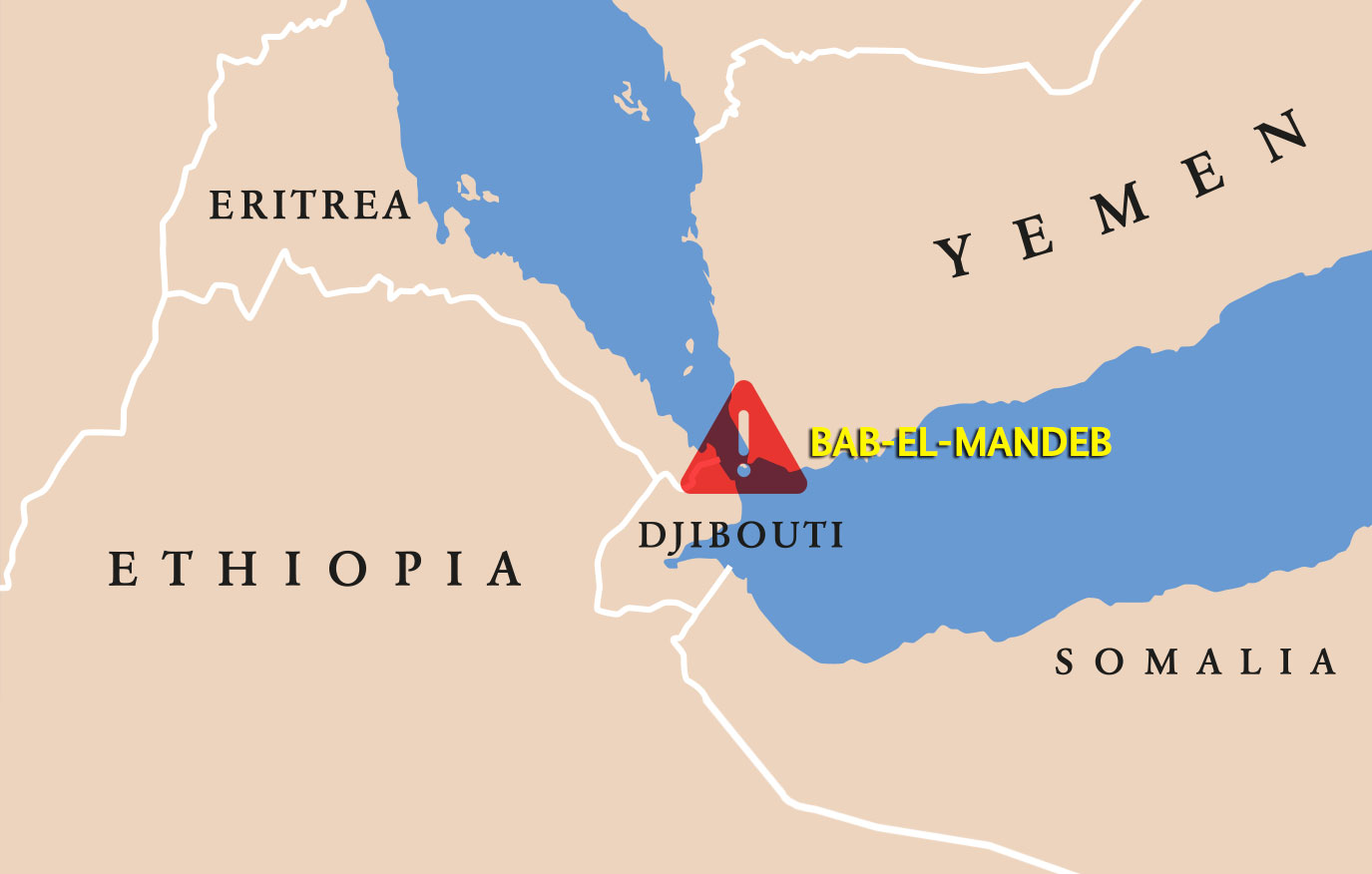
    Bab-el-Mandeb: Easy to cross? – Rumours about Germany
    1. Controls access between the Red Sea and Gulf of Aden
    2. Increasingly targeted by Houthi missile and drone strikes
    3. Threatens all shipping heading toward the Suez Canal

    2. Panama Canal (and Potential Alternatives)

    • Handles ~6% of global maritime trade
    • Vulnerable to climate impacts (drought already limiting ship transits)
    • Chinese-backed Nicaragua Canal plans could shift control dynamics

    3. Arctic Sea Lanes

    • Melting ice opens shorter shipping between Europe and Asia
    • Russia militarizing the Northern Sea Route with missile bases and icebreakers
    • Future conflict zone between NATO, Russia, and China

    4. Subsea Infrastructure Chokepoints

    • Undersea cables and pipelines often pass through narrow maritime corridors
    • Sabotage (like the Nord Stream incident) can cripple economies without touching ships

    IV. How Chokepoints Are Weaponized in Modern Strategy

    Blockade - Wikipedia
    1. Naval Blockade — Traditional interdiction of merchant shipping
    2. Mine Warfare — Cheap, persistent threat to deter transit
    3. Anti-Access/Area Denial (A2/AD) — Using missiles, aircraft, and drones to make passage too risky
    4. Legal Warfare — Declaring “security zones” under the guise of anti-piracy or environmental protection to control shipping
    5. Hybrid Disruption — Cyberattacks on port systems, GPS spoofing of vessels, or targeted attacks on shipping insurance

    V. Strategic Recommendations for Nations

    • Diversify Trade Routes: Invest in overland rail corridors to reduce maritime dependence
    • Chokepoint Bypass Projects: Pipelines, alternate canals, and new port infrastructure
    • Maritime Domain Awareness (MDA): Deploy satellites, drones, and sensor networks to monitor shipping lanes in real time
    • Covert Capability: Maintain mine-laying submarines, drone swarms, and legal maritime claims as deterrence tools
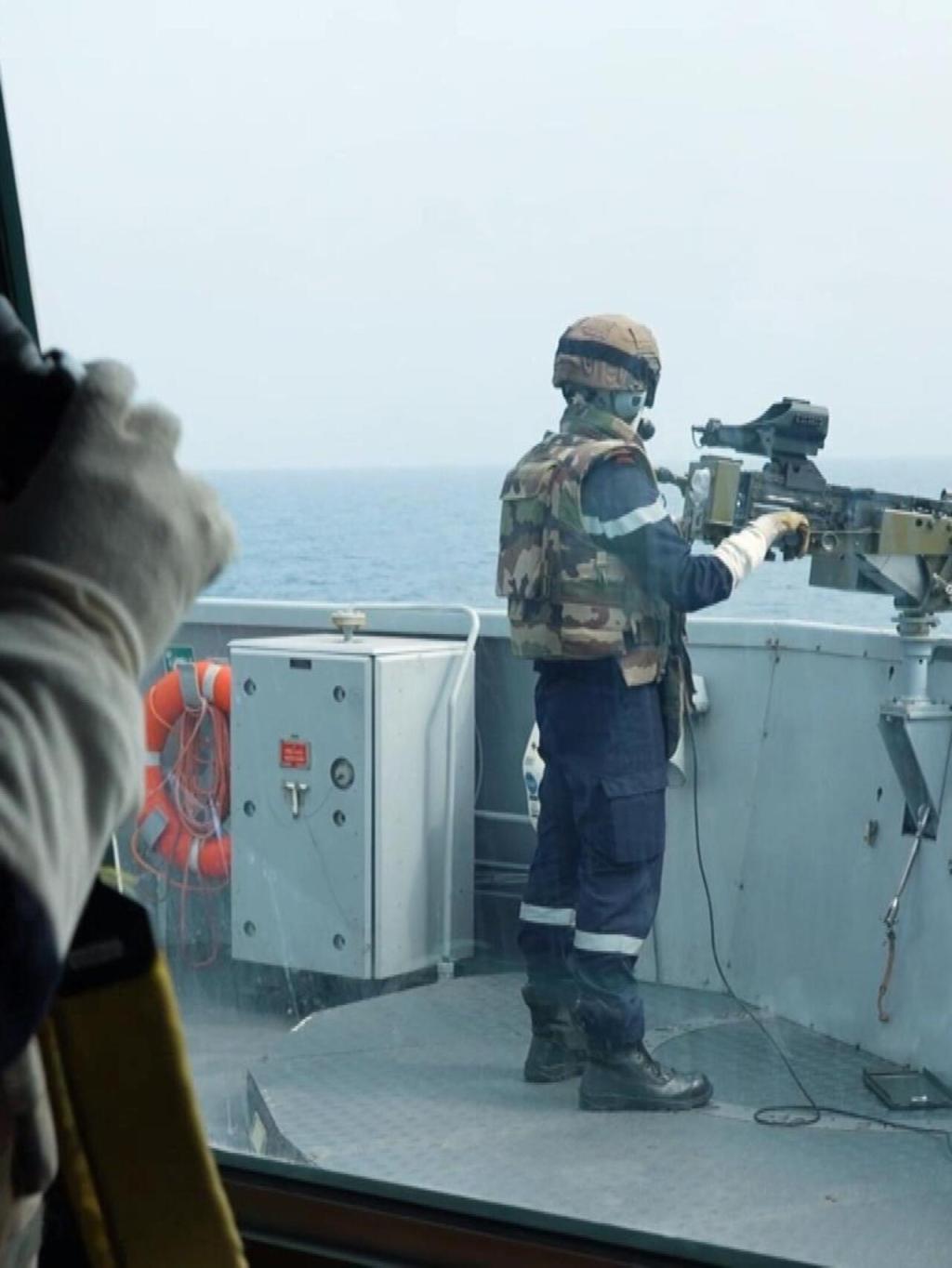
    • Coalition Naval Patrols: Joint task forces to secure vulnerable routes (like Operation Sentinel in Hormuz)

    VI. The Future: Chokepoints in 2035

    Expect to see:

    • Privatized Chokepoint Security — shipping companies hiring their own armed escort drones
    • AI Port Sabotage — cyber tools designed to cause cascading container misplacements and trade chaos
    • Arctic Militarization — a race to fortify northern shipping corridors
    • Insurance Warfare — states making shipping so risky that insurers refuse coverage, effectively halting trade
  • “Starvation as Strategy”: The Rise of Food Weaponization in Global Politics

    “Starvation as Strategy”: The Rise of Food Weaponization in Global Politics

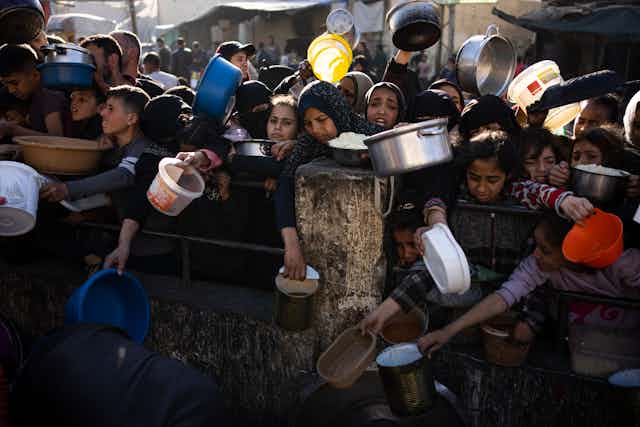
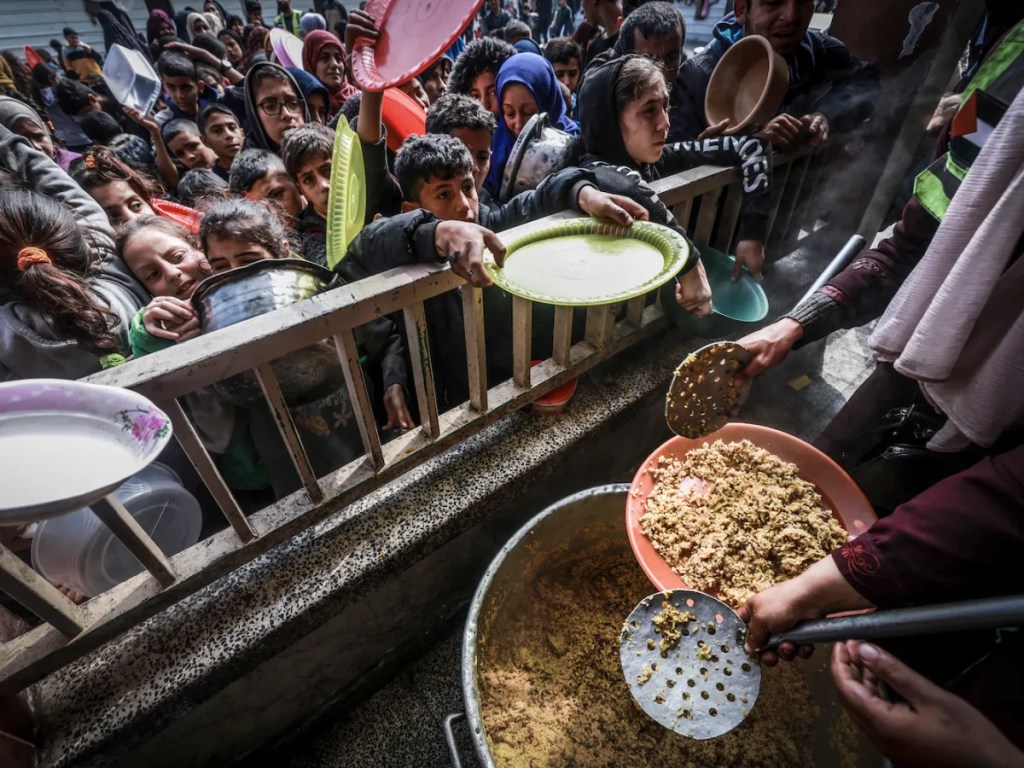
    Starvation is a weapon of war: Gazans are paying the price

    I. Why Food is Becoming a Military Asset

    For centuries, armies have “marched on their stomachs,” but in 2025, food isn’t just about sustaining troops — it’s about controlling entire populations and economies.

    Modern states have learned that starvation can be as effective as bullets in breaking resistance.


    Control the food supply, and you can:

    • Force political concessions
    • Collapse economies without firing a shot
    • Secure long-term dependency

    II. The Global Chokepoints of Food Supply

    1. Russia’s Grain Leverage

    SovEcon revises Russia wheat exports higher | World Grain
    • Russia and Ukraine together supply nearly 30% of global wheat exports
    • During the Ukraine war, Russia blocked Black Sea grain shipments, causing price spikes in Africa and the Middle East
    • Moscow used “grain diplomacy” to reward allies and punish critics

    2. China’s Farmland Empire

    • China has been buying or leasing farmland abroad — from Africa to South America
    • Secures long-term food security while leaving local populations dependent on Chinese-controlled supply chains

    3. U.S. and Allied Sanctions on Agricultural Inputs

    • Western states can restrict fertilizer, seed, and agrochemical exports to pressure adversaries
    • Targeting upstream inputs can cripple crop yields for multiple seasons

    III. How Food is Weaponized in Modern Geopolitics

    1. Export Bans and Embargoes

    • Limiting critical grain, rice, or soybean exports to create shortages
    • Example: India’s temporary wheat export ban in 2022 caused ripple effects across Asia

    2. Fertilizer Warfare

    • Restricting nitrogen, phosphorus, and potassium exports can cause multi-year food production crises
    • Russia and Belarus control large parts of the world’s potash supply

    3. Control of Seed Genetics

    • Countries can withhold high-yield GMO or hybrid seeds
    • Owning the intellectual property for climate-resilient crops can give leverage over food-insecure nations

    4. Supply Chain Disruption

    • Naval blockades, port seizures, and targeted cyberattacks on agricultural logistics networks

    IV. Strategic Risks of Food Weaponization

    • Humanitarian Backlash: Mass famine can trigger international condemnation — but often too late
    • Migration Crises: Food shortages fuel refugee flows, destabilizing entire regions
    • Shadow Markets: Blockades and shortages create black-market economies that empower criminal networks

    V. Strategic Recommendations for Nations

    1. Food Stockpile Diplomacy
      • Build large emergency reserves to both feed your population and use as a diplomatic tool
    2. Diversify Agricultural Imports
      • Reduce dependence on single suppliers for staple foods and fertilizers
    3. Invest in Climate-Resilient Agriculture
      • Develop drought-resistant crops and vertical farming to reduce vulnerability
    4. Agro-Intelligence Networks
      • Monitor global crop conditions, planting patterns, and shipping flows for early warning of shortages

    VI. The Future: Agricultural Warfare 2035

    Expect to see:

    • Geo-Agro Alliances — food-exporting nations forming strategic blocs
    • Seed Vault Militarization — securing genetic seed banks as national assets
    • AI Crop Prediction Warfare — using AI to manipulate futures markets and destabilize economies

  • Corporate Warriors: The New Face of Global Conflict

    Corporate Warriors: The New Face of Global Conflict

    I. From Medieval Soldiers-for-Hire to Modern Corporate Armies

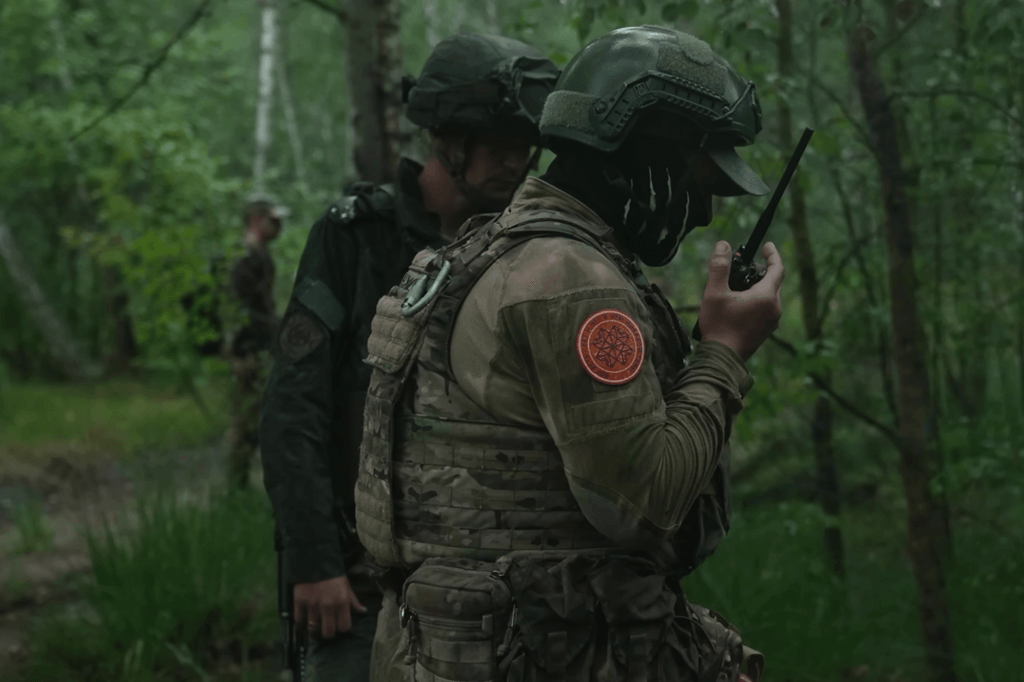
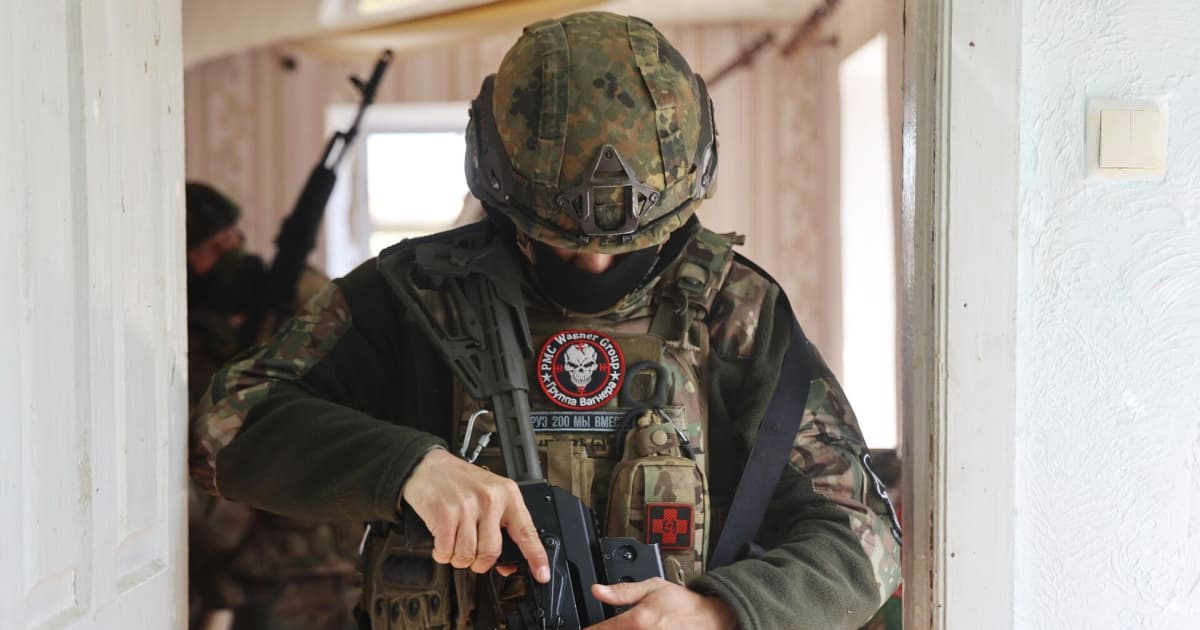
    Wagner becomes a unit of the Rosgvardia. What happened to the PMC after  Prigozhin's death? :: Свідомі

    Mercenaries are as old as war itself — from the Swiss Guards of the Renaissance to the Foreign Legion.

    But in 2025, Private Military Companies (PMCs) have evolved into corporate superpowers capable of influencing wars, toppling governments, and controlling resources — often without a single state soldier setting foot in combat.

    These are militaries without borders:

    • Answerable only to contracts, not constitutions
    • Funded by states, corporations, and sometimes criminal syndicates
    • Operating in the gray zone between legality and deniability

    II. The Big Players in Modern Mercenary Warfare

    1. Wagner Group (Russia)

    • Active in Ukraine, Syria, Libya, and across Africa
    • Controls mines and energy infrastructure in Central African Republic and Mali
    • Operates as an arm of Russian foreign policy while officially “private”

    2. Blackwater Successors (US)

    Constellis в X: „Are you ready for your next adventure? Visit  https://t.co/YmvFAEQCzw to learn about career opportunities and ways you  can join our team. https://t.co/YfX1xROhhf“ / X
    • Blackwater → Xe Services → Academi → part of Constellis
    • Specializes in high-end security, convoy protection, and training
    • Still active in Middle East security contracts

    3. STTEP International (South Africa)

    • Founded by Eeben Barlow, ex-Executive Outcomes
    • Known for rapid, aggressive counterinsurgency operations in Africa
    • Played a key role in Nigeria’s 2015 campaign against Boko Haram

    4. Chinese Private Security Firms

    • Deployed along Belt & Road Initiative routes
    • Protects Chinese-owned mines, ports, and railways in Africa and Asia
    • Often staffed by ex-People’s Liberation Army personnel

    III. Why Mercenaries Are So Attractive to States and Corporations

    • Deniability: States can wage war without political backlash
    • Cost-Effectiveness: No pensions, veterans’ benefits, or long-term commitments
    • Flexibility: Can operate in areas where state militaries legally or politically cannot
    • Revenue Generation: Some PMCs fund themselves by securing and exploiting resources

    IV. The New Mercenary Business Models

    1. Resource-Backed Operations

    • PMCs secure oil fields, mines, or rare earth deposits
    • Profits directly fund ongoing military operations

    2. “Military-as-a-Service”

    • Nations rent PMCs for training, counterterrorism, or entire combat campaigns

    3. Hybrid State-PMC Campaigns

    • Example: Russia’s use of Wagner alongside official military units in Ukraine
    • Blends conventional warfare with covert, deniable operations

    V. Strategic Risks of Mercenary Superpowers

    • Unregulated Warfare: No Geneva Convention oversight
    • Human Rights Abuses: Many operate in legal gray zones
    • State Dependency: Fragile governments outsourcing entire defense structures
    • Global Arms Black Markets: PMCs often recycle weapons between conflict zones

    VI. Strategic Recommendations for States

    1. Contract Oversight Mechanisms
      • Create binding international PMC registry and transparency standards
    2. Counter-Mercenary Units
      • Specialized military and intelligence teams trained to deal with PMC tactics
    3. National Defense Industrial Base
      • Reduce dependency by investing in local training and manufacturing
    4. Cyber & Legal Offensive Tools
      • Sanctions, asset freezes, and information warfare against rogue PMCs

    VII. The Future: Mercenary States?

    By 2035, it’s possible we’ll see:

    • Corporations with standing armies rivaling national forces
    • PMCs managing entire territories as quasi-feudal domains
    • A “Mercenary UN” — coalitions of PMCs bidding for peacekeeping contracts

    The line between state soldier and corporate warrior is disappearing — and in the wars of the future, the flag you fight under might be a logo.


  • Turkey: The Third Gulf Axis Of Power

    Turkey: The Third Gulf Axis Of Power

    Turkey Is Modernizing Its Military to Send Message to the Rest of NATO -  Business Insider

    I. Historical & Strategic Context

    Turkey has long viewed itself as a bridge between Europe, the Middle East, and Central Asia, but in recent years, it has evolved into a military-industrial powerhouse with global reach. No longer a passive NATO border state, Turkey under Erdoğan is increasingly projecting influence:

    • North Africa (Libya)
    • The Caucasus (Azerbaijan-Armenia war)
    • Levant and Gulf (Qatar, Iraq, Syria)
    • East Africa (Somalia, Red Sea bases)

    Strategic Shift: From reactive defense to neo-Ottoman influence projection, blending soft and hard power.

    II. Defense Industry as a Foreign Policy Weapon

    Turkey is one of the world’s top 10 arms exporters—a remarkable shift over the past decade. Key defense assets include:

    Bayraktar TB2 & Akinci Drones

    • Used in Libya, Syria, Nagorno-Karabakh, and Ukraine with lethal efficiency
    • Proven value: Affordable, modular, and swarm-capable
    • Exported to over 30 countries

    Domestic Naval Power

    ANALYSIS] TCG Anadolu: the most powerful warship and the flagship of the  Turkish Navy - Turkish Minute
    TCG Anadolu
    • TCG Anadolu: Turkey’s first aircraft carrier (drone carrier)
    • Development of homegrown submarines, corvettes, and missile boats
    • Naval projection into Red Sea and Gulf waters via bases in Qatar and Somalia

    Roketsan & ASELSAN Weapon Systems

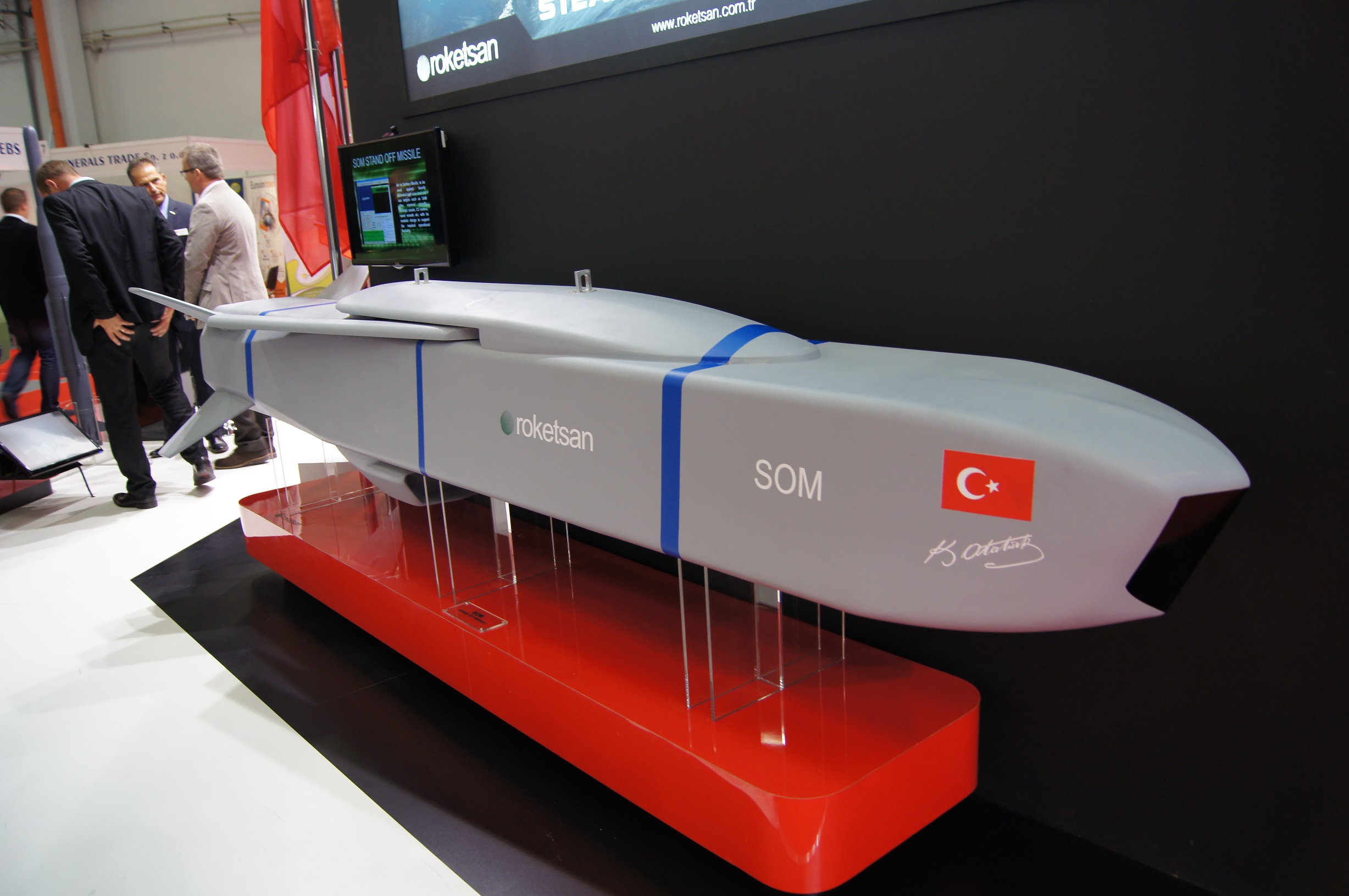
    • Indigenous missile tech (SOM cruise missiles, surface-to-air platforms)
    • Electronic warfare, SIGINT, and AI-based C4ISR platforms
    SOM (missile) - Wikipedia

    III. Turkey’s Military Footprint in the Gulf & Red Sea

    Qatar: The Core Gulf Ally

    New military base in Qatar to inaugurate in autumn - Türkiye News
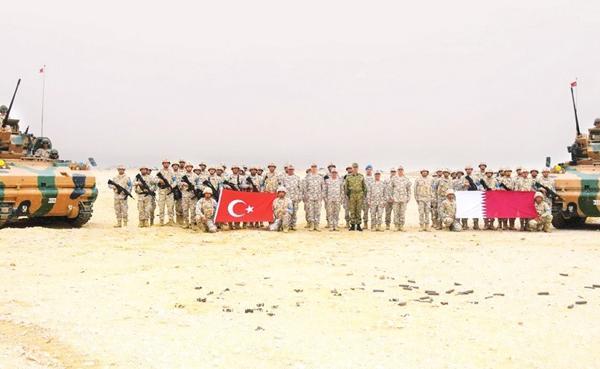
    • Permanent Turkish base in Qatar (Tariq bin Ziyad Base) since the 2017 Gulf blockade
    • Trains Qatari military officers and provides a counterbalance to Saudi-UAE axis
    • Shared interests in Islamic soft power and Muslim Brotherhood-aligned networks

    Somalia & Horn of Africa

    • Camp TURKSOM: Largest Turkish overseas base, training Somali forces
    • Gateway to Red Sea, Indian Ocean routes, and Gulf of Aden chokepoints
    • Turkey is viewed by local governments as an alternative to Western and Chinese influence

    Levant & Iraq

    • Deep involvement in northern Iraq operations (anti-PKK) and northern Syria
    • Construction of semi-permanent military zones near Mosul and Afrin
    • Facilitates indirect influence over Kurdish and Shia corridors leading into Iran and the Gulf

    IV. Strategic Military Doctrine: Asymmetric, Exportable, Agile

    Turkey’s emerging doctrine can be summarized as “Agile Strategic Presence”:

    • Exportable Firepower: Drones, missiles, and electronic systems designed for “plug-and-play” use by allies and proxies
    • Hybrid Warfare: Combines conventional operations with proxies (e.g., Syrian militias), drones, cyber ops, and psychological warfare
    • Strategic Basing: Establishing forward bases without requiring full occupation—training partners, guarding ports, building schools and airfields

    V. Strategic Recommendations: How Turkey Can Solidify Gulf Influence

    1. Expand Naval Presence into Western Gulf
      • Leverage Qatar to co-develop naval facilities
      • Introduce drone naval platforms in Hormuz-Red Sea corridor
    2. Create a Turkish-Gulf Defense Education Exchange
      • Offer military academies in Africa and Asia under Turkish branding
      • Counterbalance Western training programs with Islamic-friendly curriculum
    3. Cyber-Islamic Coalition
      • Build digital alliances with Muslim-majority countries (Malaysia, Indonesia, Pakistan) using shared AI, cyberdefense, and drone doctrine
      • Present this as a “non-aligned Islamic defense bloc”
    4. Weaponize Infrastructure
      • Package military presence with hospitals, mosques, infrastructure deals
      • Lock in multi-domain loyalty among unstable regimes (Sudan, Djibouti, Libya)

    Table comparison with UAE & Saudi Arabia

    DimensionTurkeyUAESaudi Arabia
    Military DoctrineAgile & Hybrid WarfareTech-first asymmetric deterrenceStrategic autonomy, conventional
    Regional AllyQatar, SomaliaEgypt, Jordan, Israel (informal)Pakistan, Egypt, Jordan
    Defense IndustryDrones, missiles, navalDrones, EW, AI weaponsLand vehicles, missiles, MRO
    Influence MethodProxy warfare + soft powerTech diplomacy + trainingArms deals + economic leverage

    Sidenote: Hi guys, im trying my best to pump out the content. Life has been hectic lately.