I) What is “economic warfare” (and why it matters now)
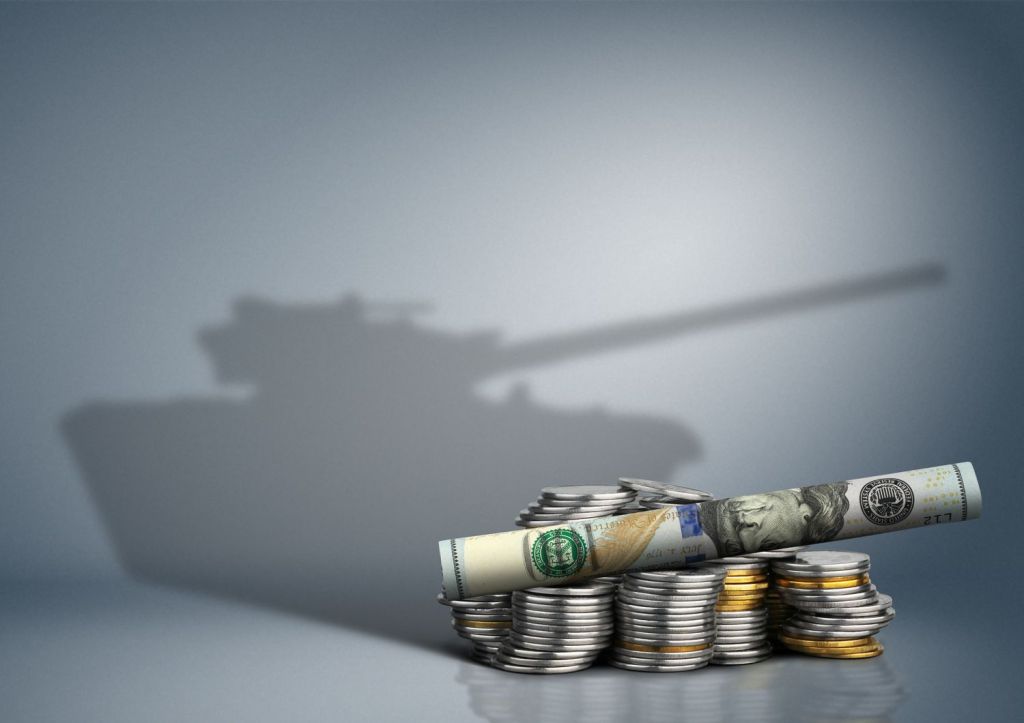
Economic warfare is the coercive use of finance, trade, and commodities to force political change without crossing into open war. It works by targeting a rival’s cashflows, credit, and critical inputs, raising their costs and lowering their room to maneuver—often faster and cheaper than kinetic operations.
Modern levers
- Financial plumbing (SWIFT access, clearing in reserve currencies)
- Asset freezes & sovereign reserve seizures
- Trade embargoes, export controls & tech bans
- Price caps, shipping/insurance restrictions
- Secondary sanctions (threaten third parties who help the target)
- Commodity leverage (energy, food, critical minerals)
- Info/cyber actions against payment, port and logistics systems
II) The big tools—how they work in practice
1) Freeze the war chest
The G7/EU/Australia froze ~€300B ($300–330B) of Russia’s central bank reserves in 2022; most are immobilized in Europe (notably at Euroclear). This starves the state of liquid FX and signals high risk for aggressors. ConsiliumBrookings
2) Kick banks off SWIFT / dollar rails
Dozens of Russian and Belarusian banks were cut from SWIFT’s messaging system, complicating cross-border payments and compliance for counterparties globally. SWIFT isn’t money—it’s the address book and traffic system—but restricting it raises frictions and detection risks. ConsiliumSwift
3) Price caps & embargoes
The EU import bans plus the G7 oil price cap aimed to keep oil flowing but compress Moscow’s margins. Empirical work shows Russia accepted a ~$32/bbl Urals discount in March 2023 vs. pre-war benchmarks; enforcement and market adaptation later narrowed that gap. dallasfed.orgDAVID S. RAPSON
4) Secondary sanctions (compliance shockwaves)
Recent U.S. guidance widened exposure for foreign financial institutions dealing with Russia’s military-industrial base—raising risk for banks outside sanctioning countries and forcing de-risking. OFACHolland & Knight
5) Weaponizing commodities
Cutting or throttling pipeline gas to Europe in 2022 amplified price spikes and volatility; IEA data show European gas price volatility hit record highs in 2022 and remained elevated in 2024. IEA
III) Case study: Russia 2022–2025—what worked, what didn’t
What bit hard
- Reserves immobilized (~€300B): credible, durable constraint on sovereign liquidity. ConsiliumBrookings
- Banking/tech bans: curtailed high-end imports and finance; forced costly workarounds. Consilium
- Embargo + cap (early phase): pushed Urals discounts sharply wider through 2023. dallasfed.org
How Moscow adapted
- Shadow fleet & opaque routing kept oil moving and eroded the cap’s bite over time; enforcement must constantly chase fast-evolving evasion. AP News
- Pivot to Asia & domestic substitution reduced vulnerability to Europe; gas by pipeline collapsed, but LNG and alternative markets partially offset. Reuters
Macro signal
- Despite near-term resilience, war-driven growth strains are visible: inflation pressure, labor shortages, and capacity bottlenecks in the militarized economy. (Good expert syntheses highlight these late-cycle costs.) Financial Times
IV) The “plumbing” advantage: why the dollar still dominates
Sanctions work best when you control funding currencies, clearing, and legal jurisdiction. The U.S. dollar remains the top invoicing, funding, and reserve currency (≈58% of disclosed reserves in 2024), magnifying U.S.-led measures. The euro is a distant second; RMB’s reserve share remains low. Federal ReserveBank for International Settlements
V) Collateral damage, limits, and backlash
- Leakage via non-participants: When big third countries don’t join, targets reroute trade and blunt the blow (classic “sanctions substitution” effect). Government of Canada Publications
- Market volatility: Energy and food price spikes can boomerang onto sanctioning states. IEA
- Effectiveness is mixed: Broad literature finds sanctions hurt GDP and trade but political outcomes vary; humanitarian trade-offs are real. ifo Institut
- De-risking from Western finance: Freezing sovereign reserves is powerful—but encourages reserve diversification and non-dollar rails exploration over time. IMF
VI) Playbooks: how to use and survive economic warfare
A) For sanctioning coalitions (offense)
- Target cashflows, not just symbols
- Focus on revenue engines (oil, gas, metals, shipping insurance, freight finance). Back it with live analytics on volumes, prices, and discount spreads. dallasfed.org
- Enforcement architecture
- Stand up a joint task force that tracks ships (AIS anomalies), insurers, re-flags, and port calls; rapidly sanction enablers (traders, shippers, banks). Use secondary sanctions to deter third-party financing. OFACHolland & Knight
- Precision export controls
- Starve the target’s military-industrial inputs (CNC tools, advanced chips, optics), not everyday goods; build customs risk scores to cut leakage.
- Insure allies against blowback
- Stabilize energy and food with buffer stocks, swaps, and emergency LNG charters to keep publics onside. IEA
- Legal & narrative prep
- Publish transparent evidence of violations and humanitarian carve-outs; keep courts, insurers, and neutral states aligned.
B) For targeted or vulnerable states (defense)
- Reserve architecture 2.0
- Diversify custodians and currencies; keep a portion of reserves in gold at home and friendly jurisdictions; pre-arrange swap lines with partners. (Context: dollar dominance persists, but geography of custody matters.) Federal Reserve
- Commodity resilience
- Build strategic stocks (diesel, fertilizers, food staples); secure alternative suppliers and long-term charters for critical shipping.
- Payments fallback
- Ready a non-SWIFT message rail, domestic card schemes, and bank ring-fencing drills to keep retail payments running. Consilium
- Import substitution with priorities
- Rapidly onshore or friend-shore military-critical inputs; accept temporary inefficiencies to sustain defense production.
- Counter-coercion diplomacy
- Form mini-lateral supply clubs (energy, food, rare earths) to trade under stress; document compliance to avoid secondary-sanctions exposure. OFAC
VII) How to measure success (or failure)
- FX reserve usability (not just totals) after freezes. Consilium
- Revenue compression: sustained discounts to benchmark prices (e.g., Urals vs. Brent) net of logistics costs. dallasfed.org
- Import denial: declines in controlled tech imports despite diversion attempts.
- Compliance ripples: bank and insurer exit rates following secondary sanctions advisories. OFAC
- Macro stress: inflation, labor shortages, and budget composition shifting toward war spending. Financial Times
VIII) What to watch in 2025–2026
Sources:
Academic/think-tank overviews on sanctions’ mixed effectiveness and gas weaponization. ifo InstitutScienceDirect
EU Council explainer on Russia sanctions & SWIFT; impact/asset freeze infographics. Consilium+2Consilium+2sanctionsmap.eu
Brookings on the scale/location of Russia’s frozen reserves (Euroclear concentration). Brookings
IEA on European gas disruption and volatility; 10-Point Plan. IEA+1
BIS (June 2024) & Federal Reserve (2025) on dollar dominance and currency shares. Bank for International Settlements+1Federal Reserve
OFAC secondary-sanctions advisories & FAQs (2024–2025). OFAC+2OFAC+2
Dallas Fed working paper (2024/2025) on the oil cap’s pricing effect. dallasfed.orgDAVID S. RAPSON
AP on the shadow tanker fleet. AP News

 Vellum Insights