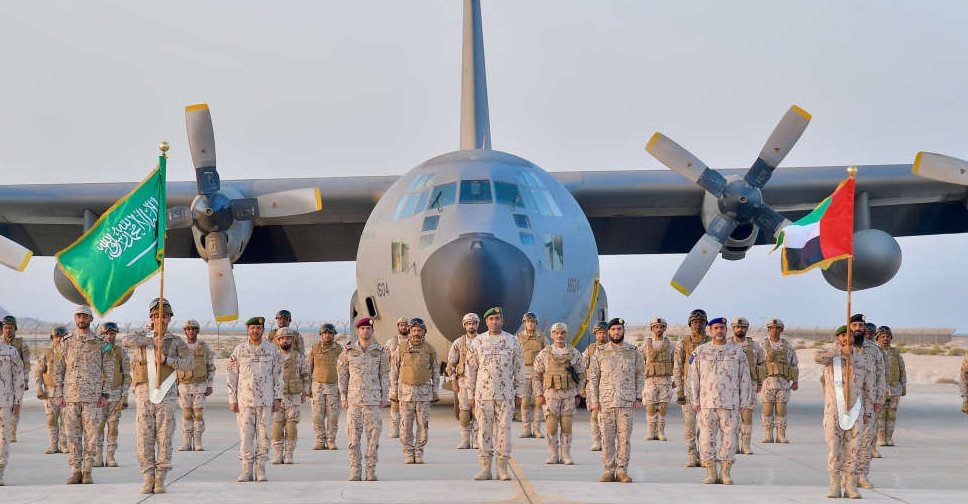
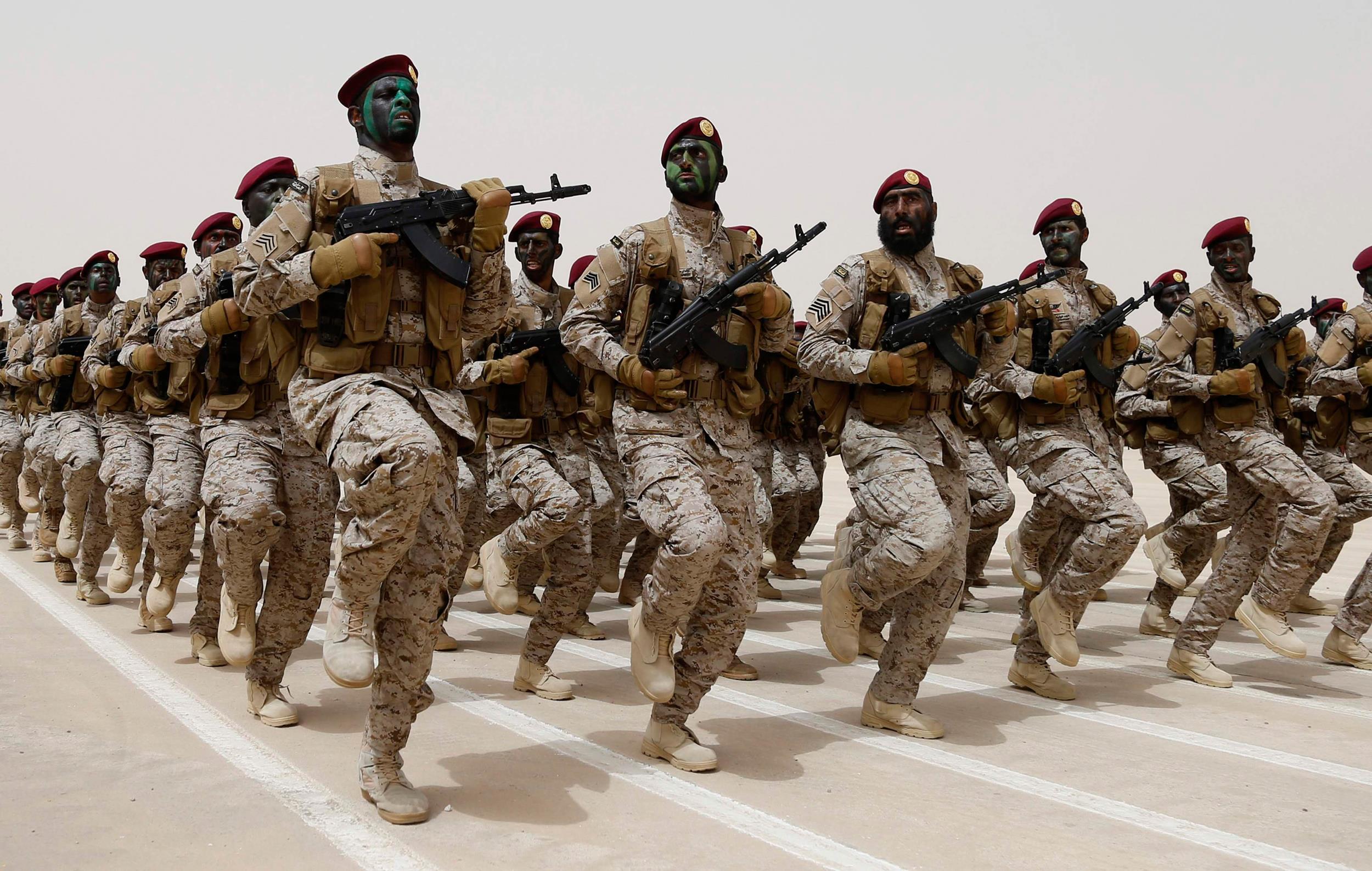
The UAE and Saudi Arabia are transforming from traditional petro-monarchies into digitally networked, defense-forward states with long-term military ambitions. Their modernization is not just about defense — it’s about regional leadership, autonomy from Western dependency, and influence projection.
I. From Client States to Military Innovators
Traditionally reliant on U.S. and European military guarantees, both Saudi Arabia and the UAE are now pursuing a doctrine of self-sufficiency and defense industrialization, motivated by:
- Iranian proxy threats (Yemen, Syria, Iraq, Lebanon)
- Western ambivalence post-Afghanistan
- Need to control key choke points: Hormuz, Bab al-Mandeb, Red Sea
The Strategic Shift: From defence importers to regional exporters of military influence and tech.
II. UAE: The Laboratory of Future Warfare
The United Arab Emirates is rapidly becoming the Israel of the Gulf—a small, tech-savvy state with asymmetric military power.
Key initiatives:
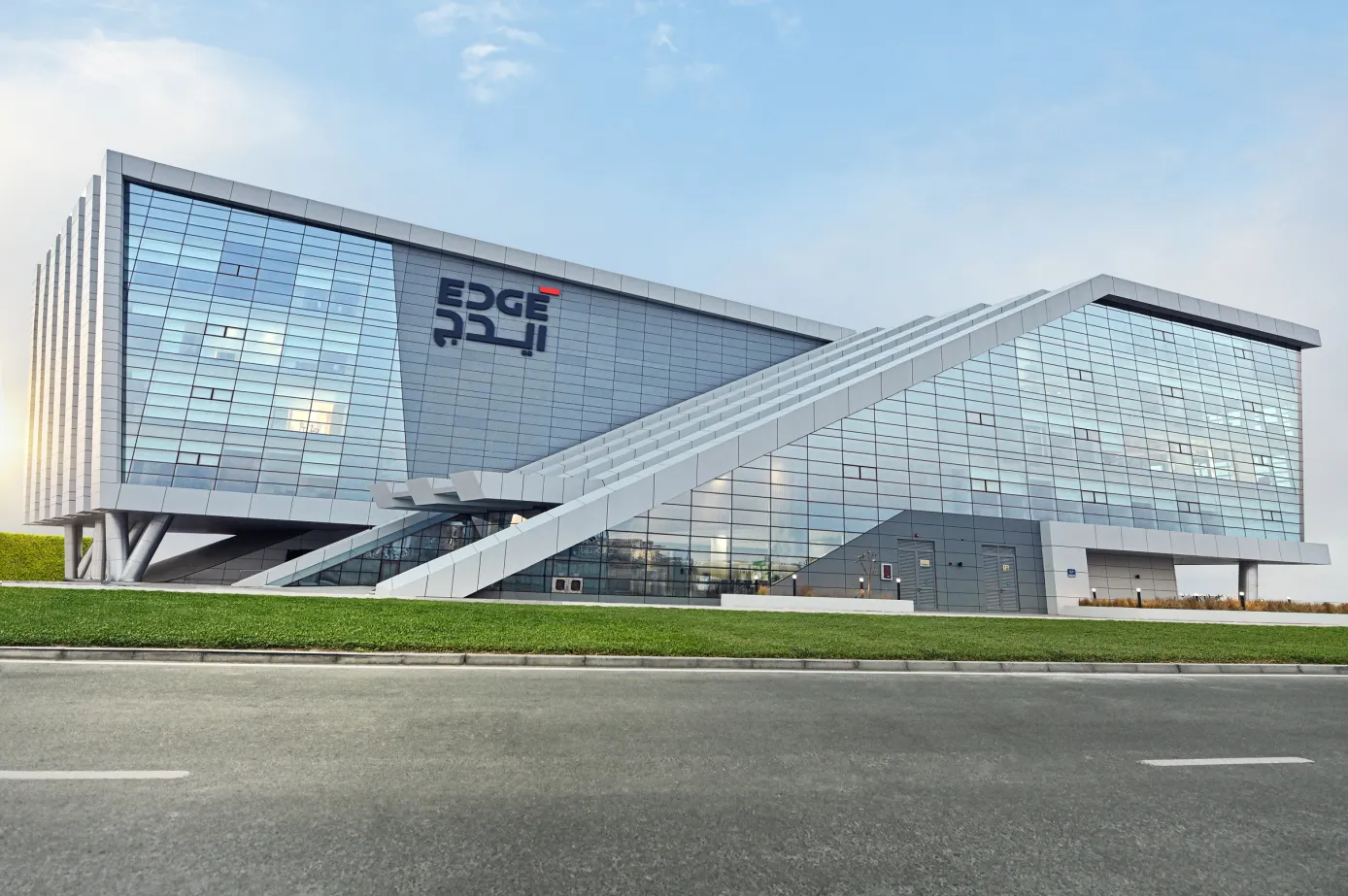
1. EDGE Group and Defence Startups
- Consolidated over 25 military companies into one umbrella group (EDGE).
- Focus areas:
- Autonomous systems (e.g., REACH-S, swarming drones)
- AI battlefield software
- Electronic warfare tools
- Smart munitions (designed for extreme desert combat)
2. Global Influence Through Tech Diplomacy
- UAE is selling drones and EW systems to countries like Algeria, Egypt, and even Indonesia.
- Training programs for African and Southeast Asian forces, leveraging soft power.
🔹 Key Doctrine: Agile Deterrence
- Lightweight, mobile forces supported by drones, cyber, and mercenaries (notably via connections with Wagner-linked contractors).
- Focus on speed, intelligence, and deniability rather than large force footprints.
III. Saudi Arabia: From Oil Wealth to Defense Sovereignty
Saudi Arabia is undergoing its largest-ever military reform under the Vision 2030 plan. The goal: 50% of all defense spending to be local by 2030.
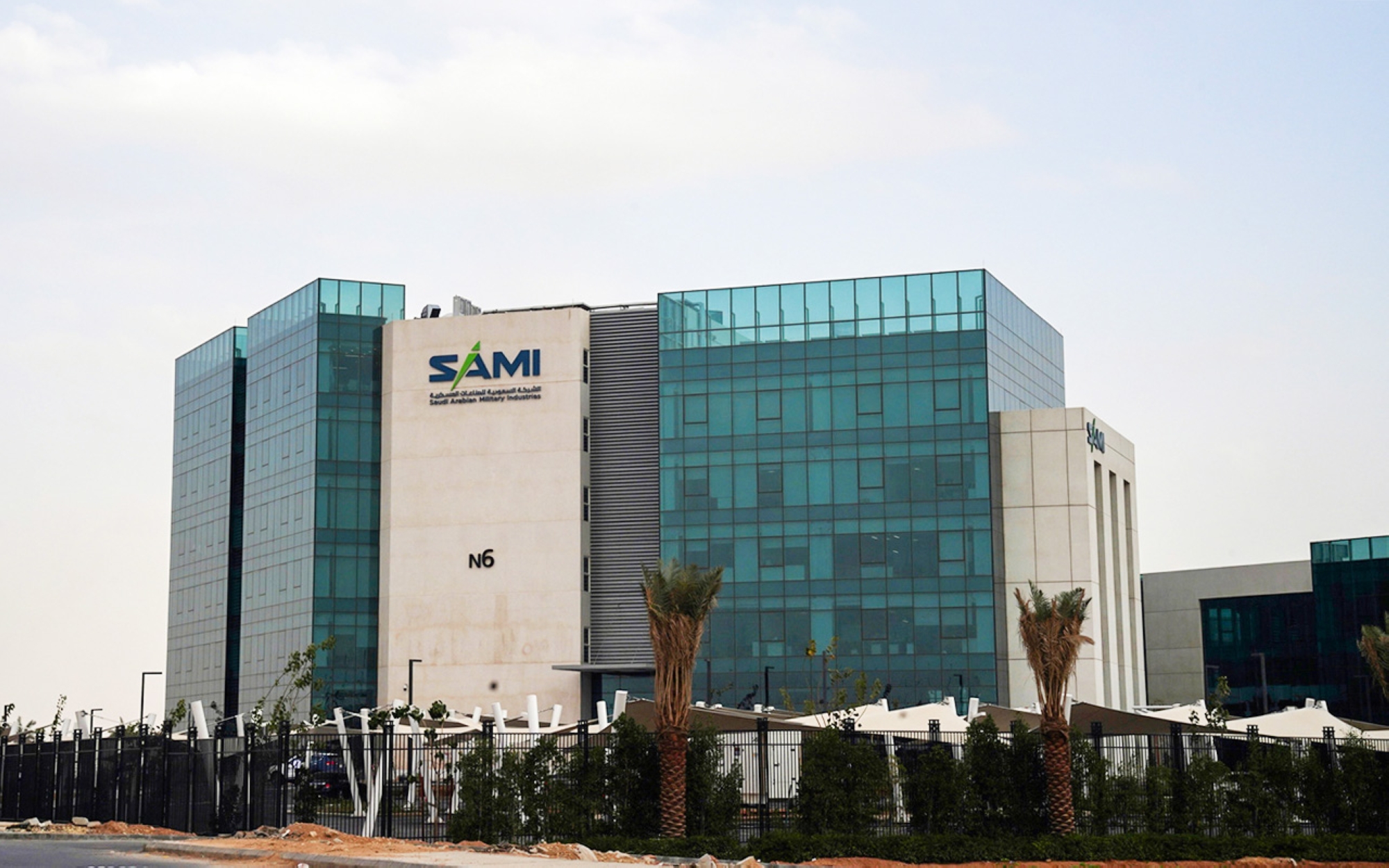
🔹 The Rise of SAMI (Saudi Arabian Military Industries)
- Partnering with global defense giants (Lockheed Martin, Rheinmetall, Thales)
- Manufacturing:
- Ballistic missile defense systems
- Land vehicles (Al-Fahd armored cars)
- Long-range UAVs
- Establishing local drone design capabilities and guided missile production lines
🔹 Strategic Military Infrastructure
- Building naval bases on both Red Sea and Arabian Gulf
- Expanding missile and UAV storage silos near key oil and desalination infrastructure
- Acquiring THAAD and Patriot batteries while working on local missile defense layers

🔹 Key Doctrine: Strategic Autonomy
- Less reliance on U.S. basing, more focus on regional coalitions (GCC+, Red Sea Pact)
- Shadow warfare against Iranian proxies across Yemen, Syria, and Iraq
- Joint military exercises with China, Pakistan, and Egypt to diversify partnerships
IV. Common Gulf Trends to Watch
Drone Warfare Doctrine
- Use of AI-coordinated drone swarms for urban and desert warfare
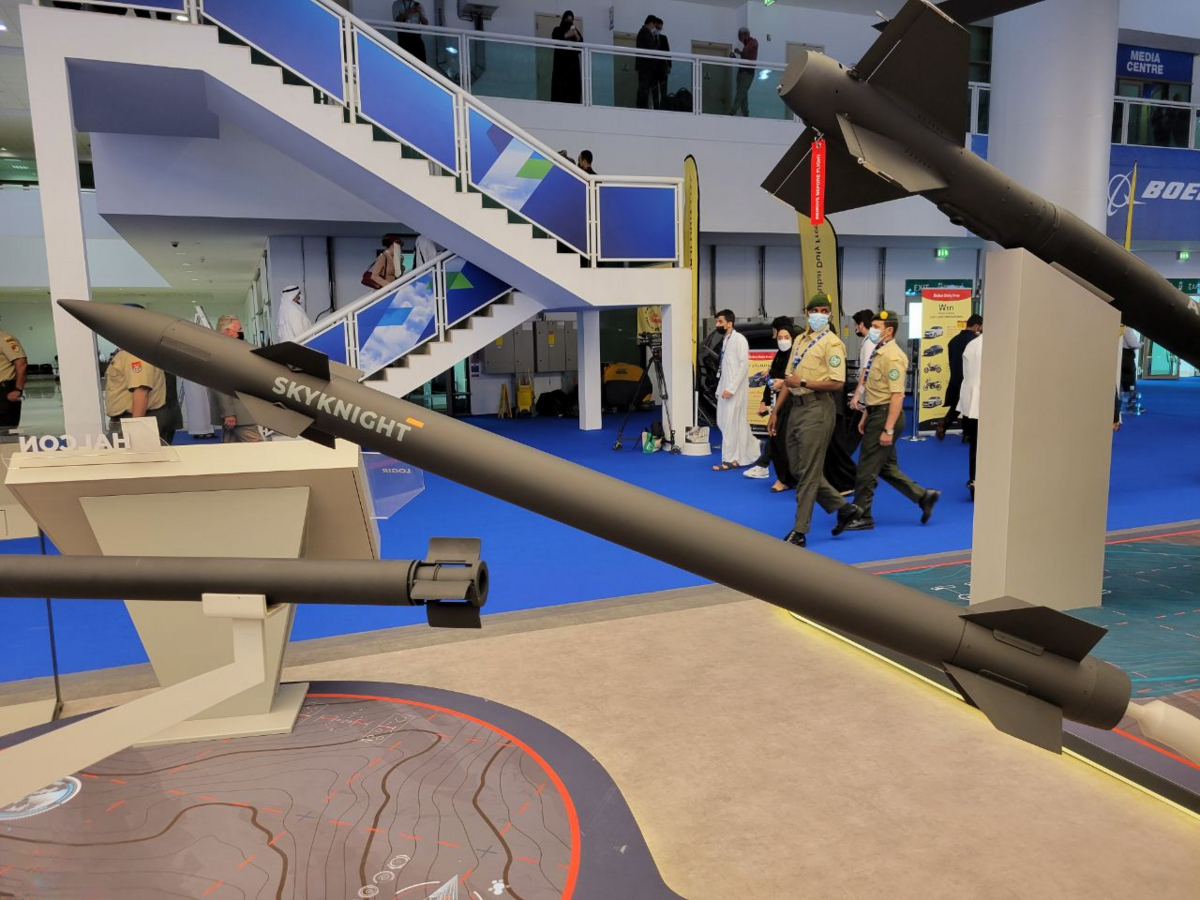
- Counter-drone technology (SkyKnight, EW towers, AI-based targeting)
Cyber & AI Integration
- UAE’s Cyber Defense Council and Saudi’s SDAIA working on military-grade threat analysis
- Integration of biometric, SIGINT, and OSINT into real-time battlefield data feeds
Privatized and Hybrid Warfare
- Increasing reliance on PMCs and foreign advisors (e.g., South African, Colombian mercenaries)
- Covert ops capacity enhanced by private funding and plausible deniability
V. Strategic Recommendations: How UAE & Saudi Arabia Can Optimize Further
- Gulf Military Cloud Infrastructure
- Invest in sovereign battlefield cloud infrastructure to fuse satellite, drone, and cyber data into a single AI platform.
- Reduce lag and increase predictive strike capabilities.
- Localized War Gaming Facilities
- Build combined arms simulation environments for drone vs drone warfare, AI decision trees, and swarm tactics.
- Soft Power through Security Exports
- Position military exports as a tool of foreign policy.
- Build Gulf-funded defense academies in Africa & Southeast Asia.
- Space-Based Early Warning
- Invest in Lagrange point satellite coverage to gain early-warning edge over Iranian missile launches and regional conflicts.
 Vellum Insights
Leave a comment