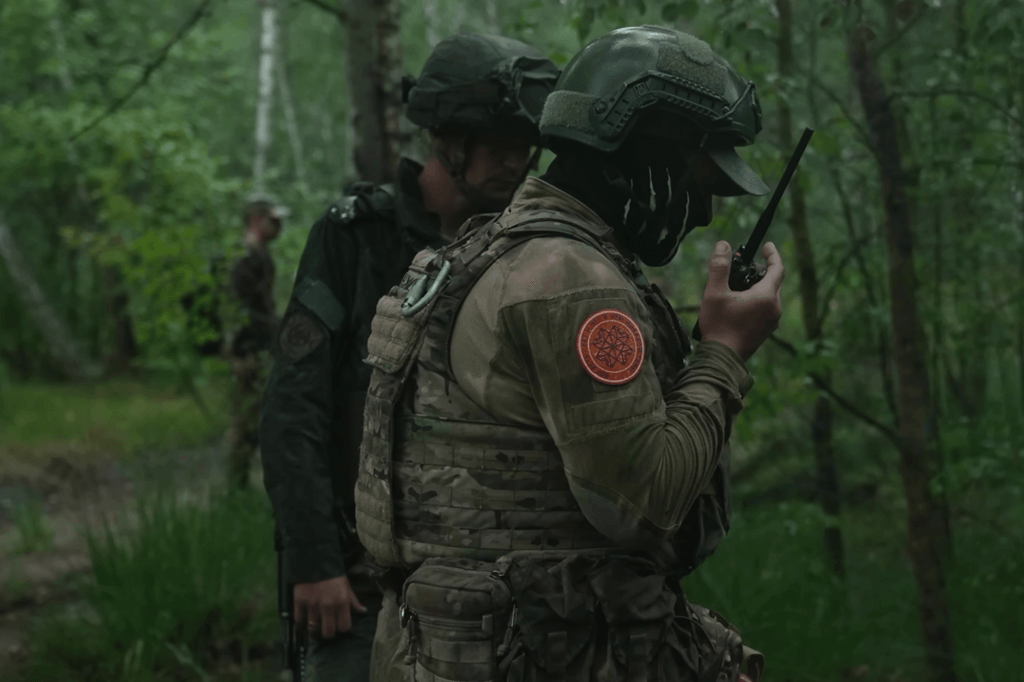
I. From Medieval Soldiers-for-Hire to Modern Corporate Armies
Mercenaries are as old as war itself — from the Swiss Guards of the Renaissance to the Foreign Legion.
But in 2025, Private Military Companies (PMCs) have evolved into corporate superpowers capable of influencing wars, toppling governments, and controlling resources — often without a single state soldier setting foot in combat.
These are militaries without borders:
- Answerable only to contracts, not constitutions
- Funded by states, corporations, and sometimes criminal syndicates
- Operating in the gray zone between legality and deniability
II. The Big Players in Modern Mercenary Warfare
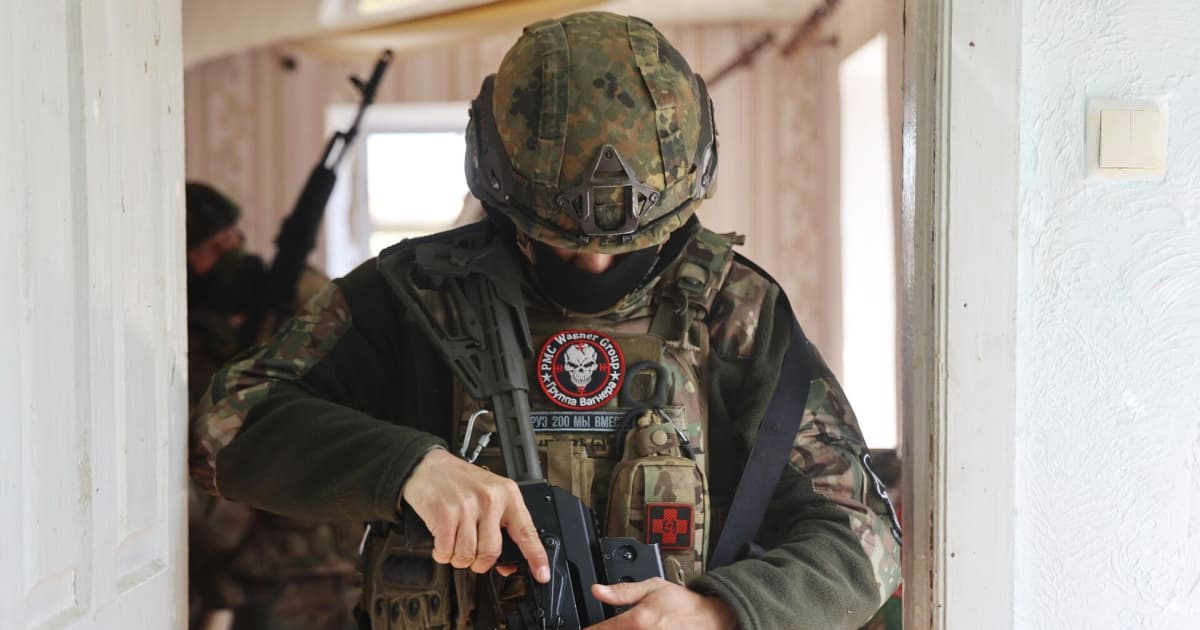
1. Wagner Group (Russia)
- Active in Ukraine, Syria, Libya, and across Africa
- Controls mines and energy infrastructure in Central African Republic and Mali
- Operates as an arm of Russian foreign policy while officially “private”
2. Blackwater Successors (US)

- Blackwater → Xe Services → Academi → part of Constellis
- Specializes in high-end security, convoy protection, and training
- Still active in Middle East security contracts
3. STTEP International (South Africa)
- Founded by Eeben Barlow, ex-Executive Outcomes
- Known for rapid, aggressive counterinsurgency operations in Africa
- Played a key role in Nigeria’s 2015 campaign against Boko Haram
4. Chinese Private Security Firms
- Deployed along Belt & Road Initiative routes
- Protects Chinese-owned mines, ports, and railways in Africa and Asia
- Often staffed by ex-People’s Liberation Army personnel
III. Why Mercenaries Are So Attractive to States and Corporations
- Deniability: States can wage war without political backlash
- Cost-Effectiveness: No pensions, veterans’ benefits, or long-term commitments
- Flexibility: Can operate in areas where state militaries legally or politically cannot
- Revenue Generation: Some PMCs fund themselves by securing and exploiting resources
IV. The New Mercenary Business Models
1. Resource-Backed Operations
- PMCs secure oil fields, mines, or rare earth deposits
- Profits directly fund ongoing military operations
2. “Military-as-a-Service”
- Nations rent PMCs for training, counterterrorism, or entire combat campaigns
3. Hybrid State-PMC Campaigns
- Example: Russia’s use of Wagner alongside official military units in Ukraine
- Blends conventional warfare with covert, deniable operations
V. Strategic Risks of Mercenary Superpowers
- Unregulated Warfare: No Geneva Convention oversight
- Human Rights Abuses: Many operate in legal gray zones
- State Dependency: Fragile governments outsourcing entire defense structures
- Global Arms Black Markets: PMCs often recycle weapons between conflict zones
VI. Strategic Recommendations for States
- Contract Oversight Mechanisms
- Create binding international PMC registry and transparency standards
- Counter-Mercenary Units
- Specialized military and intelligence teams trained to deal with PMC tactics
- National Defense Industrial Base
- Reduce dependency by investing in local training and manufacturing
- Cyber & Legal Offensive Tools
- Sanctions, asset freezes, and information warfare against rogue PMCs
VII. The Future: Mercenary States?
By 2035, it’s possible we’ll see:
- Corporations with standing armies rivaling national forces
- PMCs managing entire territories as quasi-feudal domains
- A “Mercenary UN” — coalitions of PMCs bidding for peacekeeping contracts
The line between state soldier and corporate warrior is disappearing — and in the wars of the future, the flag you fight under might be a logo.
 Vellum Insights
Leave a comment