Grey-zone warfare refers to actions that fall between traditional war and outright peace — using coercion, influence, and disruption without crossing thresholds that would justify a full military response. It’s a deliberate “blurring” of war and diplomacy.

Key Characteristics
- Ambiguity as a Weapon
- Actions are hard to attribute definitively (e.g., cyberattacks, anonymous militias).
- This complicates retaliation, as proof is often lacking.
- Gradual Escalation
- Small, cumulative actions wear down the opponent over time.
- Avoids triggering collective defense clauses like NATO’s Article 5.
- Hybrid Tools
- Cyber operations, economic coercion, disinformation, proxy forces, political subversion.
Tactics in Use

- Cyberattacks on Infrastructure
- Targeting banking systems, energy grids, or transport networks.
- Example: Stuxnet-like malware sabotaging critical systems.
- Maritime Harassment
- Fishing fleets doubling as intelligence gatherers.
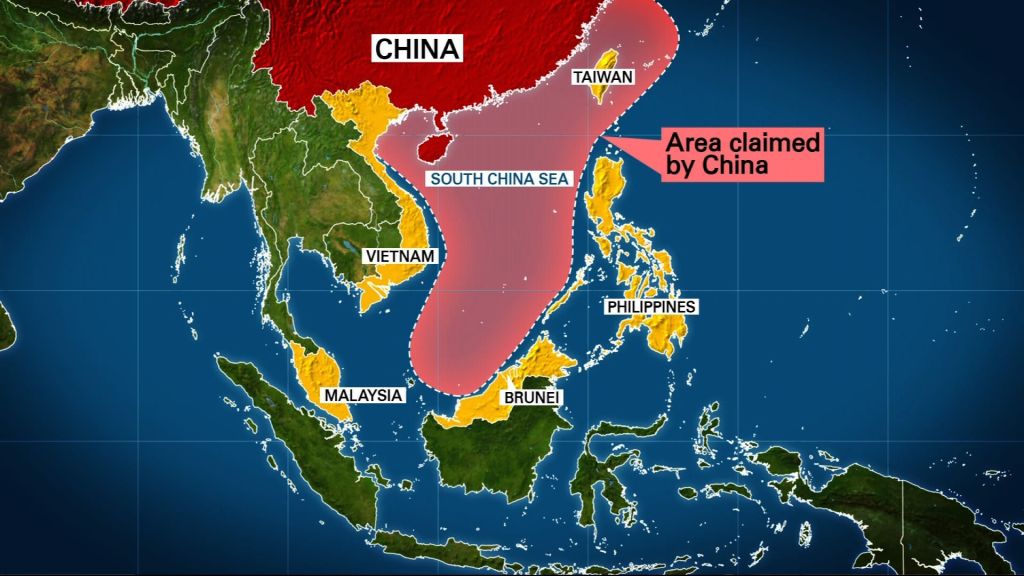
- Coast guard “gray hulls” enforcing territorial claims without a declaration of war.
- Disinformation Campaigns
- Deepfakes, fake news amplification, and social media bots to erode trust.
- Strategic narrative control to influence foreign elections.
- Economic Pressure
- Weaponized trade bans, selective sanctions, and debt traps.
- Example: Blocking rare earth exports.
Countries Leveraging Grey-Zone Strategies
- China – South China Sea island-building, maritime militia, cyber espionage.
- Russia – Crimea annexation via “little green men,” election interference.
- Iran – Proxies in Yemen, Iraq, and Syria to expand regional influence.
- North Korea – Cryptocurrency thefts to fund missile programs.
How Nations Can Defend Against It
- Persistent ISR (Intelligence, Surveillance, Reconnaissance)
- Satellite, UAV, and maritime domain awareness to track ambiguous threats.
- Cyber Resilience
- Harden infrastructure; public-private cybersecurity partnerships.
- Strategic Communication
- Rapidly counter disinformation before it takes root.
- Multi-Domain Rapid Response Units
- Small, agile teams ready to respond to hybrid incidents before escalation.
Offensive Grey-Zone Opportunities
- Lawfare – Using international law aggressively to constrain adversary options.
- Economic Leveraging – Strategic control over rare commodities or ports.
- Proxy Force Development – Non-state actors aligned with your interests.
- Influence Networks – Academic, media, and NGO penetration to shape narratives abroad.
 Vellum Insights
Leave a comment