Tag: news

  • Kharg Island: The Tiny Island That Powered Iran’s War Machine

    Kharg Island: The Tiny Island That Powered Iran’s War Machine

    How One Small Island Became the Most Important Oil Target in the Iran–Iraq War


    Introduction: The Island That Held a Nation’s Economy

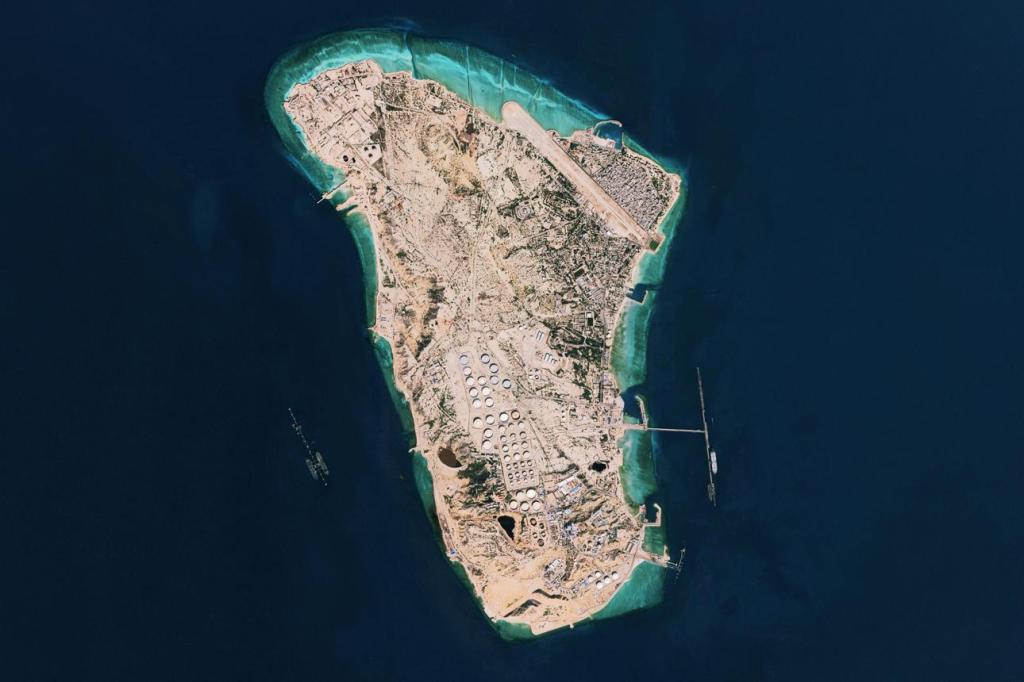
    In the waters of the Persian Gulf, about 25 kilometers off Iran’s coast, sits a small and rocky island that most people have never heard of.

    At first glance, Kharg Island appears insignificant.

    It has no massive cities.

    No famous landmarks.

    No large population.

    Yet during one of the bloodiest conflicts of the twentieth century, this tiny island became one of the most strategically important locations on Earth.

    For much of the Iran–Iraq War (1980–1988), Kharg Island handled the vast majority of Iran’s oil exports.

    Without it, Iran’s economy could collapse.

    Without oil revenue, Iran would struggle to buy weapons, fund military operations, or sustain its war effort.

    Recognizing this vulnerability, Iraq launched hundreds of attacks against the island.

    Bombers, missiles, and aircraft repeatedly targeted Kharg Island in an attempt to cripple Iran’s economy.

    Yet despite years of bombardment, the island continued operating.

    Its survival became one of the most remarkable logistical stories of modern warfare.

    This is the story of how a tiny island became the beating heart of a nation at war.


    Chapter 1: Why Kharg Island Mattered

    Before the Iran-Iraq War began, Kharg Island was already one of the most important energy hubs in the Middle East.

    The island served as Iran’s primary oil export terminal.

    Crude oil from massive fields across Iran flowed through pipelines to Kharg, where giant tankers loaded millions of barrels for customers around the world.

    By the late 1970s, approximately 90 percent of Iran’s oil exports passed through Kharg Island.

    This made the island a critical economic lifeline.

    Oil was not simply another export.

    It was the foundation of Iran’s economy.

    Revenue from oil sales funded:

    • government spending
    • infrastructure projects
    • military purchases
    • national development

    In strategic terms, Kharg Island functioned like a giant economic artery.

    If it stopped pumping oil, the nation would suffer severe consequences.

    This reality did not go unnoticed in Baghdad.


    Chapter 2: Saddam Hussein’s Economic War Strategy

    When Saddam Hussein launched the Iran-Iraq War in 1980, he hoped for a quick victory.

    Instead, the conflict became a brutal stalemate.

    As the war dragged on, Iraq searched for ways to weaken Iran without relying solely on ground offensives.

    One answer was economic warfare.

    Iraqi planners recognized that Iran’s military depended heavily on oil income.

    If Iraq could destroy Kharg Island, it could strike directly at the financial foundation of the Iranian war effort.

    This strategy was simple:

    • Destroy export infrastructure
    • Reduce oil revenue
    • Weaken Iran’s economy
    • Limit Iran’s ability to continue fighting

    In theory, it was a logical plan.

    In practice, it would prove much harder than expected.


    Chapter 3: The Air War Against Kharg Island

    Beginning in the early 1980s, Iraq launched an extensive bombing campaign against Kharg Island.

    The attacks became increasingly sophisticated over time.

    Iraqi aircraft targeted:

    • loading terminals
    • storage tanks
    • pumping stations
    • port facilities
    • tanker ships

    The goal was to shut down oil exports completely.

    French-made Dassault Mirage F1 fighters armed with anti-ship missiles became some of Iraq’s most effective tools.

    These aircraft could strike targets from long distances and then quickly withdraw.

    The attacks became so frequent that some observers described Kharg Island as one of the most heavily bombed economic targets in modern history.

    Yet despite the destruction, exports continued.

    Repair crews often began rebuilding damaged facilities almost immediately after attacks ended.

    This constant cycle of destruction and reconstruction became a defining feature of life on the island.


    Chapter 4: The Men Who Kept the Oil Flowing

    The survival of Kharg Island was not simply a story of infrastructure.

    It was also a story of people.

    Engineers, technicians, dock workers, and construction crews remained on the island despite repeated attacks.

    Every time facilities were damaged, workers rushed to repair them.

    Storage tanks were rebuilt.

    Pipelines were patched.

    Loading systems were restored.

    Many workers understood that keeping oil exports flowing was as important as any battlefield victory.

    Without oil revenue, Iran’s ability to continue the war would be severely weakened.

    As a result, Kharg Island became a frontline position in an economic war.

    The workers stationed there were effectively part of Iran’s national defense effort.


    Chapter 5: The Birth of the Tanker War

    By 1984, attacks on Kharg Island expanded into something much larger.

    The conflict evolved into what became known as the Tanker War.

    Instead of focusing solely on oil terminals, both sides began targeting commercial shipping.

    Oil tankers moving through the Persian Gulf became military targets.

    Iraq hoped that attacks on shipping would discourage international companies from transporting Iranian oil.

    Insurance rates skyrocketed.

    Shipping companies faced growing risks.

    Yet many tankers continued sailing.

    The world depended heavily on Gulf oil supplies.

    Completely halting exports proved difficult.

    Kharg Island remained at the center of this maritime conflict.

    Every tanker departing from the island became part of a larger geopolitical struggle.


    Chapter 6: Innovation Under Fire

    Faced with constant attacks, Iran adapted.

    Rather than relying solely on fixed infrastructure, Iranian planners developed alternative methods for exporting oil.

    These included:

    • offshore loading systems
    • dispersed storage facilities
    • emergency repair teams
    • alternative export routes

    This flexibility made it harder for Iraq to achieve decisive results.

    Every time a facility was destroyed, Iran found new ways to continue operations.

    Military historians often point to this resilience as a key reason why Iraq failed to achieve its economic objectives.

    Kharg Island demonstrated an important lesson:

    Infrastructure can be damaged, but adaptive systems are much harder to destroy.


    Chapter 7: Why Iraq Could Not Knock It Out

    Despite hundreds of attacks, Kharg Island never completely stopped functioning.

    Several factors explain this outcome.

    Geography

    The island’s location complicated military operations.

    Aircraft had limited time over target areas before facing air defenses.

    Redundancy

    Iran built backup systems and alternative facilities.

    Constant Repairs

    Repair crews worked continuously to restore damaged infrastructure.

    Global Demand

    International buyers still needed oil.

    Economic incentives encouraged continued exports despite the risks.

    These factors combined to create a situation where Iraq could inflict damage but could not deliver a knockout blow.


    Chapter 8: Lessons for Modern Warfare

    Kharg Island remains highly relevant today.

    Modern conflicts increasingly target economic infrastructure.

    Military planners recognize that economies are often more vulnerable than armies.

    Recent conflicts have seen attacks on:

    • oil facilities
    • pipelines
    • power stations
    • ports
    • shipping networks

    The story of Kharg Island demonstrates both the power and limitations of economic warfare.

    Strategic infrastructure matters enormously.

    But resilience matters too.

    Countries that can quickly repair damage and adapt to disruption are much harder to defeat.

    This lesson continues to influence military thinking around the world.


    Chapter 9: The Legacy of Kharg Island

    Today, Kharg Island remains one of Iran’s most important energy facilities.

    Although modern export routes have diversified somewhat, the island continues to play a major role in the country’s oil industry.

    Its wartime experience also shaped Iran’s broader strategic thinking.

    The Iranian government has invested heavily in:

    • hardened infrastructure
    • dispersed energy facilities
    • underground storage systems
    • alternative export capabilities

    Many of these investments reflect lessons learned during the Iran-Iraq War.

    The attacks on Kharg Island convinced Iranian planners that economic infrastructure would remain a primary target in future conflicts.

    As a result, resilience became a national security priority.


    Conclusion: The Island That Refused to Fall

    Military history often focuses on famous battles, powerful generals, and advanced weapons.

    Yet sometimes the outcome of a war depends on something much simpler.

    An island.

    A port.

    A pipeline.

    A tanker.

    Kharg Island was never a battlefield in the traditional sense.

    But it became one of the most important strategic locations in the Iran-Iraq War.

    For eight years, Iraq attempted to destroy the economic lifeline that sustained its enemy.

    For eight years, Iran fought to keep that lifeline open.

    The result was one of history’s most intense campaigns against energy infrastructure.

    And despite relentless attacks, Kharg Island endured.

    Its story reminds us that wars are not won only on the front lines.

    Sometimes they are won in the ports, terminals, and supply networks that keep a nation alive.

    In the modern world, economic infrastructure is often as important as military firepower.

    And few places illustrate that reality better than Kharg Island.

    Sources & Citations

    1. The Tanker War: The Assault on Merchant Shipping During the Iran-Iraq Conflict.
    2. U.S. Energy Information Administration – Historical analysis of Persian Gulf oil exports and strategic infrastructure.
    3. Center for Strategic and International Studies – Research on energy security and maritime conflict.
    4. International Institute for Strategic Studies – Military assessments of the Iran-Iraq War.
    5. The Longest War: The Iran-Iraq Military Conflict.
    6. Naval History and Heritage Command – Historical records on the Tanker War and Persian Gulf operations.
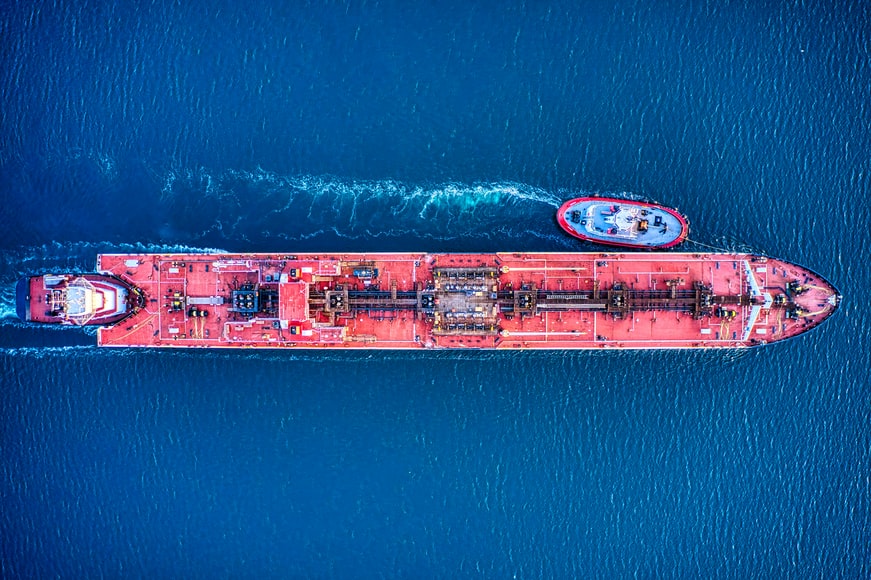
  • The Tanker War Returns: How Attacks on Oil Shipping Could Ignite a Global Crisis

    The Tanker War Returns: How Attacks on Oil Shipping Could Ignite a Global Crisis

    Why Modern Conflicts Are Once Again Targeting the World’s Most Important Energy Supply Routes


    Introduction: The Vulnerable Arteries of Global Energy

    Every day, thousands of ships move across the world’s oceans carrying oil and natural gas that power modern economies.

    But these vital shipping routes are increasingly becoming targets in modern warfare.

    In recent years, attacks on oil tankers, cargo vessels, and energy infrastructure have raised fears that the world could see a return of a dangerous strategy from the 1980s known as the Tanker War.

    During that conflict, merchant ships carrying oil through the Persian Gulf were repeatedly attacked as part of the larger Iran–Iraq War.

    Today, tensions involving Iran, Israel, and the United States have revived fears that global shipping could once again become a battlefield.

    Because a significant share of the world’s oil travels by sea, even a small number of attacks could trigger a global economic shock.


    Chapter 1: What Was the Original Tanker War?

    The original Tanker War began in 1984 during the later stages of the Iran–Iraq War.

    Both Iran and Iraq began targeting oil tankers and merchant vessels in the Persian Gulf.

    The goal was simple:

    Destroy the enemy’s economic lifeline.

    Since both countries relied heavily on oil exports, disrupting shipping could weaken the opponent’s economy and reduce their ability to fund the war.

    The attacks included:

    • anti-ship missiles
    • naval mines
    • aircraft strikes
    • attacks on oil terminals

    More than 400 commercial vessels were attacked during the conflict, making it one of the largest maritime attacks on civilian shipping since World War II.

    Eventually the conflict drew in outside powers.

    The United States launched Operation Earnest Will, escorting oil tankers through the Gulf to protect them from attacks.


    Chapter 2: Why Oil Tankers Are Strategic Targets

    Oil tankers are among the most important vessels in global trade.

    A single supertanker can carry two million barrels of crude oil.

    Because of this, tanker attacks have effects far beyond the ships themselves.

    Key impacts include:

    Energy Supply Disruptions

    Damaging even a few tankers can disrupt supply chains and delay shipments.

    Insurance and Shipping Costs

    Shipping through dangerous regions dramatically increases insurance costs.

    During past crises, insurance rates for vessels in the Persian Gulf increased several hundred percent.

    Market Panic

    Even rumors of attacks can cause oil prices to surge in global markets.

    Energy traders closely monitor shipping risks because disruptions can immediately affect supply expectations.


    Chapter 3: The World’s Most Dangerous Shipping Routes

    Several key maritime chokepoints dominate global energy transportation.

    Among the most important is the Strait of Hormuz, the narrow passage connecting the Persian Gulf to the Arabian Sea.

    About 20% of the world’s oil supply passes through this corridor each day.

    Other important energy chokepoints include:

    • the Bab el‑Mandeb Strait connecting the Red Sea to the Indian Ocean
    • the Suez Canal linking the Mediterranean Sea to the Red Sea
    • the Strait of Malacca between Malaysia and Indonesia

    Because these routes are narrow and heavily trafficked, ships passing through them are difficult to protect.

    This makes them attractive targets during conflicts.


    Chapter 4: The Modern Return of Tanker Attacks

    Recent years have seen a growing number of attacks on shipping in the Middle East.

    Tankers have been damaged by:

    • naval mines
    • drone strikes
    • missile attacks

    Some of these incidents have occurred near the Strait of Hormuz, raising fears of a new tanker war.

    Other attacks have taken place near the Red Sea, where armed groups have targeted commercial vessels.

    These incidents demonstrate how modern weapons—especially drones and missiles—have made tanker attacks easier to conduct.

    Unlike in the 1980s, attackers no longer need fighter aircraft or large naval forces.

    Even small groups equipped with drones or missiles can threaten major shipping routes.


    Chapter 5: The Role of Proxy Forces

    Modern conflicts increasingly rely on proxy groups.

    Instead of direct military confrontation between major powers, attacks are often conducted by allied militias or non-state actors.

    In the Middle East, this includes groups such as:

    • Hezbollah in Lebanon
    • Houthi movement in Yemen

    These groups have developed missile and drone capabilities capable of striking ships at sea.

    By operating through proxies, states can apply pressure on enemies while maintaining plausible deniability.

    This strategy complicates military responses and increases the risk of escalation.


    Chapter 6: The Global Economic Domino Effect

    If tanker attacks increase significantly, the economic consequences could spread rapidly across the world.

    Potential effects include:

    Oil Price Spikes

    Even limited disruptions could push oil prices sharply higher.

    Energy markets react quickly to perceived supply threats.

    Inflation

    Higher fuel costs increase transportation and manufacturing prices.

    This can drive inflation in economies worldwide.

    Supply Chain Disruptions

    Shipping delays can disrupt industries that depend on energy imports.

    Countries heavily reliant on imported oil—such as Japan, South Korea, and India—would be especially vulnerable.


    Chapter 7: Can Tanker Shipping Be Protected?

    Protecting thousands of merchant ships across vast ocean areas is extremely difficult.

    Navies can escort some vessels, but not every ship.

    Major maritime powers—including the United States Navy and allied fleets—regularly patrol the Persian Gulf and nearby waters.

    However, modern threats such as drones and sea mines remain difficult to detect.

    New technologies being developed to protect shipping include:

    • anti-drone systems
    • improved radar detection
    • naval escorts and convoy systems

    But despite these efforts, commercial shipping will always remain somewhat vulnerable in wartime.


    Conclusion: The Fragile Lifelines of the Global Economy

    The world’s energy system depends heavily on maritime transportation.

    Oil tankers crossing narrow waterways connect producers in the Middle East with consumers across the globe.

    This dependence creates a dangerous vulnerability.

    The original Tanker War showed how quickly attacks on shipping can escalate into international crises.

    Today, new technologies—including drones, missiles, and proxy warfare—make such attacks easier than ever before.

    If a modern tanker war were to erupt, its effects would not be limited to the Middle East.

    Energy markets, shipping routes, and global economies could all be affected.

    Because in the modern world, the oceans are not just highways of trade.

    They are also potential battlefields that hold the power to shake the global economy.

    Sources & Citations

    1. U.S. Energy Information Administration – Global oil shipping routes and chokepoint analysis.
    2. International Energy Agency – Global oil supply and maritime trade statistics.
    3. Center for Strategic and International Studies – Maritime security and tanker war analysis.
    4. International Institute for Strategic Studies – Middle East military and maritime security reports.
    5. Historical reporting and research on Operation Earnest Will and the Tanker War during the Iran–Iraq War.
  • Iran’s Underground Missile Cities: The Secret Bases Hidden Beneath Mountains

    Iran’s Underground Missile Cities: The Secret Bases Hidden Beneath Mountains

    Inside the Hidden Tunnel Networks Designed to Protect Iran’s Deadliest Weapons


    Introduction: The Hidden Arsenal Beneath the Mountains

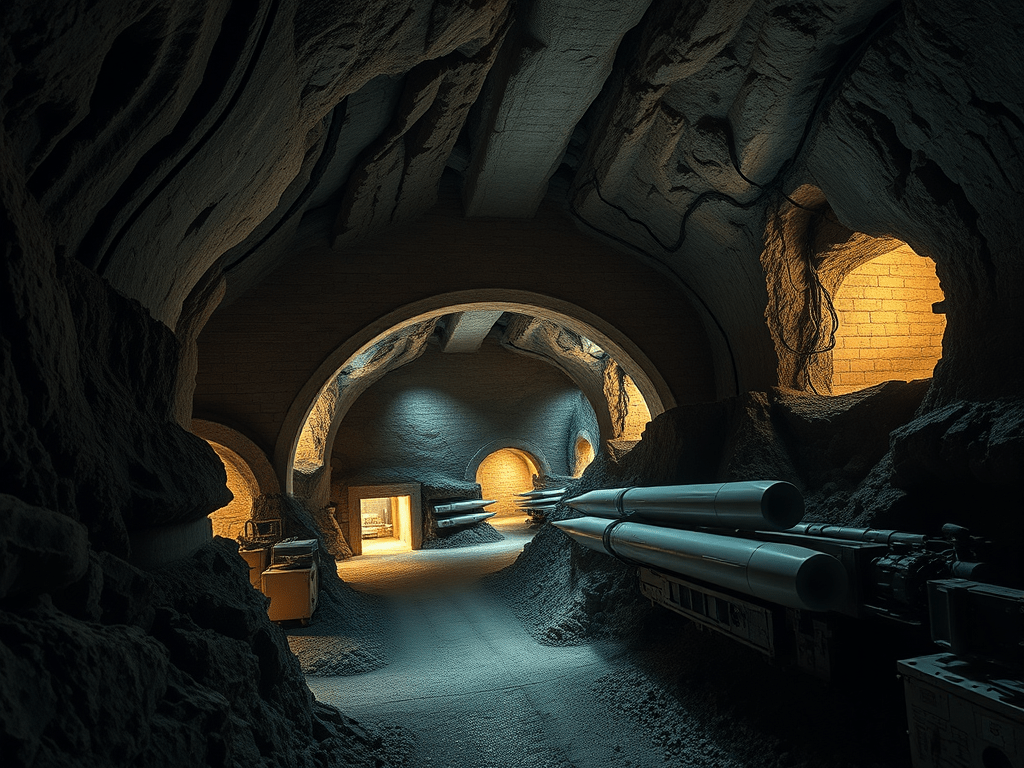
    Deep beneath the mountains and deserts of Iran, massive tunnel complexes hide one of the most mysterious military systems in the world.

    Iran calls them “missile cities.”

    These underground bases are vast networks of tunnels carved into solid rock where ballistic missiles, drones, and launch systems are stored and prepared for war.

    Many of these facilities are buried hundreds of meters underground, designed to survive airstrikes and continue launching missiles even during heavy bombardment.

    For Iran’s military planners, these hidden bunkers serve one primary purpose:

    Guaranteeing that Iran can strike back even if its surface military bases are destroyed.

    This strategy—known as second-strike capability—has become the backbone of Iran’s missile doctrine.

    But as modern surveillance and precision weapons improve, these secret underground cities are increasingly becoming the focus of global military attention.


    Chapter 1: Why Iran Built Underground Missile Cities

    Iran’s focus on missile warfare stems largely from its experiences during the Iran–Iraq War (1980–1988).

    During that conflict, Iraqi missile strikes hit Iranian cities repeatedly. Iran had little ability to retaliate effectively.

    The lesson for Iranian military leaders was clear:

    Missiles could determine the outcome of future wars.

    However, Iran faced several challenges:

    • limited airpower compared with Western countries
    • international arms sanctions
    • vulnerability of surface military bases to airstrikes

    To solve these problems, Iran began building hardened underground facilities where missiles could be hidden from surveillance and protected from attack.

    Over the following decades, these tunnel systems expanded across the country.

    Today they form one of the most extensive underground missile networks in the world.


    Chapter 2: How Iran’s Missile Cities Work

    The underground missile cities are not simple bunkers.

    They are complete underground military complexes.

    Some tunnels reportedly extend hundreds of meters below the surface, deep enough to resist most conventional bunker-busting bombs.

    Inside these facilities are:

    • missile storage chambers
    • launch preparation areas
    • command centers
    • transportation tunnels
    • ventilation and power systems

    Some bases even contain rail systems or transport vehicles that move missiles from storage areas to launch points hidden on mountain slopes.

    When a launch order is given, missiles are transported through the tunnels to hidden exits where they can be fired.

    This design allows Iran to:

    • protect its missile stockpiles
    • conceal launch preparations
    • rapidly deploy missiles during conflict

    Chapter 3: The Missiles Hidden in the Mountains

    Iran possesses the largest ballistic missile arsenal in the Middle East.

    Many of these weapons are stored inside underground facilities.

    Examples include missiles such as:

    • the Emad ballistic missile
    • the Sejjil ballistic missile
    • the Ghadr missile

    Some of these missiles have ranges between 1,000 and 2,500 kilometers, placing much of the Middle East within reach.

    These weapons are operated primarily by the Islamic Revolutionary Guard Corps (IRGC), which controls Iran’s missile forces.

    Because missiles can strike distant targets quickly, they are a central element of Iran’s deterrence strategy.


    Chapter 4: Known Locations of Missile Cities

    The exact locations of many missile cities remain secret.

    However, intelligence analysts have identified several likely regions where these facilities exist.

    Examples include:

    • Kermanshah Province in western Iran
    • Semnan Province in northern Iran
    • mountainous regions near the Persian Gulf

    One well-known installation is the Kermanshah Underground Missile Facility, which stores ballistic missiles such as the Fateh-110 and Qiam-1.

    Many of these locations were chosen because Iran’s rugged terrain provides natural protection.

    Mountains act as a shield against airstrikes while also hiding tunnel entrances.


    Chapter 5: Why These Bases Are So Difficult to Destroy

    Underground missile cities are designed to survive war.

    Their defenses include:

    Extreme Depth

    Some tunnels are reportedly built hundreds of meters inside mountains, making them resistant to most conventional bombs.

    Multiple Entrances

    Many complexes have dozens of entrances spread across large areas.

    Destroying one entrance does not necessarily disable the entire facility.

    Concealed Launch Sites

    Missile launch platforms can appear suddenly from hidden tunnel exits, allowing surprise attacks.

    Because of these features, completely eliminating such bases would require extensive bombing campaigns or specialized bunker-penetrating weapons.


    Chapter 6: The Growing Hunt for Iran’s Missile Cities

    In recent conflicts, these underground facilities have become key military targets.

    The Wall Street Journal

    Iran’s Underground ‘Missile Cities’ Have Become One of Its Biggest Vulnerabilities

    6 days ago

    Satellite imagery shows extensive damage to Iran's missile bases

    The Washington Post

    Satellite imagery shows extensive damage to Iran’s missile bases

    6 days ago

    Israel to attack Iran's underground missile sites in second phase of war, sources say

    Reuters

    Israel to attack Iran’s underground missile sites in second phase of war, sources say

    6 days ago

    Reports indicate that U.S. and Israeli forces have increasingly targeted missile city infrastructure such as tunnel entrances and launch systems.

    Satellite imagery has revealed damage to facilities in areas like Tabriz and Kermanshah, where buildings near tunnel entrances were destroyed during airstrikes.

    Military analysts say the strategy focuses on attacking launchers and access points, rather than attempting to destroy the entire underground complex.

    When launch vehicles leave the tunnels, they become vulnerable to surveillance drones and precision strikes.


    Chapter 7: The Strategic Purpose — Deterrence

    Despite growing threats, Iran’s missile cities serve a clear strategic purpose.

    They are designed to ensure that Iran can still retaliate after a first strike by an enemy.

    This concept is similar to nuclear deterrence strategies used during the Cold War, where countries protected weapons in hardened silos to guarantee a response.

    By hiding missiles underground, Iran aims to make any attack against it too risky for adversaries.

    Even if many missiles are destroyed, some would likely survive.

    Those surviving weapons would still be capable of launching devastating strikes.


    Conclusion: The Hidden War Beneath the Mountains

    Iran’s underground missile cities represent one of the most secretive military infrastructures in the modern world.

    Hidden deep within mountains and deserts, these bases form the backbone of Iran’s missile deterrence strategy.

    They allow Iran to protect its missile arsenal, conceal launch operations, and maintain the ability to retaliate during wartime.

    But advances in satellite surveillance, drones, and precision airstrikes are beginning to challenge the effectiveness of these underground fortresses.

    As tensions rise in the Middle East, the battle over these hidden bases may play a decisive role in future conflicts.

    Because beneath the mountains of Iran lies not just tunnels and bunkers—

    but one of the most powerful missile arsenals in the region.

    Sources & Citations

    1. International Institute for Strategic Studies – Iranian missile force analysis.
    2. Center for Strategic and International Studies – Missile proliferation in the Middle East.
    3. U.S. Defense Intelligence Agency – Iranian missile capabilities report.
    4. Analysis of underground missile facilities and tunnel networks.
    5. Known underground missile bases and missile deployments.
    6. Reporting on airstrikes targeting missile facilities in recent conflicts.
  • The War of the Currents: How Edison and Tesla Fought the First Tech War

    The War of the Currents: How Edison and Tesla Fought the First Tech War

    The Shocking Battle That Decided How the Modern World Uses Electricity


    Introduction: The World Before Wires

    Today, electricity is everywhere. We flip a switch and lights appear. We plug in our phones, laptops, and TVs without thinking. But in the late 1800s, electricity was new, rare, and dangerous. Only a few cities even had electric lights, and most people still used gas lamps or candles.

    Before the modern world could be born, humanity needed a safe, powerful, and affordable way to deliver electricity to everyone. And that is where the first great tech war began—a fight between two brilliant men with two very different visions:

    • Thomas Edison, the inventor of the light bulb, who believed in direct current (DC)
    • Nikola Tesla, a genius immigrant inventor, who championed alternating current (AC)

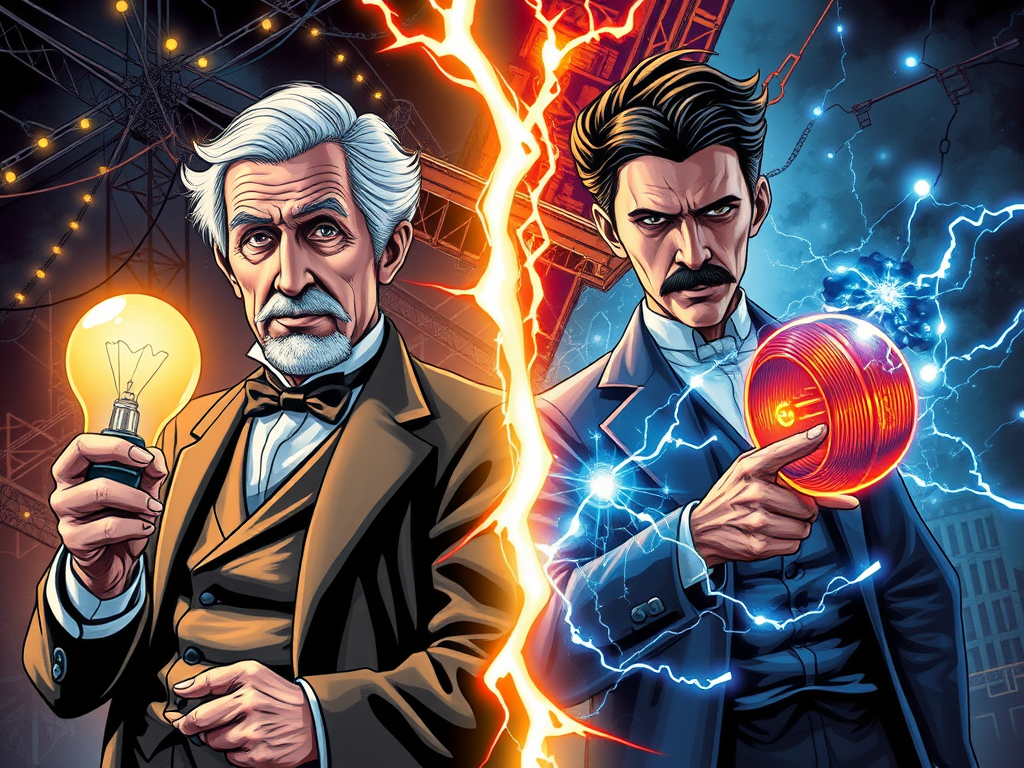
    Their conflict became known as The War of the Currents. It involved science, business, politics, public fear, and even a bit of showmanship. It shaped the power grid we still use today.

    This is the story of how two men fought to control the future—and how one idea eventually powered the world.


    I. The Rise of Thomas Edison: America’s First Tech Superstar

    Edison’s DC Vision

    In the 1870s and 1880s, Thomas Edison was America’s most famous inventor. He created:

    • The light bulb
    • The phonograph
    • Early motion picture devices
    • The first power company

    Edison dreamed of electrifying entire cities. But he believed the safest way to deliver electricity was direct current (DC), which traveled in one direction and had a steady flow.

    It worked—but only over very short distances.

    DC power plants could serve only a few square blocks. That meant dozens or even hundreds of small power stations would be needed in every city. Edison believed this was the future, and he invested everything into DC power systems.

    Edison Builds an Empire

    By the early 1880s:

    • Edison opened the first commercial power station in New York
    • He powered homes, businesses, and streetlights
    • His company became the face of modern electricity

    To many Americans, Edison was electricity.

    But he wasn’t the only one with big ideas.


    II. Enter Nikola Tesla: The Outsider Who Saw a Different Future

    Tesla’s Early Life and Genius

    Nikola Tesla came from what is now Croatia. From a young age, he had a gift for visualizing inventions entirely in his mind. He could design machines without sketches, memorizing every gear and every bolt.

    Tesla moved to the United States in 1884 with one goal: work for Thomas Edison.

    He hoped to improve Edison’s electrical systems. But the two men were opposites:

    EdisonTesla
    PracticalTheoretical
    Trial-and-errorMathematical precision
    Business-drivenIdea-driven
    Preferred DCInvented AC

    Edison wanted results fast. Tesla wanted perfection.

    Their partnership didn’t last long.

    Tesla Builds His AC System

    Tesla believed that alternating current (AC) was the key to electrifying the world. AC power flowed back and forth, which meant:

    • It could travel hundreds of miles
    • It could power entire cities from one plant
    • It was cheaper to build
    • It could be converted to higher or lower voltages easily

    This made AC far more efficient than DC.

    But Edison refused to accept AC. He claimed it was too dangerous. Their disagreement created a rivalry that would soon explode across America.


    III. The War Begins: Edison vs. Tesla

    Edison Launches a Fear Campaign

    Edison saw AC as a threat to his business empire. So he began a public crusade to convince people that AC was deadly.

    His team:

    • Gave public demonstrations shocking animals with AC
    • Released pamphlets warning cities about “AC accidents”
    • Lobbied politicians to ban AC lines
    • Supported the electric chair as a way to label AC as “lethal power”

    Edison hoped to paint AC as a hazard that could kill anyone who touched it.

    The newspapers called it:

    “The Electrical Execution War.”
    (Source: Seifer, Wizard: The Life and Times of Nikola Tesla)

    Tesla Finds a Powerful Ally: George Westinghouse

    George Westinghouse, an inventor and businessman, saw the future in AC. He partnered with Tesla, buying Tesla’s patents and giving him a lab to continue his work.

    Together, Tesla and Westinghouse formed a team that could challenge Edison’s entire empire.

    This turned the fight into a full corporate war:

    • Edison Electric (DC)
    • Westinghouse Electric (AC)

    The future of electricity—and billions of dollars—were at stake.


    IV. The Turning Point: Lighting the World’s Fair

    The Battle for Chicago, 1893

    The biggest fight of the War of the Currents happened at the World’s Columbian Exposition in Chicago. The fair needed electricity to power thousands of lights, machines, and exhibits.

    Two companies bid:

    • Edison Electric (DC)
    • Westinghouse/Tesla (AC)

    Edison’s bid was nearly twice as expensive.

    Westinghouse won the contract.

    Tesla Lights Up the Night

    When the fair opened, more than 200,000 light bulbs powered by Tesla’s AC system lit up the night sky.

    People gasped. Many had never seen electric lights before—let alone an entire city block glowing white.

    This moment changed everything.

    Newspapers wrote:

    “The future belongs to alternating current.”
    (Source: Jonnes, Empires of Light)

    Edison had lost the first major battle.


    V. The Final Blow: Harnessing Niagara Falls

    A Power Source Like No Other

    Niagara Falls was the greatest source of natural energy in North America. Whoever could harness it would control the future of electricity.

    Two proposals came in:

    • Edison’s DC system
    • Tesla’s AC system

    In 1895, the decision was made:
    Tesla’s AC would power the project.

    Tesla’s System Powers a Region

    By 1896, AC power from Niagara Falls reached Buffalo, New York—20 miles away. It was the longest and most powerful electrical transmission ever built at the time.

    Soon:

    • Factories switched to AC
    • Cities expanded electric grids
    • The telephone, streetcars, and appliances spread everywhere

    DC faded from the world stage.

    Tesla’s vision had won.


    VI. The Aftermath: How the Tech War Shaped the Modern World

    Edison Was Forced to Change

    After losing the War of the Currents, Edison’s company eventually became part of General Electric, which quietly adopted AC technology. Edison himself stepped back from the electric industry and focused on other inventions.

    Tesla Became the Father of Modern Power

    AC power became the global standard, used in:

    • Homes
    • Skyscrapers
    • Cities
    • Factories
    • Power grids

    Today, about 95% of the world uses Tesla’s AC systems. (Source: Carlson, Tesla: Inventor of the Electrical Age)

    The First Modern Tech Rivalry

    The War of the Currents taught the world:

    • Innovation is not enough—business strategy matters
    • Public fear can shape technology
    • The best idea doesn’t always win quickly
    • Technology wars shape generations

    It was the “Silicon Valley battle” of its time—long before computers, smartphones, or social media.


    VII. The Human Side: Two Geniuses, One Dream

    Edison: The Builder

    Edison was a tireless worker and a brilliant businessman. His factories produced inventions that changed daily life. Even though he fought AC, his contributions to electricity were still vital.

    Tesla: The Visionary

    Tesla was imaginative, idealistic, and ahead of his time. He dreamed of:

    • Wireless global power
    • Renewable energy
    • Unlimited free electricity

    Some of his ideas were too advanced for the era, but many came true decades later.

    They Both Changed the World

    Even though they clashed, both men helped create the foundation for modern technology. Their rivalry pushed innovations faster and farther than either could have done alone.


    Conclusion: The Tech War That Powered the Future

    The War of the Currents was more than a fight between inventors. It was a battle over how humanity would use energy for the next 100 years—and beyond.

    In the end:

    • Tesla’s AC powered the world
    • Edison’s systems became the roots of modern technology
    • Westinghouse’s investments helped build the power grid

    The war proved that innovation takes courage, risk, and sometimes a bit of rivalry.

    And today, every time we flip a switch, we are living in the world Tesla imagined—and Edison helped bring to life.


    Citations

    Carlson, W. Bernard. Tesla: Inventor of the Electrical Age. Princeton University Press, 2013.

    Seifer, Marc J. Wizard: The Life and Times of Nikola Tesla. Citadel Press, 1996.

    Jonnes, Jill. Empires of Light: Edison, Tesla, Westinghouse, and the Race to Electrify the World. Random House, 2003.

  • MiG Alley: The Jet Dogfights That Changed Air Combat Forever

    MiG Alley: The Jet Dogfights That Changed Air Combat Forever

    How the Skies Over Korea Became the Birthplace of the Jet Age


    Introduction: A New Kind of War in the Skies

    In the early 1950s, as the Korean War raged across the peninsula, another kind of battle unfolded far above the clouds.

    This wasn’t like the dogfights of World War II — propeller planes circling in the blue sky. This was something entirely new.

    Jet engines.
    Supersonic speeds.
    Split-second decisions that decided life or death.

    Over a narrow stretch of northwestern Korea, near the Yalu River, pilots from the United States and the Soviet Union (though Moscow denied it) faced off in the world’s first major jet-versus-jet combat.

    They called it MiG Alley — a place where skill, nerves, and technology were pushed to their limits.

    What happened in those skies would change the future of air combat forever.


    The Setting: The Birth of Jet Warfare

    By the time the Korean War broke out in June 1950, jet aircraft were still new technology.

    Both sides started the war flying World War II–era propeller planes — the U.S. used the F-51 Mustang, and the North Koreans flew Soviet-built Yak-9 fighters.

    But that changed fast.

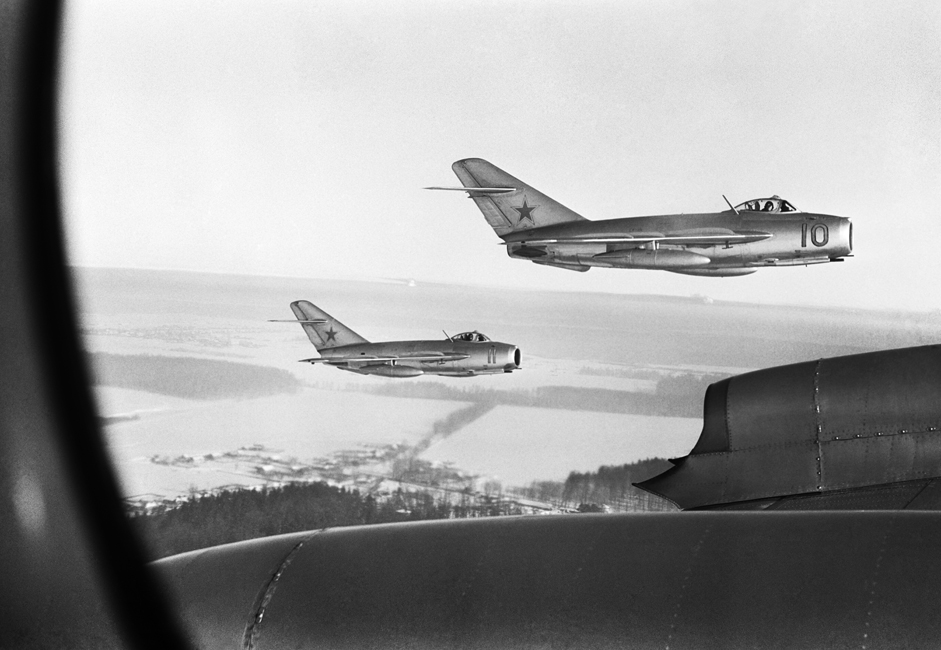
    When the Soviet-built MiG-15 appeared in late 1950, everything changed.

    With swept wings, a pressurized cockpit, and a powerful jet engine, the MiG could climb higher, fly faster, and turn tighter than anything the U.N. forces had seen before.

    It could reach speeds of almost 670 miles per hour and operate at altitudes above 50,000 feet — well beyond the reach of older aircraft.

    For a while, the skies over North Korea belonged to the enemy.


    Enter the F-86 Sabre: America’s Answer

    The U.S. needed something to match the MiG — and fast.

    Enter the North American F-86 Sabre, one of the most advanced fighter jets of its time.

    It had swept wings like the MiG, radar-assisted gunsights, and powerful .50 caliber machine guns.

    But the Sabre’s real strength wasn’t just speed — it was stability and precision.
    At high speeds, it was easier to control than the MiG, giving American pilots an edge in tight maneuvers.

    When the Sabre took to the skies in late 1950, the stage was set for a clash unlike any before.


    MiG Alley: The Deadliest Airspace on Earth

    The battles took place over a stretch of northwestern Korea along the Yalu River, near the Chinese border.

    The area soon earned a name whispered with respect and fear — MiG Alley.

    It became the hunting ground of the USAF’s 4th Fighter Interceptor Wing and the Soviet 64th Fighter Aviation Corps.

    American pilots were told to stay south of the Yalu to avoid provoking China or the USSR, but MiGs would swoop down from the north, strike, and retreat across the river to safety.

    The result?
    A daily aerial chess match between two of the most advanced fighter forces on the planet.


    The Men Behind the Machines

    The dogfights of MiG Alley weren’t just about machines — they were about the men who flew them.

    U.S. pilots were veterans of World War II — experienced, disciplined, and aggressive.
    They called themselves the “Sabre Men.”

    Their Soviet opponents were equally skilled, though officially “volunteers.”
    They wore Chinese or North Korean uniforms, flew aircraft with red star insignias, and operated under strict secrecy.

    Among them was Soviet ace Nikolai Sutyagin, who scored 22 kills — one of the highest of the war.
    On the American side, Captain Joseph McConnell became the top U.S. ace with 16 victories.

    These pilots lived by the second — and often died by it.


    Dogfighting at the Speed of Sound

    Air combat over MiG Alley was brutal and fast.
    A pilot had less than a few seconds to spot, target, and fire before the enemy disappeared into a blur.

    The F-86 Sabre’s advanced gyro gunsight gave it an edge — it predicted enemy movement, helping pilots lead their shots.

    But the MiG-15 had superior climb and altitude performance, often using “boom and zoom” tactics — diving from above, firing, and escaping skyward.

    The result was a deadly dance of angles and velocity.

    At these speeds, every decision was instinct.
    Every mistake, fatal.

    As one Sabre pilot later said:

    “You didn’t fight the MiG. You fought the man flying it.”


    The Shadow War: Soviets in the Sky

    Officially, the Soviet Union never fought in the Korean War.
    Unofficially, they were deeply involved.

    From late 1950 onward, Soviet pilots secretly flew hundreds of missions from air bases in Manchuria.

    Their jets carried North Korean or Chinese markings, and radio operators spoke in broken Korean to maintain the illusion.

    But American pilots weren’t fooled.

    Intercepted radio chatter and combat reports revealed that many of the MiG pilots spoke perfect Russian — and fought with precision far beyond what North Korea could train.

    In truth, MiG Alley had become the first direct aerial clash between American and Soviet pilots — the Cold War’s hidden front.


    Tactics and Technology: The Future Takes Shape

    The duels in MiG Alley changed air combat forever.

    Fighter tactics evolved from turning dogfights to energy warfare — controlling altitude, speed, and position to gain the advantage.

    The concept of the “kill zone” — a cone of fire extending from a jet’s nose — became the standard in aerial gunnery.

    New innovations also emerged:

    • Radar control and early warning systems to guide intercepts.
    • Mid-air refueling to extend range.
    • Jet training schools focused on energy management and teamwork.

    The lessons learned over MiG Alley would shape every air force in the world for decades to come.


    Life and Death in the Cockpit

    Behind every dogfight was a young man pushing the limits of fear and physics.

    Sabre pilots often flew two or three missions a day, facing freezing altitudes and crushing G-forces.
    Cockpits were cramped, noisy, and dangerous.

    When hit, a pilot had seconds to eject — hoping his chute opened before the ground reached him.

    If captured in North Korea, his fate was uncertain.

    But despite the risks, pilots volunteered in droves. The skies over MiG Alley became the ultimate test of skill, courage, and endurance.


    The Numbers: Victory and Controversy

    Official U.S. Air Force records claimed 792 MiGs destroyed for 78 Sabres lost — a stunning 10-to-1 kill ratio.

    Soviet records, however, told a different story, claiming 600 U.N. aircraft destroyed for 335 MiG losses.

    The truth likely lies somewhere in between.

    But what’s undisputed is this — the F-86 Sabre dominated the skies in the war’s later years, and MiG Alley became the proving ground for the modern fighter jet.


    Legacy: The Jet Age Is Born

    When the Korean War ended in 1953, MiG Alley faded into history — but its influence did not.

    The dogfights there were the prototype for modern air combat: radar-guided missiles, supersonic speeds, and electronic warfare.

    Many of the pilots who fought there would go on to shape the Cold War’s air strategy, train new generations of aviators, and even fly in Vietnam.

    And the lessons learned — about technology, adaptability, and pilot psychology — still guide air combat training today.

    As aviation historian Walter Boyne wrote:

    “MiG Alley was where the jet age was baptized by fire.”


    Conclusion: The Battle Above the Yalu

    MiG Alley wasn’t just a stretch of sky — it was the dawn of a new era.

    In that cold, thin air, the world saw what war in the modern age would look like: faster, deadlier, and fought with machines that left no room for error.

    It was a clash of ideologies, nations, and nerves.

    And for the men who fought there, it was the place where courage met speed — and history took flight.

    Cited Sources

    • Boyne, Walter J. MiG Alley: The Fight for Air Superiority. Smithsonian Books, 2000.
    • Thompson, Warren. F-86 Sabre vs MiG-15: Korea 1950–53. Osprey Publishing, 2010.
    • Futrell, Robert F. The United States Air Force in Korea, 1950–1953. U.S. Air Force Historical Study, 1983.
    • Werrell, Kenneth P. Sabres Over MiG Alley. Naval Institute Press, 2005.
    • National Museum of the United States Air Force Archives.
  • The Secret Fuel Lines of D-Day: How the PLUTO Pipeline Powered Victory

    The Secret Fuel Lines of D-Day: How the PLUTO Pipeline Powered Victory


    The Hidden Lifeline of War

    When most people picture D-Day, they imagine soldiers storming the beaches of Normandy, tanks rolling inland, and aircraft flying overhead.
    But few realize that victory didn’t just depend on courage — it depended on fuel.

    The Allied invasion of Europe wasn’t just an army on the move — it was a machine that needed constant feeding.
    Every tank, truck, and plane ran on fuel. Without it, even the most powerful military would grind to a halt.

    The problem was simple: how could the Allies supply millions of gallons of fuel to France without relying on vulnerable tankers?

    The answer was a bold idea that sounded almost impossible:

    “Let’s build a fuel pipeline… under the ocean.”

    They called it PLUTO — short for Pipeline Under the Ocean — and it became one of the greatest engineering secrets of World War II.


    Operation PLUTO: Churchill’s Daring Idea

    The concept came directly from Winston Churchill’s obsession with logistics.
    He understood that the success of the Normandy invasion wouldn’t just depend on firepower, but on supply.

    In 1942, British scientists and engineers were tasked with developing a submarine pipeline system capable of pumping fuel across the English Channel — directly from Britain to the advancing armies in France.

    It was an idea ahead of its time — blending engineering, innovation, and secrecy.

    To the world, PLUTO was a myth. To the Allies, it was their hidden artery of war.


    Building the Impossible: The Engineering Challenge

    The English Channel is no calm pond. It’s a rough, deep, unpredictable stretch of water with tides, storms, and enemy submarines.
    Building a fuel pipeline beneath it in 1944 seemed absurd — yet the Allies refused to give up.

    Two main designs were created:

    1. The HAIS Cable
      • Developed by British engineer H.A. Hammick and Siemens Brothers.
      • It looked like a giant undersea electrical cable.
      • Layers of lead, steel, and asphalt protected the inner rubber hose.
      • Could pump up to 700 gallons per hour.
    2. The HAMEL Pipe
      • A steel pipeline coiled around huge floating drums called Conundrums (because of their strange shape).
      • These drums were towed by ships across the Channel, unspooling the pipe as they moved.
      • Each section stretched over 30 miles long.

    The pipelines were designed to connect Britain’s fuel depots — mainly on the Isle of Wight — to the beaches of Normandy after D-Day.


    Operation Fortitude: Secrecy at All Costs

    Everything about PLUTO was top secret.
    It was so secret, in fact, that many of the workers laying the pipes didn’t know what they were for.

    The operation was protected under the larger deception effort known as Operation Fortitude, which created fake armies and invasion plans to confuse the Germans.

    Code names were given to every part of the project:

    • BAMBI – the route from the Isle of Wight to Cherbourg.
    • DUMBO – the route from Dungeness to Boulogne.

    Even the word pipeline was never used in official communication. Engineers spoke of “cables,” “lines,” or “special conduits.”

    Churchill personally followed the project’s progress and called it “one of the most daring engineering adventures of the war.”


    Launch Day: The Pipeline Goes to War

    The first PLUTO line — BAMBI — was laid in August 1944.
    It stretched over 50 miles under the English Channel, from the Isle of Wight to Cherbourg in France.

    Ships slowly towed the massive Conundrums, releasing the pipeline as they went.
    Each drum weighed more than 250 tons and carried over 30 miles of coiled steel pipe.

    The first attempt failed — the pipe snapped under pressure from the waves.
    But the engineers adapted, strengthened the design, and tried again.
    By September 1944, fuel was successfully flowing under the sea — from Britain straight to the heart of Europe.

    By the end of the operation, 21 pipelines were laid across the Channel.


    Feeding the Front: The Lifeblood of Victory

    The PLUTO network supplied the advancing Allied armies with over 180 million gallons of fuel by the end of the war.

    That’s enough to:

    • Power 1 million tanks,
    • Fly thousands of fighter missions,
    • Or fuel every vehicle used in the liberation of France.

    At its peak, the system delivered one million gallons per day, quietly and safely beneath the waves.

    Unlike oil tankers — which could be sunk by German U-boats — PLUTO was invisible, invulnerable, and unstoppable.

    The success of PLUTO meant the Allies could maintain their momentum all the way from Normandy to Berlin — without ever running dry.


    Innovation Under Fire

    The PLUTO project pushed the limits of wartime engineering.

    • Underwater welding and pressure testing techniques pioneered for PLUTO laid the foundation for modern offshore pipelines.
    • The Conundrum spools became the model for future deep-sea cable laying systems.
    • The entire operation showed that logistics could win wars just as much as combat.

    As historian Basil Liddell Hart once said:

    “Victory in war is not gained by the brilliance of strategy, but by the strength of supply.”

    PLUTO proved that statement beyond doubt.


    Human Stories: The Engineers Who Made It Happen

    Thousands of workers, scientists, and soldiers contributed to PLUTO — often without knowing the full scale of what they were building.

    • Geoffrey Lloyd, the British Petroleum Minister, coordinated resources across secret government departments.
    • Lord Louis Mountbatten supported the project as part of Combined Operations.
    • Civilians from oil companies, telecom firms, and steel factories all played roles in fabricating the components.

    At one point, British street lamps were dismantled to recover the copper needed for pipeline wiring.

    The project blurred the line between civilian industry and military necessity — a hallmark of total war.


    Challenges and Failures Along the Way

    PLUTO was not without its problems.

    • Some of the early lines broke due to ocean pressure and seabed movement.
    • The BAMBI line delivered less fuel than expected due to technical issues.
    • The DUMBO line required constant maintenance as Allied forces advanced inland.

    Yet the psychological and strategic value of PLUTO was enormous.
    It gave Allied commanders confidence that their supply lines could stretch across the Channel — a vital factor in maintaining the offensive.

    By early 1945, PLUTO had proven itself indispensable.


    Aftermath and Legacy

    When the war ended, the pipelines were no longer needed — but their legacy was just beginning.

    The PLUTO project inspired:

    • Modern underwater oil and gas pipelines.
    • Transatlantic communication cables.
    • Offshore energy infrastructure.

    In peacetime, the same technology that fueled tanks would later fuel economies.

    Today, remnants of PLUTO can still be seen along the coastlines of Britain and France.
    Museums at Sandown and Arromanches preserve sections of the original pipes, and visitors can still trace the routes once known only to wartime engineers.

  • 🇨🇺 How Cuba Survived 70 Years Against All Odds: A Story of Strategy, Survival, and Soft Power

    🇨🇺 How Cuba Survived 70 Years Against All Odds: A Story of Strategy, Survival, and Soft Power

    Introduction: The Island That Refuses to Fall

    For more than 70 years, Cuba has stood as one of the world’s biggest political mysteries.


    How can a small island, just 90 miles off the coast of the United States — the most powerful nation in history — survive decades of sanctions, diplomatic isolation, economic collapse, and even the fall of its main ally, the Soviet Union?

    Most countries in Cuba’s position would have collapsed long ago. Yet Cuba is still standing, still defiant, and still a player in global politics.

    This blog takes you on a journey into how Cuba survived, from Fidel Castro’s revolution in 1959 to today’s modern challenges. We’ll break it down into simple, clear lessons on strategy, resilience, and soft power — lessons that bigger nations sometimes forget.


    Part 1: The Cuban Revolution and the Roots of Survival

    A Small Island, A Big Revolution

    In 1959, Fidel Castro and his revolutionaries overthrew the U.S.-backed dictator Fulgencio Batista. What followed was not just a change in government but a complete transformation of Cuban society.

    • Land reforms gave property to peasants.
    • Literacy campaigns made education free and widespread.
    • Healthcare became universal.

    But most importantly, Cuba aligned itself with the Soviet Union, entering the Cold War as the West’s tropical enemy.

    Survival Lesson 1: Turn Weakness into Strength

    Cuba couldn’t fight the U.S. head-on. Instead, Castro made Cuba valuable to the Soviet Union, which protected it in exchange for a communist ally near America’s shores. This gave Cuba breathing room to build its new identity.


    Part 2: The Bay of Pigs and the Cuban Missile Crisis

    The Failed Invasion

    In 1961, the U.S. launched the Bay of Pigs invasion, hoping to overthrow Castro using Cuban exiles. The invasion failed miserably. This was a psychological victory for Cuba — David had stood up to Goliath.

    The World on the Edge

    One year later, in 1962, the Cuban Missile Crisis brought the world to the brink of nuclear war. The Soviets placed nuclear missiles in Cuba, and the U.S. responded with a naval blockade.

    In the end, the missiles were removed, but Cuba emerged with something priceless:

    • Global recognition as a player in world politics.
    • A reputation for standing up to America.

    Survival Lesson 2: Symbolism is Power

    Even when outgunned, Cuba learned that symbolic victories matter. By showing defiance, it built an image that rallied supporters across Latin America, Africa, and beyond.


    Part 3: Life Under Sanctions

    For decades, the U.S. has maintained an economic embargo against Cuba. This meant no free trade with its closest and richest neighbor. Most economies would collapse under such pressure.

    So how did Cuba survive?

    The Sugar-for-Oil Deal

    The Soviet Union bought Cuban sugar at high prices and sold oil to Cuba cheaply. This deal kept Cuba afloat throughout the Cold War.

    Soft Power in Medicine

    Cuba invested heavily in healthcare and trained thousands of doctors. Later, it exported medical professionals to other countries in exchange for money, oil, or political support. Even today, Cuban doctors are deployed worldwide, building goodwill.

    Culture as Diplomacy

    From salsa music to Cuban baseball players, culture became a soft power tool. Despite sanctions, Cuban art and sport traveled the world, keeping the island relevant and admired.

    Survival Lesson 3: Adapt and Diversify

    Cuba showed that survival is not just about armies and weapons. Culture, healthcare, and diplomacy can be as powerful as military strength.


    Part 4: The “Special Period” After the USSR Collapse

    When the Soviet Union collapsed in 1991, Cuba lost its main economic lifeline. Suddenly, the island was on its own. This period is known as the Special Period — and it nearly broke Cuba.

    • Oil imports dropped by 70%.
    • Food shortages were everywhere.
    • People rode bicycles instead of cars due to lack of fuel.

    But Cuba adapted creatively:

    • It shifted to organic farming to deal with fertilizer shortages.
    • It opened limited tourism to bring in foreign currency.
    • It relied on remittances from Cubans abroad.

    Survival Lesson 4: Resilience is Innovation

    Instead of collapsing, Cuba showed resilience by changing its economy, even if painfully. Survival meant bending, not breaking.


    Part 5: Exporting Revolution

    Cuba didn’t just play defense. It also exported revolution:

    • Supported African liberation movements (Angola, Mozambique).
    • Sent doctors, teachers, and soldiers abroad.
    • Became a symbol of resistance for leftist movements in Latin America.

    Even though Cuba was small, this made it a global influencer, far larger than its size suggested.

    Survival Lesson 5: Influence Can Outweigh Size

    By projecting influence abroad, Cuba made itself too significant to ignore — a strategy small nations can copy.


    Part 6: Cuba and the 21st Century

    The Digital Age

    In recent years, Cuba has faced new challenges:

    • Struggling economy due to ongoing sanctions.
    • Protests over lack of food and freedom.
    • Younger generations less loyal to revolutionary ideals.

    But it also gained new opportunities:

    • Tourism (before COVID) became a major income source.
    • Relationships with countries like Venezuela, Russia, and China helped balance U.S. pressure.
    • Cultural exports like music (think reggaeton) kept Cuban identity strong worldwide.

    Obama’s Opening, Trump’s Reversal, Biden’s Balance

    • In 2016, President Obama visited Cuba, the first U.S. president to do so in 88 years. There was hope for a new era.
    • Under Trump, restrictions returned.
    • Biden has kept a cautious middle ground.

    Cuba remains in limbo, surviving but struggling.


    Part 7: The Core Pillars of Cuba’s Survival Strategy

    Let’s summarize Cuba’s playbook for survival:

    1. Deterrence through Symbolism → Standing up to the U.S. gave it legendary status.
    2. Strategic Alliances → Soviet Union yesterday, Venezuela and Russia today.
    3. Soft Power Exports → Doctors, music, sports, and culture spread influence.
    4. Resilience through Adaptation → Organic farming, tourism, remittances.
    5. Control of the Narrative → The Cuban government shaped its story as one of resistance and independence.

    Conclusion: The Island That Teaches Strategy

    Cuba is not a superpower. It’s not rich. It’s not technologically advanced. Yet it has survived for more than 70 years against incredible odds.

    Its survival is not luck — it’s strategy. Symbolism, alliances, culture, and resilience are its weapons.

    For small states around the world, Cuba proves that survival is possible even when facing a giant. For bigger powers, it’s a reminder that raw strength doesn’t guarantee victory if the opponent knows how to survive smartly.

  • 🇰🇵 North Korea: Survival Through Strategy in the 21st Century

    🇰🇵 North Korea: Survival Through Strategy in the 21st Century

    Introduction

    North Korea (the DPRK) often makes headlines for its nuclear tests, missile launches, and fiery rhetoric. Yet, beneath the theatrics lies one of the most sophisticated survival strategies in modern geopolitics. Despite being isolated, sanctioned, and resource-poor, the DPRK has survived for over 70 years against vastly more powerful adversaries. This raises an important question: how does the regime endure?

    The answer lies in its unique blend of military deterrence, asymmetric tactics, and psychological control — making North Korea a case study in how small states can resist great powers.


    1. Nuclear Weapons: The Ultimate Insurance Policy

    • North Korea’s nuclear arsenal is the cornerstone of regime survival.
    • Unlike conventional weapons, nukes deter not only invasion but also regime change operations like those seen in Iraq and Libya.
    • For Pyongyang, denuclearization is existential; giving up nukes would remove its strongest bargaining chip.
    • With advances in ICBM technology capable of reaching the U.S. mainland, North Korea ensures it cannot be ignored on the world stage.

    2. Asymmetric Warfare Capabilities

    North Korea cannot outmatch the U.S. or South Korea conventionally, so it invests in asymmetry:

    • Missiles & Artillery: Thousands of artillery pieces positioned to devastate Seoul in hours.
    • Cyber Warfare: The Lazarus Group, blamed for bank heists, ransomware (WannaCry), and crypto thefts worth billions. Cyber operations serve both fundraising and disruption.
    • Special Forces: Estimated at over 200,000 troops, trained for infiltration, guerrilla warfare, and sabotage.
    • Chemical & Biological Weapons: Though unconfirmed, widely suspected to be stockpiled as part of deterrence.

    3. Information Control: The Hermit Firewall

    • Domestically, the regime maintains total information dominance through propaganda and surveillance.
    • Externally, it weaponizes information through threats, staged diplomacy, and timed provocations.
    • The regime masters the art of the “calibrated crisis”: escalate tensions to extract concessions, then de-escalate to secure aid.

    4. Diplomacy as Theater

    • North Korea treats diplomacy as an extension of psychological warfare.
    • Engagements with the U.S., China, and South Korea are choreographed to create leverage rather than achieve reconciliation.
    • Example: The 2018 Trump-Kim summits — historic in optics, limited in substance, but strategically useful for Pyongyang.

    5. Economic Survival Through Illicit Networks

    Sanctions have crippled formal trade, but the DPRK has adapted:

    • Shadow Tanker Fleets to smuggle oil.
    • Arms Sales to African and Middle Eastern states.
    • Crypto Theft & Mining as a major revenue stream.
    • China as Lifeline: Despite sanctions, China provides food, fuel, and trade, ensuring Pyongyang doesn’t collapse.

    6. Regional Dynamics: Playing Giants Against Each Other

    • China: Sees North Korea as a buffer state against U.S. forces in South Korea.
    • Russia: Increasingly aligns with Pyongyang to counter Western sanctions, exchanging oil, arms, and political cover.
    • South Korea & the U.S.: Trapped between deterrence and escalation risks.
    • Pyongyang’s genius lies in exploiting rivalries between great powers to avoid isolation.

    7. Future Scenarios

    1. Status Quo Survival → Nuclear-armed, sanctions in place, periodic crises.
    2. China-Russia Axis → Closer alignment with Beijing and Moscow as U.S. rivalry intensifies.
    3. Sudden Collapse → Triggered by internal instability (though less likely due to regime control).
    4. Nuclear Normalization → The world accepts North Korea as a permanent nuclear power, shifting focus to containment rather than denuclearization.

    Conclusion

    North Korea is often portrayed as irrational or erratic, but its survival proves the opposite: the regime is rational within its own framework. By blending nuclear deterrence, asymmetric warfare, information control, and cunning diplomacy, Pyongyang has turned weakness into strength.

    For policymakers, ignoring the DPRK is impossible — it is a small state with outsized strategic impact. For strategists, North Korea serves as a reminder that in the 21st century, survival is not about resources or allies alone, but about mastering the art of asymmetry and narrative control.

  • Al Jazeera and the Power of the Narrative: Media as a Strategic Weapon

    Al Jazeera and the Power of the Narrative: Media as a Strategic Weapon

    Introduction

    In the age of information, media outlets have become more than platforms for news — they are tools of influence, diplomacy, and even warfare. Al Jazeera, the Qatar-based broadcaster, is one of the clearest examples of how a small state can wield disproportionate global power through media.

    By shaping narratives across the Arab world and beyond, Al Jazeera has transformed into Doha’s most powerful strategic asset.


    Origins and Evolution

    • Founded in 1996 with funding from Qatar’s Emir, Sheikh Hamad bin Khalifa Al Thani.
    • Originally staffed by ex-BBC Arabic journalists, giving it credibility and professionalism from the outset.
    • Positioned as the first independent Arab news channel, breaking with the region’s state-controlled media culture.

    Regional Influence (Arab World)

    1. Breaking Taboos
      • Al Jazeera aired debates on democracy, corruption, women’s rights, and authoritarianism — topics avoided by most Arab networks.
      • By doing so, it influenced Arab public opinion and pressured regional regimes.
    2. The Arab Spring (2011)
      • Al Jazeera’s wall-to-wall coverage of protests in Tunisia, Egypt, and Libya magnified the revolutions.
      • It became the voice of the Arab street, accelerating regime changes and unsettling Gulf monarchies (except Qatar).
    3. Soft Power Projection
      • For Qatar, hosting Al Jazeera meant controlling the megaphone of the Arab world.
      • Doha leveraged this influence to punch above its weight diplomatically, despite its small size.

    Global Influence (Al Jazeera English)

    • Launched in 2006, Al Jazeera English expanded Qatar’s reach to Western and Global South audiences.
    • Promoted narratives critical of U.S. foreign policy, the Iraq War, and Western double standards.
    • Established credibility in Africa, Asia, and Latin America as a counterweight to CNN and BBC.

    🪖 Al Jazeera as a Strategic Weapon

    1. Information Warfare
      • During the Iraq War (2003), Al Jazeera broadcast images of U.S. casualties, undermining the Pentagon’s message of a “clean war.”
      • Western governments accused it of spreading insurgent propaganda, while Arab viewers praised its uncensored reporting.
    2. Diplomatic Shield
      • Al Jazeera gave Qatar leverage against bigger neighbors (Saudi Arabia, UAE).
      • When Gulf states blockaded Qatar in 2017, one of their key demands was the shutdown of Al Jazeera.
    3. Narrative Shaping
      • Frames Qatar as a progressive, independent mediator.
      • Simultaneously undermines rival powers by highlighting their repression or foreign policy failures.

    Criticisms and Double Standards

    • While presenting itself as independent, Al Jazeera avoids serious criticism of Qatar’s monarchy.
    • Accused of being a megaphone for Doha’s foreign policy, especially during regional disputes (e.g., coverage favoring Islamist groups during the Arab Spring).
    • Western critics see it as a soft-power arm of Qatari strategy, not true independent journalism.

    Soft Power Lessons from Al Jazeera

    1. Small States, Big Influence → Even without a large military, media can give global leverage.
    2. Narrative Control Matters → By telling stories others avoid, Al Jazeera shaped public opinion and policy debates.
    3. Soft Power as Deterrence → Qatar’s “media shield” helped it survive geopolitical isolation, as silencing Al Jazeera would cause global backlash.
    4. Weaponized Credibility → By winning trust as a news source, it could insert Doha’s strategic narratives subtly, without appearing overtly propagandistic.

    Conclusion

    Al Jazeera demonstrates that influence in the information age is not about size but reach.

    Qatar’s flagship network is more than a news outlet — it is a strategic instrument of national power, capable of shaping discourse, undermining rivals, and amplifying Doha’s role on the global stage. In many ways, Al Jazeera is Qatar’s aircraft carrier: not made of steel, but of stories

  • How Infrastructure Collapse Shapes Modern Wars: Lessons from Syria

    How Infrastructure Collapse Shapes Modern Wars: Lessons from Syria

    1. The Broken Backbone of a Nation

    Once a hub of Levantine commerce and agriculture, Syria’s infrastructure now barely functions.

    • Electricity: Only about 30–35% of the country’s demand is met. Rolling blackouts cripple businesses and daily life. Generators keep cities running, but fuel imports from Iran are the lifeline.
    • Water Systems: Rivers and aquifers have been decimated. The Euphrates, controlled upstream by Turkey’s dam projects, delivers far less water than before, turning scarcity into a political weapon.
    • Transport & Industry: Roads and railways are cracked, mined, or destroyed. Oil-rich northeast fields remain contested by Kurdish groups with U.S. backing. Ports like Latakia and Tartus function, but they are tightly controlled by Russia.
    • Healthcare & Urban Systems: Hospitals operate at half capacity, medicines are scarce, and urban sanitation lags far behind. Sanctions and corruption ensure reconstruction crawls forward at a snail’s pace.

    Infrastructure isn’t just about roads and power. It is about who controls the lifelines of society. In Syria, these lifelines are foreign-owned, militarized, or deliberately left broken.


    2. Infrastructure as a Weapon of War

    Syria demonstrates how infrastructure itself has become a weapon of war. Destroying it weakens the state, and controlling it extends power without firing a single shot.

    • Dependency as Strategy: Assad cannot keep the lights on without Iranian fuel and Russian engineers. This ensures loyalty.
    • Migration as Leverage: With infrastructure broken, millions of Syrians will remain displaced. Refugees become political bargaining chips for Turkey and a pressure point on Europe.
    • Selective Reconstruction: Foreign powers aren’t rebuilding Syria — they’re selectively repairing what benefits them. Ports, oil fields, and transport corridors tied to military or trade networks are priorities, while cities remain rubble.

    In this sense, Syria is no longer a sovereign nation — it’s a patchwork of zones of influence defined by infrastructure chokeholds.


    3. The New Power Map of Syria

    To understand Syria’s future, we must understand who controls what.

    • Russia – Holds naval dominance at Tartus and airpower at Latakia, cementing its presence in the Mediterranean. Manages key energy projects that ensure Assad’s survival.
    • Iran – Supplies fuel and power, builds proxy networks near Damascus, and establishes supply chains to Hezbollah in Lebanon.
    • Turkey – Controls the north through proxy militias, manipulates water flow from Euphrates dams, and uses refugee camps as leverage against Europe.
    • China – Quietly scouting investment opportunities under the Belt & Road Initiative, waiting for the right geopolitical window to enter reconstruction markets.
    • United States / Europe – Maintain sanctions (the Caesar Act being the most biting) to deny Assad international legitimacy. U.S. forces remain in Kurdish zones, guarding oil fields and constraining both Assad and Iran.

    This makes Syria a living example of hybrid sovereignty: each major power holds a piece of the infrastructure puzzle, ensuring no single actor dominates completely.


    4. Military Lessons from Syria’s Collapse

    For defense planners, Syria is not just a tragedy — it’s a case study in modern warfare.

    • Urban Fragility: Cities are easy to destroy, but nearly impossible to rebuild under sanctions and fractured governance. A destroyed city becomes a long-term vulnerability.
    • Infrastructure as Deterrence: By targeting or denying reconstruction, external powers create permanent instability — making sure Syria remains weak and dependent.
    • Hybrid Control: Armies now compete less for land and more for infrastructure nodes — ports, water dams, oil wells, power stations. Whoever owns these nodes owns the country.
    • Proxy Integration: Foreign powers no longer need to occupy land directly. Instead, they integrate local militias with control of infrastructure to lock in influence for decades.

    5. What Syria Teaches Us About Geopolitics

    Syria’s tragedy offers bigger lessons for the 21st century:

    • Infrastructure is the new battlefield. Wars no longer end when guns go silent — they continue in the rebuilding (or non-rebuilding) phase.
    • Sanctions reshape power maps. By blocking Western investment, sanctions unintentionally hand over Syria’s reconstruction to Russia, Iran, and China.
    • Refugees as permanent leverage. The broken infrastructure ensures millions will never return, giving Turkey and neighboring states a strategic bargaining chip with Europe.
    • Fragmented sovereignty is the new norm. Syria will remain a state on the map, but in reality it is four different countries stitched together under Assad’s flag.

    6. The Road Ahead (2025–2035)

    Looking forward, Syria is unlikely to recover its pre-war strength. Instead:

    • BRI Entrenchment: Expect China to slowly step into the vacuum, offering long-term infrastructure contracts as leverage.
    • Flashpoints Ahead: Any shift in U.S. support for Kurdish zones, an Israeli-Iranian clash on Syrian soil, or a water crisis with Turkey could ignite new conflict cycles.
    • Frozen Conflict Model: Like Libya or Ukraine’s Donbas pre-2022, Syria will serve as a permanent zone of tension — not a solved conflict, but a managed instability.

    Final Takeaway

    Syria is no longer just a battleground of armies — it is a laboratory of hybrid warfare, where roads, dams, and power stations matter more than tanks. Its crippled infrastructure ensures that no single power can dominate outright, but it also ensures millions of Syrians remain trapped in hardship.

    For strategists, Syria teaches one sobering lesson: in modern warfare, infrastructure isn’t just collateral damage — it is the battlefield itself.