
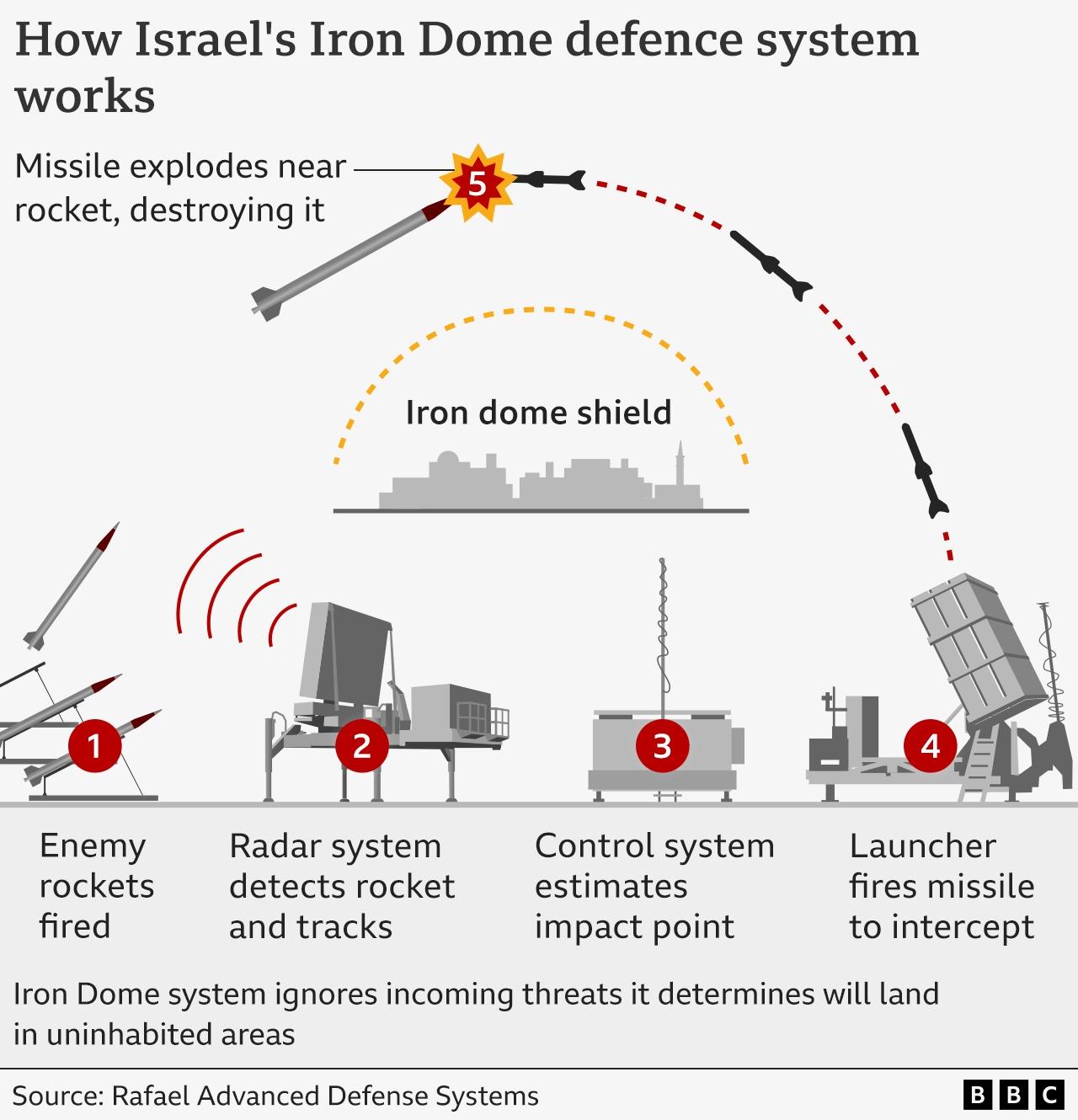
The Famous Iron Dome Firing.
The costly albeit effective Iron Dome system implemented in 2011 has protected Israel for the past 14 years, with each battery approximately costing between $50 to $80 million it is generally accepted that the strategy for its unfriendly neighbours over Israel is constant attrition.
With each cheap $500 Qassam Rocket or Shahed drone getting hurled at Israel getting met with a $50,000 Tamir missile, Israel is imposed with a cost efficiency dilemma. How is it being solved?
So far, U.S co-funding (over $5B since 2011), prioritising interception (to conserve missiles) and increased integration with the David’s Sling and arrow system has assisted in absorbing the costs associated to defend the population of almost 10 million.
Effectiveness In Conflicts
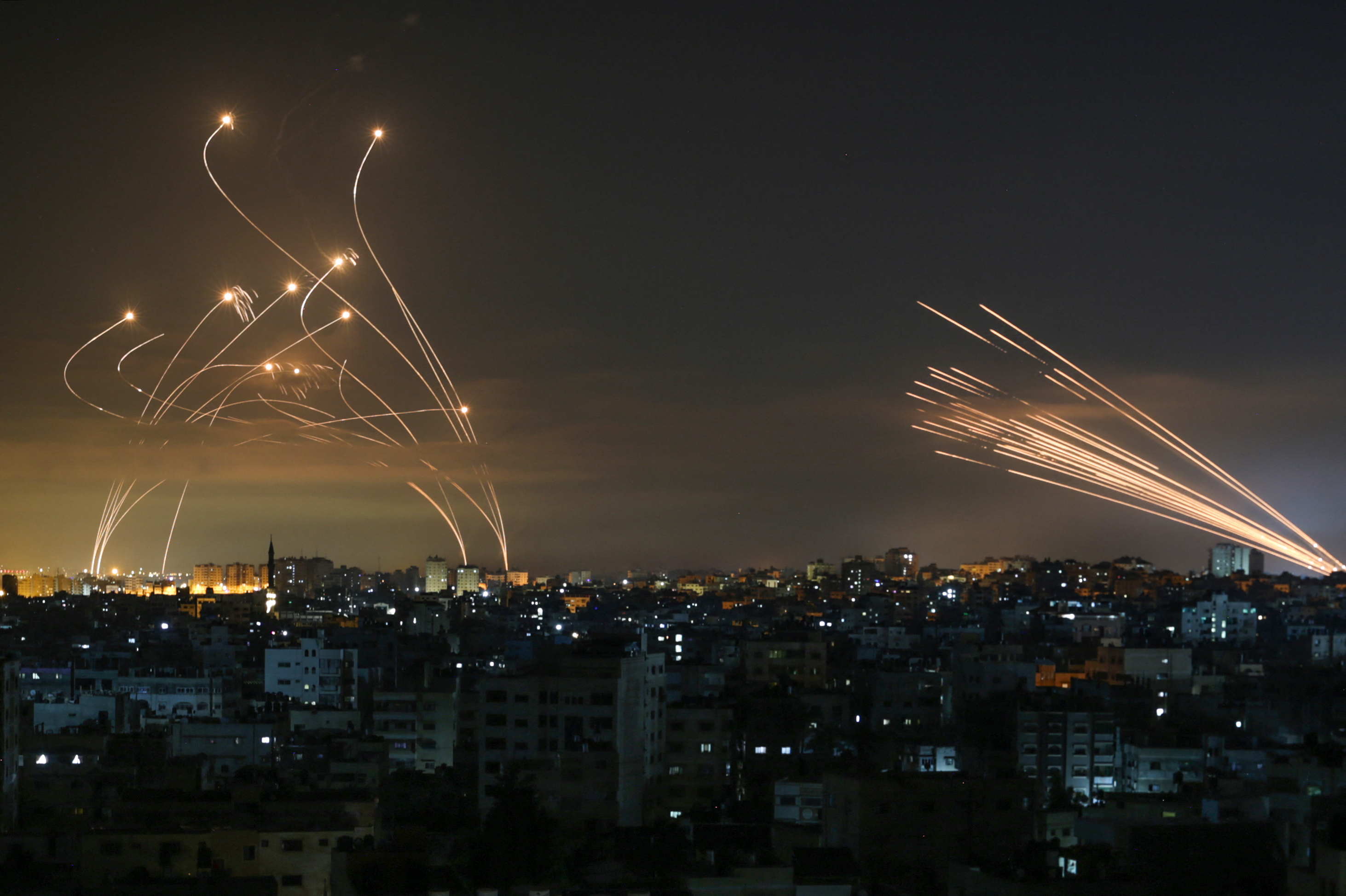
Key Tests in the Gaza Conflicts from (2012, 2014, 2021, 2023, 2024), May 2021 saw 4,000+ rockets fired, with a claimed ~90% interception rate. Given footages, it is clear that the system works however nothing is foolproof and some missiles still do make it through causing damage to civilian infrastructure and potential damage to key military installations however that it is strictly censored due its sensitivity.
That does not mean it is a futile effort, by having the system implemented the strategic value for Israel has been proven so far.
The prevention civilian casualties has been the first and foremost reason on the weapons system being created. Civilians are the backbone of any country’s economy, defence and offence. With Israel’s high conscription rate, every citizen is a asset to the country.
Every casualty as a result of the Iron Dome system failing is one loss towards compounded knowledge that the person may have had and perhaps decades of experience which for a country with a specialised workforce is an extreme price to pay for which Israel chose to prevent with the Iron Dome System.
Forward Strategy: Future Developments & Alternatives

Images from the “Iron Beam”
Israel is currently undergoing testing and possibly live testing on its Iron Beam system. With a supposed cost to fire of just US$3 per intercept, implementation of this weapons system slated to be in service in the later parts of this year. This could solve the cost efficiency dilemma and pour funds from the Tamir system towards other systems and R&D.
Laser guided systems are potentially a new way countries are able to protect against the new age of drone warfare. With the U.S Navy’s HELIOS (High Energy Laser with Integrated Optical Dazzler and Surveillance) being deployed and tested for use against drone targets, this is a topic in which I wish to delve in deeper in future blog posts.
Thank you for taking the time to read my first blog post! My blog may be not be as optimised for now but il get to the hang of it!
Disclaimer: I am not a professional, all my writings are my own personal opinion. Nothing I say should be taken as financial advice.
 Vellum Insights
Leave a comment